完全入試ガイド

History of Art at Cambridge — Admissions Guide 2027

Cambridgeへの当塾生徒の合格率

65%

Cambridgeの平均合格率

21%

History of Art(University of Cambridge)出願に必要なすべて:出願要件・面接・典型オファーとCambridge卒業生によるインサイダーアドバイス。

最終更新: 2026年5月

主要情報

  • A*AA典型オファー
  • 3:1志願者 / 定員
  • #1UK順位
  • 35定員(年)
  • V350UCAS コード

概要

コース概要

Cambridge History of Art (UCAS V350) is a 3-year BA requiring A*AA at A Level or 41–42 IB points with 776 at Higher Level. For 2027 entry there is no admissions test or portfolio; assessment rests on academic record, interview performance, personal statement, reference and any College-requested written work.

なぜCambridgeでHistory of Artを?

Cambridge displays History of Art as #1 in the Complete University Guide 2026 on the official course page. Rankings differ by table: the also records Cambridge as #3 in the Guardian UK subject table, while several peer rows remain partial because not all public ranking rows were independently verifiable during the audit.

A university lecture hall from the back, students taking notes

Section 01

国際学生の出願

下のマップで自国をクリックすると、出願に必要な情報(受け入れられる資格、要求スコア、英語要件、現地の文脈)が表示されます。

International Applicants

Country-specific admissions requirements

FijiTanzaniaW. SaharaCanadaUnited States of AmericaKazakhstanUzbekistanPapua New GuineaIndonesiaArgentinaChileDem. Rep. CongoSomaliaKenyaSudanChadHaitiDominican Rep.RussiaBahamasFalkland Is.NorwayGreenlandFr. S. Antarctic LandsTimor-LesteSouth AfricaLesothoMexicoUruguayBrazilBoliviaPeruColombiaPanamaCosta RicaNicaraguaHondurasEl SalvadorGuatemalaBelizeVenezuelaGuyanaSurinameFranceEcuadorPuerto RicoJamaicaCubaZimbabweBotswanaNamibiaSenegalMaliMauritaniaBeninNigerNigeriaCameroonTogoGhanaCôte d'IvoireGuineaGuinea-BissauLiberiaSierra LeoneBurkina FasoCentral African Rep.CongoGabonEq. GuineaZambiaMalawiMozambiqueeSwatiniAngolaBurundiIsraelLebanonMadagascarPalestineGambiaTunisiaAlgeriaJordanUnited Arab EmiratesQatarKuwaitIraqOmanVanuatuCambodiaThailandLaosMyanmarVietnamNorth KoreaSouth KoreaMongoliaIndiaBangladeshBhutanNepalPakistanAfghanistanTajikistanKyrgyzstanTurkmenistanIranSyriaArmeniaSwedenBelarusUkrainePolandAustriaHungaryMoldovaRomaniaLithuaniaLatviaEstoniaGermanyBulgariaGreeceTurkeyAlbaniaCroatiaSwitzerlandLuxembourgBelgiumNetherlandsPortugalSpainIrelandNew CaledoniaSolomon Is.New ZealandAustraliaSri LankaChinaTaiwanItalyDenmarkUnited KingdomIcelandAzerbaijanGeorgiaPhilippinesMalaysiaBruneiSloveniaFinlandSlovakiaCzechiaEritreaJapanParaguayYemenSaudi ArabiaAntarcticaN. CyprusCyprusMoroccoEgyptLibyaEthiopiaDjiboutiSomalilandUgandaRwandaBosnia and Herz.MacedoniaSerbiaMontenegroKosovoTrinidad and TobagoS. Sudan

Pick a highlighted country to see the admissions-test, score, and English-language requirements that apply for applicants from that country.

Section 02

出願要件

  • A-LevelA*AA
    History, English Literature, Art recommended.
  • IB Diploma40–42 with 776 at HL
  • Advanced Placement (AP)Minimum five AP Tests at score 5 in subjects relevant to the course, plus strong SAT or ACT results and high High School Diploma performance.
Admissions test
No admissions assessment for 2027 entry — confirmed against the official Cambridge admissions-test table. There is no portfolio requirement for History of Art (this is the academic course, not Architecture or Design).
Written work
Submit two pieces of recent marked school work — at least one in a humanities subject. Standard deadline 10 November 2026.
Interview
Two college interviews. One is typically a discussion of an unseen image (a slide, photograph or print) — describe what you see and argue for what it means; the other is broader and rooted in your submitted essays.

Section 03

出願プロセスと重要日程

Jun–Jul 2026

Open days & shortlist colleges

Visit Cambridge in person if you can. Open days run in late June and early July. Begin narrowing your college list and reading first-year reading lists.

Sep 2026

Draft your personal statement

Write for the subject, not the institution. Cambridge admissions tutors look for ~80% academic content and genuine super-curricular engagement.

28 Sep 2026

ESAT / TMUA registration deadline

Pre-registration via the Pearson VUE admissions testing portal closes at 18:00 UK time. Late entry is not normally possible.

15 Oct 2026

UCAS deadline

Submit your UCAS application by 18:00 UK time on 15 October 2026.

12–16 Oct 2026

Sit ESAT / TMUA

ESAT and TMUA are sat in this window at Pearson VUE centres. LNAT and UCAT use their own test windows — check each test's site for booking dates.

22 Oct 2026

My Cambridge Application deadline

Complete the My Cambridge Application supplementary questionnaire by 18:00 UK time on 22 October 2026. This replaced the old SAQ.

10 Nov 2026

Submitted written work deadline

Most arts and humanities courses ask for one or two pieces of marked school work. Each college confirms its exact deadline; 10 November is the standard date.

Dec 2026

Interviews

Around three-quarters of applicants are interviewed. Typically 1–2 interviews of 25–45 minutes each at your chosen or allocated college.

27 Jan 2027

Main decisions released

Cambridge releases its main decisions on 27 January 2027. Around a quarter of offers are made through the Winter Pool — strong applicants reconsidered by colleges with remaining places.

Section 04

入試テスト

Student working through problems at a desk with timed papers

History of Art(University of Cambridge)の2027年度入試では、出願者に書面の入試テストは課されません。出願は推薦書・成績・パーソナルステートメント・提出物・面接で評価されます。

Always verify on the official Oxford admissions tests page.

Section 05

面接:当日の流れと対策

Invitation → Decision: the interview timeline

Interview Invitation

Late Nov

Arrival to Interview

Early Dec

Technical Question

Mid Dec

Decision

Early Jan

Question Types You’ll See

Visual analysis of an unseen imageDiscussion of your submitted essaysQuestions on a recent exhibition or book

Cambridge uses subject-specific interviews to assess academic potential, the ability to think aloud and the ability to respond to prompts.

You should expect follow-up questions. A good answer is not a memorised mini-essay; it is an argument that can change when the interviewer adds a new detail or challenges your interpretation.

Preparation should include unseen image analysis, comparison of visual materials, and discussion of personal-statement topics. It helps to practise moving from what you see to what you infer: composition, scale, material, colour, display and context should all feed the argument.

無料のHistory of Art面接練習問題バンクで本番さながらの問題を練習しましょう。

無料練習問題
Two people in academic discussion across a table

Section 06

合否決定のしくみ

For Cambridge History of Art, there is no admissions assessment, so decisions rest on holistic College assessment of academic evidence, interview performance, personal statement, reference, any submitted written work where requested, and contextual information.

They are useful for understanding balance: grades and interview performance matter heavily, but the reference, personal statement and context still shape the file.

Do not prepare as if one element can compensate for all the others. Make every component point in the same direction: serious visual interest, strong written analysis, and readiness for supervision-style discussion.

Our recommendation · weighting of admission factors

01020304028%
Interview
19%
Predicted grades
9%
Personal statement
7%
Submitted written work
32%
Portfolio
5%
Contextual factors
% of decisionFactor

Oxbridge Mentors recommendation, drawn from observed offer patterns. University of Cambridge does not publish official weightings — exact balance varies by college, course and year.

Section 07

Personal Statement のコツ

Handwritten notes and a laptop open to a draft document

Start with a concrete object, building, exhibition or argument. History of Art is recommended but not required, so your statement needs to show how you have built the subject yourself if your school does not offer it.

Avoid writing a museum travelogue. It is better to analyse one painting, sculpture, building or display in detail than to list 10 galleries without saying what you noticed.

Use the statement to connect visual evidence with reading. For example, a paragraph might move from a work you saw in person, to a debate in a book or article, to a question you now want to test.

Because some Colleges request written work for History of Art, keep essays that show sustained argument, visual or cultural analysis and independent thinking. Even where written work is not requested, the same skills are useful at interview.

専門家による一行一行の解説付き完全例文を見る。

History of Art PS例文

Section 08

プロジェクト

  1. 01正当性
  2. 02プロジェクト概要
  3. 03実施内容
  4. 04困難
  5. 05解決策
  6. 06振り返り

A strong project gives you a specific object, display, building or material problem to discuss at interview. For History of Art, the strongest projects usually show close visual description, curatorial framing, material study and a willingness to revise an interpretation when new evidence appears.

Broad project ideas:

  • Single-object visual analysis dossier: Choose one painting, sculpture, building or object. Produce a short dossier covering formal description, material/technique, iconography, patronage/provenance, display context and two contrasting scholarly interpretations.
  • Exhibition comparison project: Compare how two museums or galleries frame a similar theme, period or artist. Focus on labels, sequencing, lighting, object placement, audience assumptions and what the display encourages visitors to notice.
  • Materials and meaning mini-study: Investigate how one material or technique, such as fresco, oil paint, bronze, photography, ceramics or installation media, changes what an artwork can do socially, politically or religiously.
Open books, a notebook, and a coffee on a wooden desk

Section 08

その他のサプリキュラム

Other supercurricular work should build habits of looking, reading and concise argument.

These activities are support, not substitute. One precise piece of analysis is worth more than a long list of attendance.

  • Museum and gallery visits:

    Keep a notebook of objects seen in person. Record first impressions, formal observations and questions before reading the label, then compare your interpretation with curatorial framing.

  • Visual analysis practice:

    Practise describing unfamiliar images precisely before interpreting them. Move from composition, scale, medium and colour to argument rather than jumping straight to context.

  • Critical reading:

    Read across introductory art history, theory, exhibition catalogues and museum essays. Build a glossary of methods such as formalism, iconography, social history of art, feminism, postcolonial analysis and material culture.

  • Lectures, podcasts and public talks:

    Use public museum talks and reputable podcasts to follow current debates in conservation, repatriation, display, collecting and contemporary art practice.

  • Short analytical writing:

    Write 500–800 word arguments about individual works or displays. Cambridge interviews reward concise, evidence-based reasoning more than name-dropping.

  • Sketching and spatial observation:

    Basic sketching of artworks, buildings or gallery layouts can sharpen attention to proportion, structure, viewpoint and display, even if the course is academic rather than studio-based.

Section 08

コンペティション

Competitions are not required for Cambridge History of Art. What they do well is stretch your writing, research and argument under a fixed prompt.

  1. John Locke Institute Global Essay Prize tests Independent argument, critical reasoning and persuasive essay writing across humanities and social-science questions. Prepare by: Pick a question close to a genuine art-historical or cultural-history interest, define terms carefully, read beyond school sources and write with a clear thesis.
  2. Trinity College Cambridge Robson History Prize tests Historical research, source handling and sustained argument suitable for humanities applicants. Prepare by: Choose a prompt that lets you connect art, material culture, patronage or display to broader historical change, then use scholarly sources rather than general web summaries.
  3. Trinity College Cambridge Gould Prize for Essays in English Literature tests Close reading, interpretation and critical writing, useful for applicants building analytical humanities skills. Prepare by: Use the prize to practise a tightly argued essay with close evidence; adapt the skill to visual evidence for History of Art preparation.
  4. Trinity College Cambridge Languages and Cultures Essay Prize tests Cultural analysis across language, visual art, cinema, literature and material culture. Prepare by: Select an art or visual-culture angle, compare examples across time/place and make sure the essay is analytical rather than descriptive.
  5. Oxford academic competitions for school-aged students tests Subject curiosity and extended work beyond the curriculum across Oxford-run competitions. Prepare by: Use the official hub to identify active humanities competitions, then plan a response that shows reading, argument and independent judgement.

None are required; one or two done well beats five half-attempted.

Section 09

コース内容

  1. Year

    01 / 03

    1

    History of Art Tripos Part I

    Foundations in art, architecture and object analysis

    Year 1 gives students a broad introduction to the history, making and meaning of art and architecture. The first term ranges across ancient, medieval, Renaissance and Early Modern material, while the second term moves from the eighteenth century to modern and contemporary art, with object-led learning in Cambridge collections.

    Direct study of objects and buildings in Cambridge museums, galleries and colleges.

  2. Year

    02 / 03

    2

    History of Art Tripos Part IIA

    Methods, criticism and option-paper specialisation

    Year 2 combines one compulsory methodological paper with four option papers chosen from the department's changing range of specialist subjects. Students begin to specialise by selecting options focused on particular artists, themes, periods or regions.

    The compulsory Approaches paper introduces the history of the discipline and critical methodologies from antiquity to the present.

  3. Year

    03 / 03

    3

    History of Art Tripos Part IIB

    Display, advanced options and independent research

    Year 3 adds a compulsory paper on the history and theory of display and collecting to a further set of specialist option papers. Students also complete a substantial independent dissertation on a topic of their choice.

    The final-year dissertation gives students a substantial independent research project alongside advanced specialist papers.

Section 10

ポートフォリオ

No portfolio requirement was verified for Cambridge History of Art. The audit corrected the earlier registry flag and found that the official course page lists College-specific written work for some Colleges, but not a portfolio requirement.

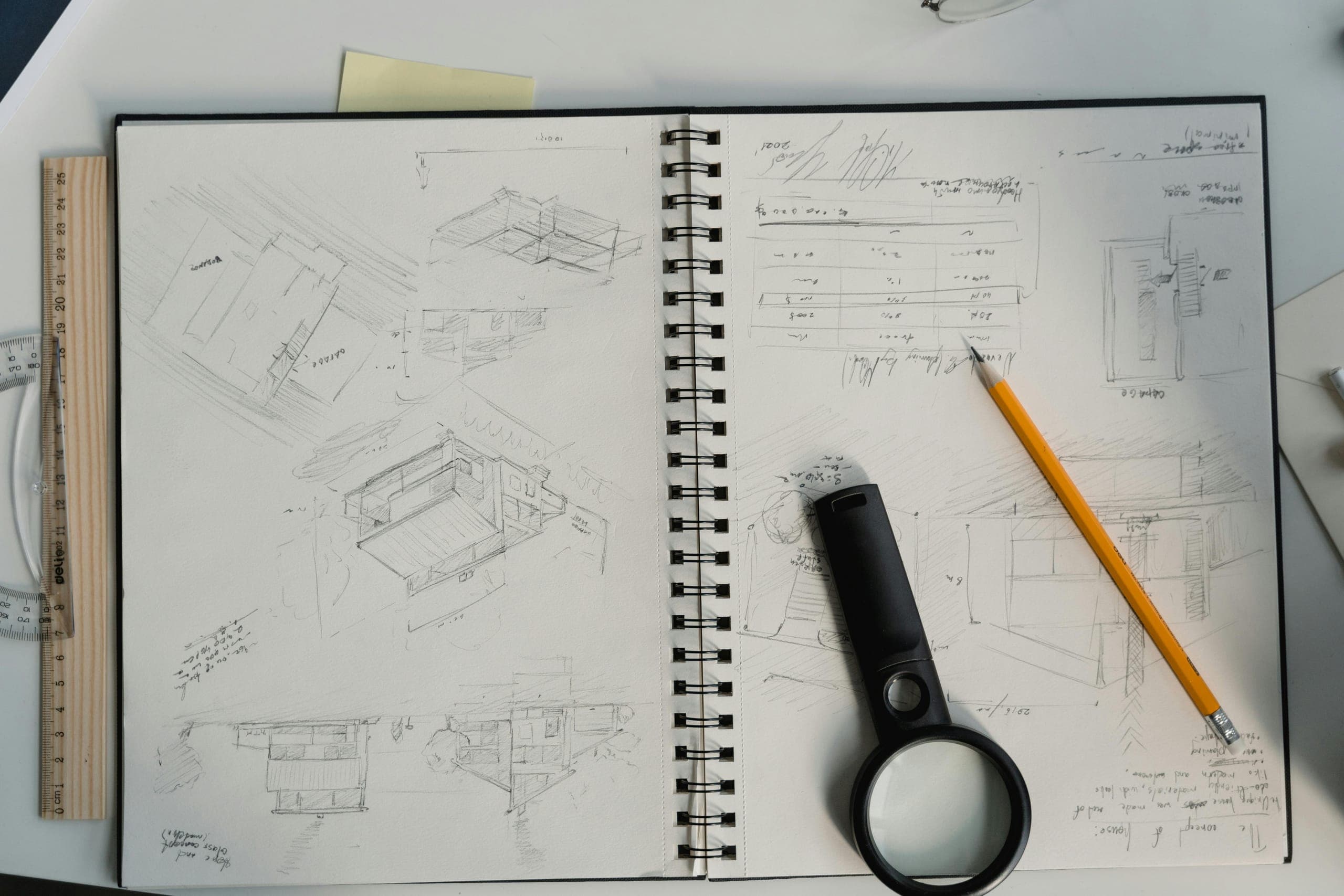
A spread of design sketches and a sketchbook

Section 11

History of Artの知識を深める

Build subject knowledge around a few works you can analyse in depth. The resources below are optional learning tools, not Cambridge admissions requirements.

Books

  • Ways of Seeing by John Berger — a classic short text for thinking critically about looking, images, reproduction, gender and power.
  • The Story of Art by E. H. Gombrich — a widely used narrative introduction to major periods and problems in Western art history.
  • Art History: A Very Short Introduction by Dana Arnold — a concise introduction to what art history is, how it has changed and how visual evidence is interpreted.
  • Art in Theory 1900–2000: An Anthology of Changing Ideas by Charles Harrison and Paul Wood, editors — a demanding anthology for applicants ready to sample primary theoretical texts on modern and contemporary art.
  • After Modern Art 1945–2017 by David Hopkins — a strong bridge from modernism to contemporary art, useful for understanding post-war movements and debates.

Video and lecture channels

These channels are useful for ongoing viewing and lecture-style exploration; the embedded video cards in the CMS are a smaller curated set of specific videos, mostly from Smarthistory and Tate.

  • Smarthistory — accessible, rigorous videos and essays across global art history and visual analysis.
  • Tate — curator-led modern and contemporary art content, artist interviews and exhibition videos.
  • The Courtauld — lectures and event recordings from a specialist art history institute.
  • The Museum of Modern Art — studio visits, curator videos and modern/contemporary art interpretation.
  • National Gallery — painting-focused talks and close-looking videos from a major collection.

Podcasts and current conversations

  • The Week in Art — topical discussion of museums, exhibitions, heritage and the art market.
  • Talk Art — artist, curator and gallerist interviews that show how art-world professionals discuss practice.
  • Getty Art + Ideas — conversations with artists, scholars and curators about art, cultural heritage and museums.
  • Bow Down: Women in Art History — short episodes foregrounding women artists and gaps in conventional art-historical canons.

Structured free study

  • Khan Academy Art History — a broad, free foundation in art history organised by period, culture and theme.
  • The Basics of Art History — a concise starting point for visual description and art-historical thinking.
  • AP® Art History — a structured global art-history syllabus with short essays and videos on key works.
  • History & The Arts free courses — free introductory humanities and arts courses for building independent study habits.
  • Free Art History Courses — a curated gateway to free art-history courses across periods and themes.

The aim is not to consume everything. Build a smaller set of examples you can analyse in depth, with notes on materials, composition, patronage, display and interpretation.

A study planner, highlighters and a stack of revision cards

Section 12

カレッジ選択と再振り分け

29 colleges offer this subject. 10.2% (2024 cycle: 2,257 open applications out of 22,153 total direct + open applications) of applicants submit an open application. 20.6% (2024 cycle: 4,557 winter-pooled applications out of 22,153 applications) of places come through the pool.

Cambridge has 29 undergraduate Colleges. In the 2024 cycle, open applications were 10.2% of total direct plus open applications, and winter-pooled applications were 20.6% of applications; these are Cambridge-wide all-subject figures, not History of Art-specific statistics.

The Winter Pool exists so that strong applicants are not disadvantaged by applying to an over-subscribed College. Most pool offers are made without a further interview, although a small number of applicants may be invited to an additional January interview.

College choice affects where you are assessed, interviewed and potentially taught, and some Colleges set extra conditions or request written work. Choose by teaching availability, location, accommodation, community and College-specific requirements, not by trying to game competition.

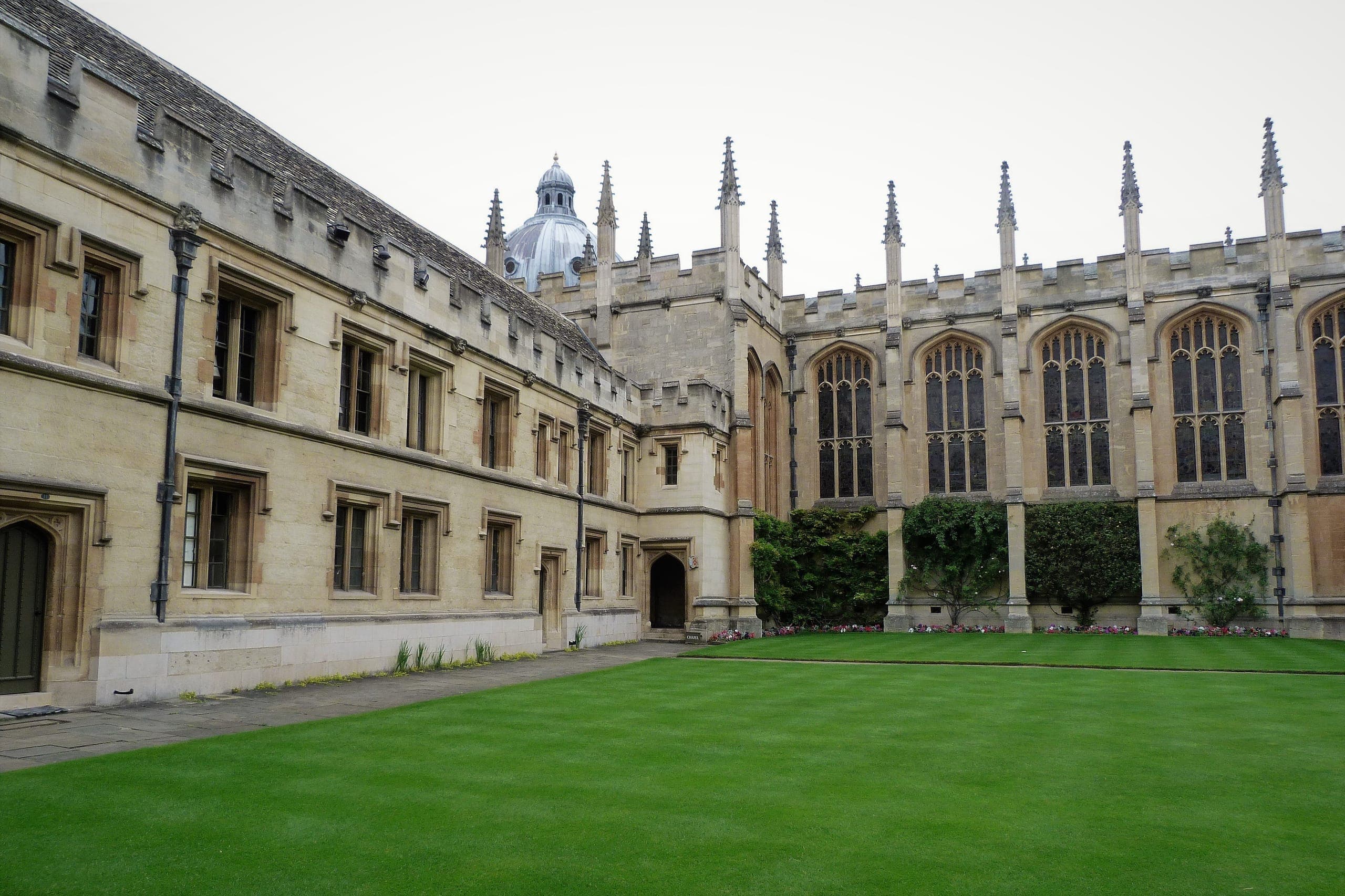
Stone college quadrangle viewed through an archway

Section 13

卒業後のキャリア

Cambridge History of Art graduates move into both directly related and wider professional pathways. The Careers Service reports further study at circa 37%, arts, museums, galleries, commercial art and heritage at circa 21%, and media and communications at 11%; Cambridge also lists museums and galleries, heritage, conservation, fine art dealing, publishing, advertising, journalism, teaching, law and investment banking among outcomes.

The practical point is breadth. Use the degree to build visible evidence of research, writing, public communication and object-based analysis, because those skills travel beyond one sector.

Section 14

特別な事情について

Cambridge considers GCSE results in school or college context, and History of Art has no specific required A-Level subjects. Applicants from schools that do not offer History of Art can still be competitive if they demonstrate visual analysis, independent reading and reflective museum or gallery engagement.

Applicants can use the UCAS reference and Cambridge disrupted-studies process to explain educational disruption or circumstances affecting study. For October applicants, Cambridge lists 22 October 2026 as the deadline for additional extenuating-circumstances information.

International applicants should check whether their qualification is accepted by the chosen College, because Cambridge notes that requirements can differ by College and qualification. This matters especially for applicants using national qualifications rather than A Levels, IB or APs.

Watch & Learn

Cambridge History of Art 参考動画

学生ブログ・模擬面接・講義体験・入試アドバイス。

How to do visual (formal) analysis in art history

A practical introduction to close looking and formal analysis, directly relevant to History of Art interviews.

John Berger / Ways of Seeing, Episode 1 (1972)

A classic discussion of how images are seen, reproduced and interpreted.

Reframing Art History—Smarthistory's textbook

Introduces Smarthistory's world art history approach and the value of broader, global frameworks.

Drawing from Life | Animating the Archives

A Tate video exploring art education, drawing practice and archival display.

1914 & 1915 | Meet 500 Years of British Art

A Tate curator-led look at British art around 1914 and 1915, useful for connecting objects to historical moments.

All videos are the property of their respective creators.

Further Reading

Recommended Resources

専門講師が推薦するSupercurricular読書リスト・ウェブサイト・ツール。

  • Cambridge History of Art BA course page by University of Cambridge[Website]Primary source for entry requirements, course structure, admissions assessment and College-specific submitted work.
  • Department of History of Art by University of Cambridge[Website]Departmental information on teaching, research, people and events in History of Art at Cambridge.
  • Smarthistory by Smarthistory[Website]High-quality free essays and videos across global art history.
  • Khan Academy Art History by Khan Academy[Website]Introductory art-history lessons for building baseline period and visual-analysis knowledge.
  • The National Gallery stories and videos by The National Gallery, London[Website]Accessible collection-led articles and videos for developing close-looking habits.
  • Tate Art & Artists by Tate[Website]Artist pages, essays and videos across British, modern and contemporary art.
  • Getty Research Institute resources by Getty[Website]A gateway into art-historical research, archives, provenance and cultural heritage.

よくあるご質問

No. The official Cambridge course page states that there is no admission assessment for History of Art.
For 2027 entry, Cambridge lists A*AA at A Level and 41–42 points in the IB with 776 at Higher Level. There are no specific required subjects, but Colleges usually require A*/7 in an essay-based subject or language.
No. History of Art is recommended but not required. Cambridge recommends History, History of Art, English and languages, and Art & Design is accepted.
Written work is not universally required, but Clare, Downing, Peterhouse and Robinson ask for 2 pieces of written work. Check directly with your assessing College.
No portfolio requirement was verified for Cambridge History of Art. The official course page lists College-specific written work for Clare, Downing, Peterhouse and Robinson, but not a portfolio requirement. Applicants should still follow any instructions from their assessing College.
In the 2024 cycle, Cambridge recorded 103 History of Art applications, 47 offers and 35 acceptances, a 34.0% success rate. That is about 3 applications per acceptance.
Cambridge may place strong applicants in the Winter Pool so that other Colleges can consider them. Applicants can receive an offer from a College they did not originally apply to, usually without a further interview.
Cambridge lists graduate destinations including museums and galleries, heritage and conservation, fine art dealing, publishing, advertising, journalism, teaching, law and investment banking.

History of Art(Cambridge)出願の専門サポート

専門講師との無料30分相談をご予約ください。

無料相談を予約する