

Year
01 / 04
1

概要
Cambridge(ケンブリッジ大学)の近現代・中世語学部(Modern and Medieval Languages)はUCASコードR800の4年制BA(優等学位)課程で、標準オファーはA*AAです。学生は2言語を学び、3年次を海外で過ごします。2027年入学では提出論文・面接での議論・カレッジ入学試験が予定されています。
なぜCambridgeでModern and Medieval Languagesを?
Cambridge は近現代・中世語学部を3年次に海外留学を含む4年制BA(優等学位)コースとして公表しています。これは一般的な語学学位ではありません。全学生が2言語を学び、アラビア語・ヘブライ語・ペルシャ語・歴史・言語学との一部の組み合わせは異なるCambridge コースへの出願が必要です。
日本語で学ぶための実践ガイド
面接や出願書類では、知識の量だけでなく、考え方を筋道立てて説明する力が見られます。次の流れで、授業や読書の内容を自分の言葉に変えてみましょう。
設問の動詞を確認し、何を説明・比較・証明するのかを一文で書きます。
授業ノートや資料から、主張を支える具体例を二つ選びます。
結論、根拠、理由の順で答え、最後に問いへ戻します。

Section 01
下のマップで自国をクリックすると、出願に必要な情報(受け入れられる資格、要求スコア、英語要件、現地の文脈)が表示されます。
International Applicants
Pick a highlighted country to see the admissions-test, score, and English-language requirements that apply for applicants from that country.
Section 02
| Qualification | Typical Offer | Key Requirements |
|---|---|---|
| A-Level | A*AA | A modern language required. English Literature, History, Latin recommended.Some Colleges may make higher offers or specify an A* in a particular subject, usually a language. |
| IB Diploma | 40–42 with 776 at HL incl. A modern language | HL: At least one of the languages you want to study at Higher Level; Higher Level French is required if you want to study French required. Another language, English, History, Mathematics recommended at HL.Some Colleges usually make offers above the minimum offer level. |
| Advanced Placement (AP) | Normally a minimum of 5 AP scores at grade 5 in subjects related to the course, alongside a high SAT or ACT score and a high overall GPA in the US High School Diploma | AP subjects related to the language and cultural areas proposed for study, where available required. English Literature, History, Mathematics, Additional language study recommended. SAT/ACT: Cambridge typically expects a high SAT or ACT score alongside AP results for US applicants..Completion of a US High School Diploma alone is not considered suitable preparation for entry. |
Section 03
Jun–Jul 2026
オープンデー・志望カレッジの絞り込み
Visit Cambridge in person if you can. Open days run in late June and early July. Begin narrowing your college list and reading first-year reading lists.
Sep 2026
Personal Statementの下書き
Write for the subject, not the institution. Cambridge admissions tutors look for ~80% academic content and genuine super-curricular engagement.
15 Oct 2026
UCAS締め切り
Submit your UCAS application by 18:00 UK time on 15 October 2026.
22 Oct 2026
My Cambridge Application締め切り
Complete the My Cambridge Application supplementary questionnaire by 18:00 UK time on 22 October 2026. This replaced the old SAQ.
10 Nov 2026
提出論文の締め切り
Most arts and humanities courses ask for one or two pieces of marked school work. Each college confirms its exact deadline; 10 November is the standard date.
Dec 2026
面接
Around three-quarters of applicants are interviewed. Typically 1–2 interviews of 25–45 minutes each at your chosen or allocated college.
27 Jan 2027
主要判定の発表
Cambridge releases its main decisions on 27 January 2027. Around a quarter of offers are made through the Winter Pool - strong applicants reconsidered by colleges with remaining places.
Jun–Jul 2026
オープンデー・志望カレッジの絞り込み
Visit Cambridge in person if you can. Open days run in late June and early July. Begin narrowing your college list and reading first-year reading lists.
Sep 2026
Personal Statementの下書き
Write for the subject, not the institution. Cambridge admissions tutors look for ~80% academic content and genuine super-curricular engagement.
15 Oct 2026
UCAS締め切り
Submit your UCAS application by 18:00 UK time on 15 October 2026.
22 Oct 2026
My Cambridge Application締め切り
Complete the My Cambridge Application supplementary questionnaire by 18:00 UK time on 22 October 2026. This replaced the old SAQ.
10 Nov 2026
提出論文の締め切り
Most arts and humanities courses ask for one or two pieces of marked school work. Each college confirms its exact deadline; 10 November is the standard date.
Dec 2026
面接
Around three-quarters of applicants are interviewed. Typically 1–2 interviews of 25–45 minutes each at your chosen or allocated college.
27 Jan 2027
主要判定の発表
Cambridge releases its main decisions on 27 January 2027. Around a quarter of offers are made through the Winter Pool - strong applicants reconsidered by colleges with remaining places.
Section 04

Modern and Medieval Languages(University of Cambridge)の2027年度入試では、出願者に書面の入試テストは課されません。出願は推薦書・成績・パーソナルステートメント・提出物・面接で評価されます。
Always verify on the official Oxford admissions tests page.
Section 05
Interview Invitation
Late Nov
Arrival to Interview
Early Dec
Technical Question
Mid Dec
Decision
Early Jan
Interview Invitation
Late Nov
Arrival to Interview
Early Dec
Technical Question
Mid Dec
Decision
Early Jan
Question Types You’ll See
Cambridge は面接を学術的な議論と説明しており、高い学術レベルで学ぶ準備、批判的・独立した思考、好奇心、新しいアイデアへの開放性、選択した科目への熱意を評価するために使用されます。
最良の準備はスピーチを暗記することではありません。精読・翻訳の選択・短い論証の構築、そして実際に学んだ文学・映画・歴史・言語学・思想の議論を練習することが有効です。
提出した論文・学校のトピック・Personal Statementの素材・なじみのない言語や文化的素材・言語の選択について議論を求められることがあります。論文のクリーンなコピーを手元に置き、論証が改善できる部分に注釈を付けておくことをお勧めします。
Modern and Medieval Languagesを含む全学科の模擬面接練習問題バンクで本番さながらの問題を練習しましょう。
無料練習問題 →
Section 06
Cambridge はMML出願者を、現在の2027年入学において、学業記録・推薦書・Personal Statement・提出論文・面接成績・文脈情報・カレッジ入学試験を使って審査します。
ページの視覚的な重みは提示のみのための編集上のものであり、Cambridge は公式のパーセンテージ重みを公表していません。視覚をスコアリングの公式として読まないでください。
実際には、強い出願は証拠全体で一貫しています。成績・論文・面接の議論・試験への対応は全て、言語・論証・文化について学術的なプレッシャーの下で慎重に考えることができることを示すべきです。
Our recommendation · weighting of admission factors
Oxbridge Mentors recommendation, drawn from observed offer patterns. University of Cambridge does not publish official weightings - exact balance varies by college, course and year.
Section 07

言語選択の背後にある知的な選択から始めてください:なぜこの組み合わせを選んだか、どのテキストや文化的問題に興味があるか、どのような言語問題を調べたいか。
旅行記にならないよう注意してください。より良いパラグラフは、読んだ・見た・聞いたもの、それが提起した問題、テキスト・言語的特徴・翻訳の選択・文化的瞬間への見方がどう変わったかを説明するものです。
Personal Statementを使って学校の学習と独立した研究を結びつけてください。本・映画・ポッドキャストの長いリストよりも、1〜2つの本格的な探求ラインを示す方が効果的です。
1言語をゼロから学ぶために出願する場合、その選択の学術的な理由を説明してください。フランス語は例外です。フランス語を学びたい出願者はCambridge がフランス語の事前上級学習を要求しています。
Section 08
有益なMMLプロジェクトは言語への関心を証拠に変えます。小さな問いを選び、例を集め、証拠が実際に示すことを書きまとめることをお勧めします。
プロジェクトの提示方法:
別の選択肢として、3〜5本の映画とレビュー・インタビュー・歴史的文脈を組み合わせた「言語・映画・社会」のケーススタディがあります。
3つ目の選択肢として、1言語の新聞・ポッドキャスト・音楽・広告・ソーシャルメディアからの例を使った現代的な言語変化のミニコーパスがあります。プロジェクトは面接で証拠について議論できる程度に管理可能なものにしてください。
推奨リソースとプロジェクトのアイデアを確認済みの充実活動基盤として代わりに使用してください。
これらはサポートであり、代替ではありません。
コンペティションは必須ではありません。よく行えば論証・研究の規律・文章表現を伸ばすことができます。
いずれも必須ではありません。1〜2つをよく行う方が5つを中途半端に行うより価値があります。

Section 09
Year
01 / 04
1
Year
02 / 04
2
Year
03 / 04
3
Year
04 / 04
4
Section 10

Cambridge のMMLコースページによると、出願者は2本の論文を提出する必要があります。これらは学校で書いた最近の作品であり、1本は大学で学ぶ予定の言語の1つで書かれたものでなければなりません。
評価するカレッジが出願後に提出方法と締め切りを提供します。正直に議論できる作品を選ぶことをお勧めします:論証・弱点・今なら修正するところを把握しておいてください。
Section 11
準備の中心を実際のCambridge コースと学部の文脈に置くため、Cambridge近現代・中世語学部コースページとFaculty of Modern and Medieval Languages and Linguisticsサイトから始めてください。
言語の歴史については、The Story of Frenchが一つの主要なヨーロッパ言語の通時的な記述を提供しています。翻訳については、Introducing Translation Studiesが言語間の選択について議論するための語彙を与えてくれるため有用です。
聴取習慣には、The Allusionistが語源・用法・レジスターへの注意を高めるのに役立ちます。構造化された言語練習には、Getting started with French 1は言語をゼロから始める出願者や基礎を見直す出願者にのみ最も役立ちます。フランス語を学びたい出願者に要求される上級フランス語の代替にはなりません。
Trinity College Cambridge Essay Prizes は正式なエッセイ締め切りを求める出願者に役立つストレッチ選択肢です。バッジを集めるためではなく、簡潔な論証を練習するために使ってください。

Section 12
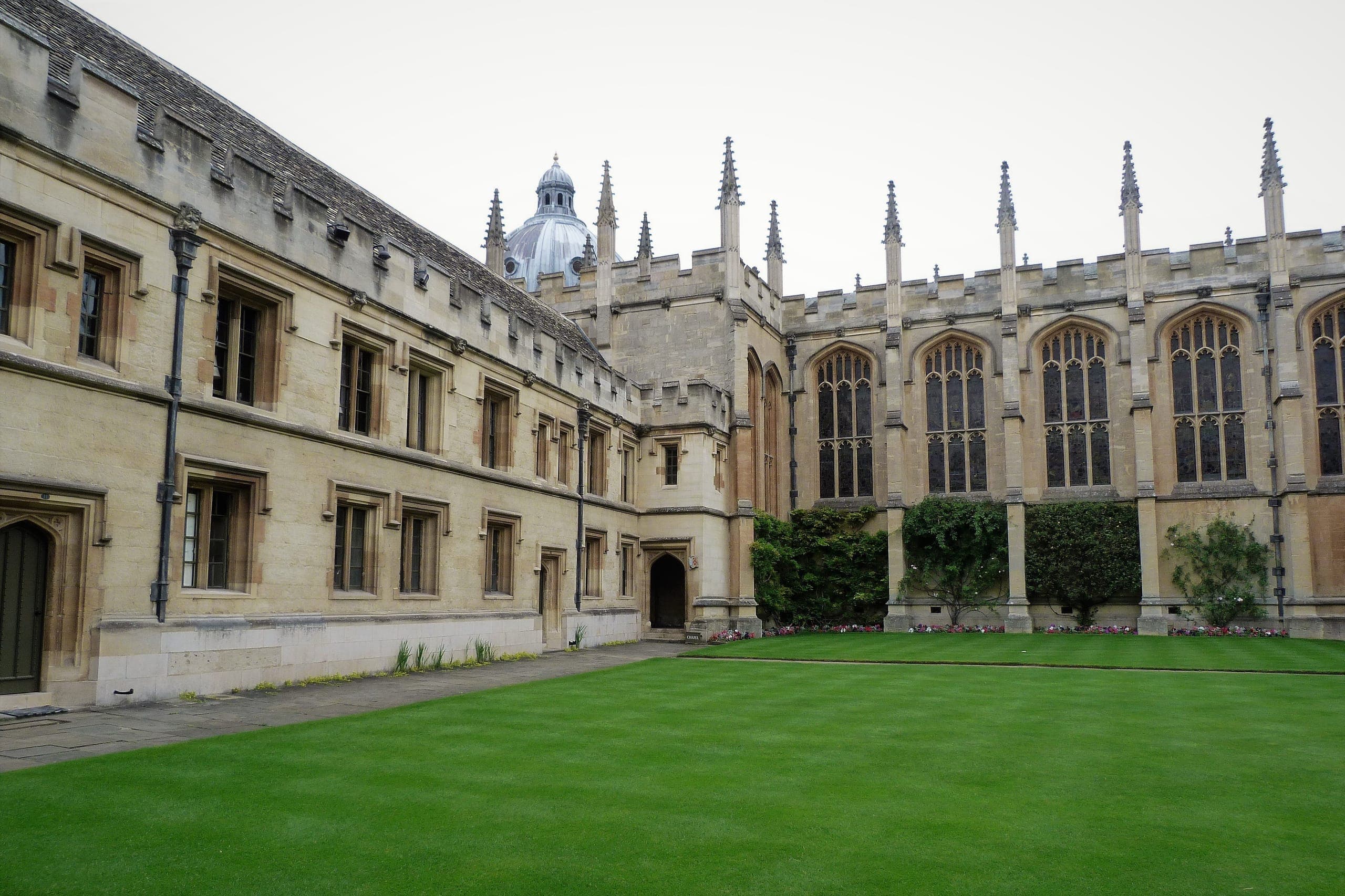
29 colleges offer this subject. ~19% of places come through the pool.
出願者はカレッジを選択するか、カレッジに振り分けられるオープン出願を行うことができます。
オファーは出願したカレッジ、オープン出願で振り分けられたカレッジ、または別のカレッジから来る可能性があります。Cambridge は再割り当てプロセスをWinter Poolと記録しており、2024年10月に受け取った出願の約19%がWinter Poolに入りました。
カレッジ選びは、コースの有無・オファー条件・公表後の面接形式・宿泊施設・立地・サポート・コミュニティ・実際的な好みに基づくべきです。入学上の優位性に関する噂では選ばないでください。
Section 13
このセクションは、確認済みの`careers.sectors`ソースが追加されるまで、棒グラフや就職先の主張を公表すべきではありません。
現時点では、Cambridge がこのコースについて実際に確認している入学証拠にページを集中させてください。一般的な語学学位の前提から就職の結果を作り上げないでください。
Section 14
Cambridge は文脈データを使って出願者の教育的・社会的状況、学業成績、評価成績のより完全な情報を構築します。文脈データは体系的にグレードの低い条件付きオファーを行うために、または貧弱な学業記録を許可するために使用されないと述べています。
関連する文脈情報には、個人的な状況、地域レベルのデータ、学校・カレッジの成績データが含まれることがあります。MMLでは、言語教育へのアクセスの制限は推薦書または適切なCambridge のルートを通じて明確に説明すべきですが、これは自動的にコース固有の言語要件を免除するものではありません。
Watch & Learn
学生ブログ・模擬面接・講義体験・入試アドバイス。
All videos are the property of their respective creators.
Further Reading
専門講師が推薦するSupercurricular読書リスト・ウェブサイト・ツール。