
Year
01 / 06
1
Phase 1a
医学の科学的基盤と患者の文脈
第1学年では医学の科学的・臨床的・社会的基盤を学びます。学生は生物医学的知識を構築しながら、患者・地域・医療システムが健康と疾患をどのように形成するかを探求します。
概要
Imperial College London の医学科(UCAS コード A100)は、South Kensington・Hammersmith・Charing Cross・St Mary's・Chelsea & Westminster の各キャンパスにまたがって提供される6年制 MBBS BSc プログラムです。選考は、候補者として選ばれた受験者への UCAT・Multiple Mini Interview(MMI)・生物学・化学における強固な学業プロフィールに基づいています。このコースには統合 BSc 年度・広範な臨床実習・最終学年の基礎実践への準備が含まれています。
なぜImperialでMedicineを?
Imperial 医学科は、UCAS コード A100 でロンドンで提供される6年制 MBBS/BSc コースです。コース構成には、初期の医学科学・患者とコミュニティのテーマ・臨床実習・第4学年の必修 intercalated BSc・最終学年の実践への準備が含まれます。
日本語で学ぶための実践ガイド
面接や出願書類では、知識の量だけでなく、考え方を筋道立てて説明する力が見られます。次の流れで、授業や読書の内容を自分の言葉に変えてみましょう。
設問の動詞を確認し、何を説明・比較・証明するのかを一文で書きます。
授業ノートや資料から、主張を支える具体例を二つ選びます。
結論、根拠、理由の順で答え、最後に問いへ戻します。

Section 01
下のマップで自国をクリックすると、出願に必要な情報(受け入れられる資格、要求スコア、英語要件、現地の文脈)が表示されます。
International Applicants
Pick a highlighted country to see the admissions-test, score, and English-language requirements that apply for applicants from that country.
Section 02
| Qualification | Typical Offer | Key Requirements |
|---|---|---|
| A-Level | A*AA | Biology, Chemistry, Third subject required. General Studies, Critical Thinking not accepted.All qualifications must be taken in the same sitting; if made an offer, applicants must pass the practical endorsement in all science subjects that form part of the offer. |
| IB Diploma | 38 points | HL: 6 in Biology at Higher Level, 6 in Chemistry at Higher Level required.Both IB Mathematics syllabuses, Applications and Interpretations and Analysis and Approaches, are accepted on the official sources. |
| Advanced Placement (AP) | Check the official course page | SAT/ACT: ACT and SAT are not accepted for Imperial undergraduate entry; AP exams or another recognised qualification route are required instead..AP applicants should check the official Imperial course page or contact Medicine UG Admissions because retrieved official course data did not expose AP-specific Medicine conditions. General Imperial guidance says AP applicants usually need 3-4 AP tests with grades of 5 alongside a relevant high school diploma; SAT/ACT alone should not be relied on. |
Section 03
20 MAY - 24 SEP
UCAT に登録・予約し受験する
UCAT registration opens on 20 May 2026, booking opens on 23 June 2026, testing starts on 13 July 2026, and the last test day is 24 September 2026. Applicants are responsible for booking and sitting the test within the testing window.
1 SEP
出願受付開始後、UCAS 出願を提出する
Completed undergraduate applications for 2027 entry can be submitted to UCAS from 1 September 2026. Your reference must be complete before the application can be sent.
15 OCT
医学科の UCAS 締切を守る
The equal consideration deadline for most medicine courses is 15 October 2026 at 18:00 UK time. Imperial’s UCAS listing shows A100 Medicine, course code A100, with this apply-by date.
EARLY NOV
UCAT の結果が各大学に送られる
UCAT states that results are delivered to universities in early November. Imperial uses UCAT scores to help decide shortlisting for interview, but published guidance says they are not the sole factor.
WINTER - SPRING
候補者の選考と Multiple Mini Interview
Shortlisted applicants are invited to Multiple Mini Interviews. Imperial/UCAS public information lists criteria such as NHS Constitution values, motivation for medicine, empathy, resilience, community activities, leadership and teamwork.
BY 31 MAR - 12 MAY
大学からの合否通知を受け取る
UCAS says providers should aim to have sent decisions by 31 March for applications received by 13 January, with a reject-by-default deadline of 12 May 2027. Imperial Medicine may release outcomes earlier or in batches after interviews.
5 MAY - 2 JUN
オファーへの返答
If all decisions are received by 31 March, the UCAS undergraduate reply deadline is 5 May 2027; if all decisions are received by 12 May, the reply deadline is 2 June 2027. Applicants usually choose a firm and, if applicable, an insurance choice.
AUG 2027
結果と確定
Applicants holding conditional offers will need to meet the academic and any health/DBS conditions set by Imperial. The exact 2027 A-level/JCQ results date was not currently publishedfrom an official source.
20 MAY - 24 SEP
UCAT に登録・予約し受験する
UCAT registration opens on 20 May 2026, booking opens on 23 June 2026, testing starts on 13 July 2026, and the last test day is 24 September 2026. Applicants are responsible for booking and sitting the test within the testing window.
1 SEP
出願受付開始後、UCAS 出願を提出する
Completed undergraduate applications for 2027 entry can be submitted to UCAS from 1 September 2026. Your reference must be complete before the application can be sent.
15 OCT
医学科の UCAS 締切を守る
The equal consideration deadline for most medicine courses is 15 October 2026 at 18:00 UK time. Imperial’s UCAS listing shows A100 Medicine, course code A100, with this apply-by date.
EARLY NOV
UCAT の結果が各大学に送られる
UCAT states that results are delivered to universities in early November. Imperial uses UCAT scores to help decide shortlisting for interview, but published guidance says they are not the sole factor.
WINTER - SPRING
候補者の選考と Multiple Mini Interview
Shortlisted applicants are invited to Multiple Mini Interviews. Imperial/UCAS public information lists criteria such as NHS Constitution values, motivation for medicine, empathy, resilience, community activities, leadership and teamwork.
BY 31 MAR - 12 MAY
大学からの合否通知を受け取る
UCAS says providers should aim to have sent decisions by 31 March for applications received by 13 January, with a reject-by-default deadline of 12 May 2027. Imperial Medicine may release outcomes earlier or in batches after interviews.
5 MAY - 2 JUN
オファーへの返答
If all decisions are received by 31 March, the UCAS undergraduate reply deadline is 5 May 2027; if all decisions are received by 12 May, the reply deadline is 2 June 2027. Applicants usually choose a firm and, if applicable, an insurance choice.
AUG 2027
結果と確定
Applicants holding conditional offers will need to meet the academic and any health/DBS conditions set by Imperial. The exact 2027 A-level/JCQ results date was not currently publishedfrom an official source.
Section 04

Imperial 医学科 A100 では、University Clinical Aptitude Test(通称 UCAT)が必要です。UCAT 2026 が2027年度入学または繰り下げの2028年度入学の関連テストサイクルです。
UCAT 2026 は、個別に時間管理される4つの多肢選択式サブテストで構成されています。言語推論・意思決定・定量的推論・状況判断の4つです。Abstract Reasoning は現在の UCAT には含まれていません。受験登録は2026年5月20日14:00(英国時間)に開始し、2026年9月16日15:00(英国時間)に締め切られます。
テスト期間は2026年7月13日から2026年9月24日まで。受験者はテストセンターを出る前にスコアレポートを受け取り、UCAT は2026年11月初旬に英国の大学へ直接結果を送付します。
海外の学生にとって、UCAT は Imperial が異なる学校制度・資格ルートの出願者を比較するためのもう一つの手段となります。実際には、2027年度の固定された公開スコア閾値を基に計画を立てないでください。Imperial がサイクル固有の閾値を公表するまでは、固定された2027年度のスコア閾値は使用すべきではありません。準備の核心は暗記ではなく、時間管理された練習です。
UCAT完全対策ガイド | 試験形式・採点・戦略・練習リソース。
UCATガイド →Section 05
Interview Invitation
Late Nov
Arrival to Interview
Early Dec
Technical Question
Mid Dec
Decision
Early Jan
Interview Invitation
Late Nov
Arrival to Interview
Early Dec
Technical Question
Mid Dec
Decision
Early Jan
Question Types You’ll See
Imperial 医学科では候補者として選ばれた出願者に Multiple Mini Interview を実施します。
面接の評価基準には、NHS 憲章の価値観へのコミットメント・医療キャリアとしての動機と理解・共感・回復力・コミュニティ活動・リーダーシップ・チームワーク・課外活動への関心が含まれます。代表的なステーションタイプとしては、医療への動機の議論・倫理的または NHS 価値観に関するシナリオ・コミュニケーションシナリオ・チームワークへの内省・コミュニティ貢献への内省などが考えられます。
型通りの答えを暗記するのではなく、ケア体験・チームワーク・科学的読書・内省からの具体例で準備することが効果的です。
Medicineを含む全学科の模擬面接練習問題バンクで本番さながらの問題を練習しましょう。
無料練習問題 →
Section 06
2027年度入学の場合、Imperial 医学科の選考は段階的なプロセスです。出願者はまず学術的・行政的要件(出願年度の UCAT 受験を含む)を満たす必要があります。UCAT は学術的審査後に面接候補者の選考に活用されます。
候補者として選ばれた出願者は Multiple Mini Interview を完了します。MMI は価値観・動機・共感・回復力・コミュニティ貢献・リーダーシップ・チームワークを評価します。Imperial では面接中に UCAS 出願が参照されることはほとんどないと述べていますが、UCAS では UCAS 出願が見直される場合があると記載しています。
これらの比重はあくまでも目安です。Imperial は固定されたスコアの算出方法を公表していません。
Our recommendation · weighting of admission factors
Oxbridge Mentors recommendation, drawn from observed offer patterns. Imperial College London does not publish official weightings - exact balance varies by college, course and year.
Section 07

Imperial 医学科の Personal Statement では、動機・医学への理解・内省・共感・コミュニケーションの証拠を示す必要があります。効果的なアプローチは、少数の具体例を深く掘り下げることです。臨床的またはケアリングの体験を1つ・科学的な読書またはプロジェクトの具体例を1つ・チームワークまたはコミュニティの具体例を1つ書きましょう。
Personal Statement が面接で必ず議論されるという前提で書かないでください。Imperial では、面接段階で UCAS 出願が参照されることはほとんどないと述べていますが、UCAS では見直される場合があると記載しています。実際には、陳述書は UCAT 候補者選考と MMI 準備の前に証拠を整理するのに役立つため、依然として重要です。
内省のない形での病院の診療科・書籍・ボランティア時間の羅列は避けてください。一つの患者への向き合いやケア体験が機密保持・不確実性・チームワーク・責任についてどのように教えてくれたかを説明する方が効果的です。
専門家の解説付き完全例文を見る。
Medicine PS例文 →Section 08
良い医学科プロジェクトは科学・患者・判断を結び付けるものであるべきです。良いアプローチは、より良い証拠が見つかるにつれて自分の考えがどのように変わったかを示しながら、絞り込まれた問いを選ぶことです。
プロジェクトの提示方法:
その他の Supercurricular 活動は、医学が自分の考え方・働き方に合っているかどうかを試すものであるべきです。観察・共感・証拠の活用・プレッシャー下でのコミュニケーション能力を養う活動が効果的なアプローチです。
これらはサポートであり、代替ではありません。必須科目・UCAT 準備・面接準備の代わりにはなりません。
コンペティションは Imperial 医学科への入学に必須ではありません。科学的推論を伸ばし、内省できる具体的な成果を得るという点で効果的です。以下の例は生物学寄りに偏っています。確認済みの Supercurricular リストは医療向けであり、科学コンペティションの完全なカタログではないためです。生物学が出願における唯一の科学的ストーリーにならないよう、化学はメカニズムの読書・研究プロジェクト・その他の適切な発展的取り組みを通じて補ってください。
どれも必須ではありません。1〜2つをしっかり取り組む方が、5つを中途半端にこなすよりも効果的です。

Section 09
Year
01 / 06
1
医学の科学的基盤と患者の文脈
第1学年では医学の科学的・臨床的・社会的基盤を学びます。学生は生物医学的知識を構築しながら、患者・地域・医療システムが健康と疾患をどのように形成するかを探求します。

Year
02 / 06
2
システム・予防・臨床研究
第2学年では第1学年の生物医学的システム教育を発展させ、疾患・予防・臨床的推論への理解を深めます。また、臨床研究とイノベーションへの正式な関与も始まります。
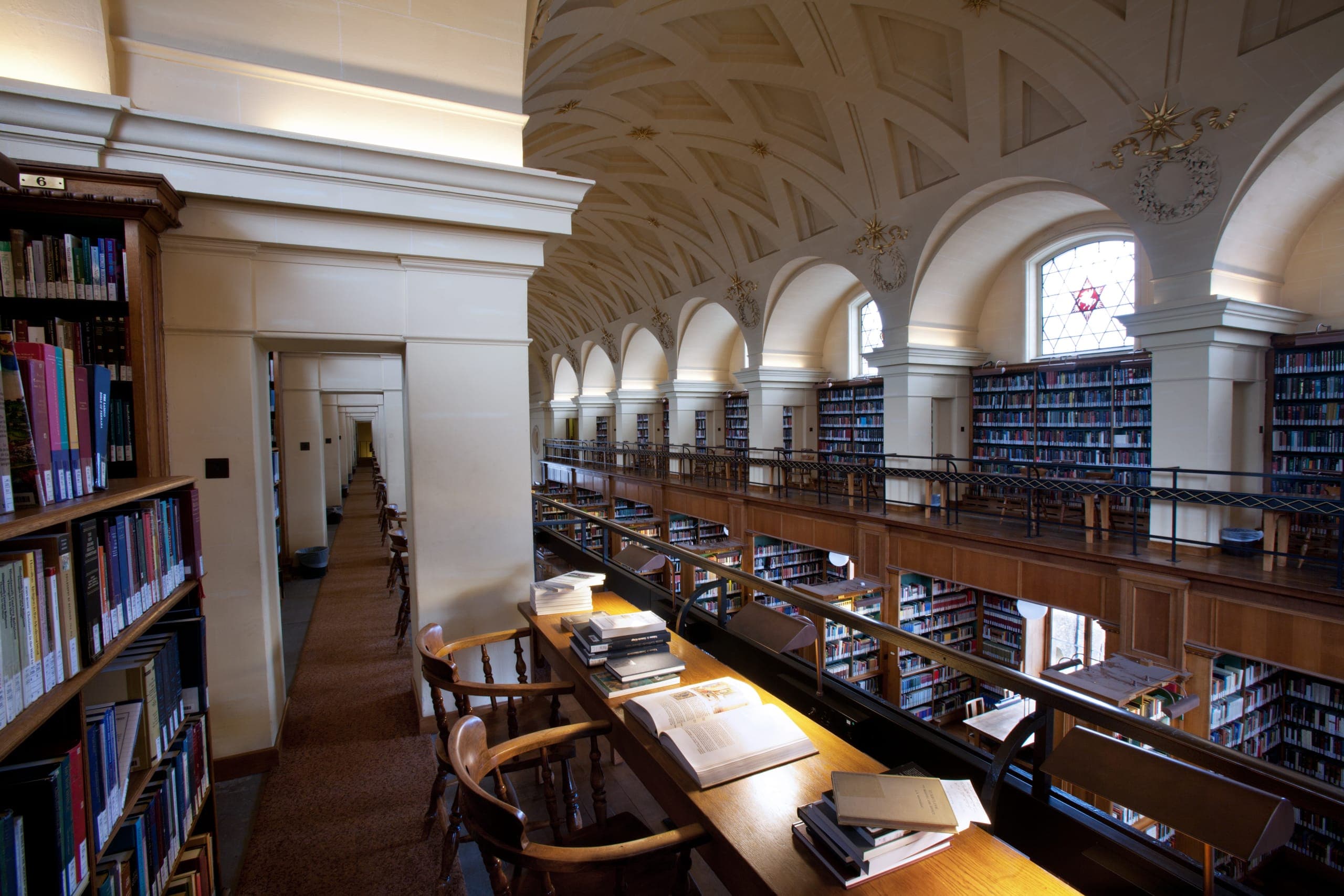
Year
03 / 06
3
臨床移行とコミュニティ見習い
第3学年は初期の医学的科学からより継続的な臨床学習への橋渡しとして機能します。学生はコミュニティ見習いおよび二次医療の内科・外科実習を通じて、主に臨床現場での学習に向けて準備します。
Year
04 / 06
4
必修の intercalated BSc と研究専門化
第4学年は必修の intercalated BSc 年度です。学生は専門パスウェイを選択し、高度な授業科目に加えて実質的な指導付き研究プロジェクトを完成させます。
Year
05 / 06
5
臨床専門科目と応用病理学
第5学年では再び集中的な臨床医学と臨床専門科目の学習に戻ります。学生は入院・地域医療の場で患者と向き合いながら、以前の科学的・研究的トレーニングを応用します。
Year
06 / 06
6
臨床実践への準備
第6学年は基礎研修(foundation training)と臨床実践への安全な移行への準備に焦点を当てます。学生は最終学年の臨床活動を通じて、臨床的判断・専門的責任・実践的な準備能力を固めます。
Section 10
生物学的メカニズムと臨床的不確実性を結び付ける書籍から始めましょう。 The Emperor of All Maladies Siddhartha Mukherjee 著は癌の科学・患者・研究・不確実性を結び付けています。Paul Kalanithi の「When Breath Becomes Air」は医師であること・死・患者体験への内省に役立ちます。Henry Marsh の「Do No Harm」は外科的リスク・責任・過ちについての思考を促します。Atul Gawande の「Complications」は医学における不確実性・システム・誤り・判断の議論に向けた強力な準備となります。
動画は選択的に活用してください。 Osmosis from Elsevier 生物医学的メカニズム・病理・生理学についての明確なアニメーション解説を提供しています。Geeky Medics はコミュニケーション・問診の構成・臨床スキルの実演を観察するのに役立ちます。Zero To Finals は学校の科学と医学を結び付ける簡潔な臨床トピックのまとめを提供します。Kharma Medic は医学部出願・学習習慣・医学研修についての学生目線の体験を紹介しています。
ポッドキャストは医療システム・倫理・日常的な医療実践について考えを促す際に役立ちます。Sharp Scratch は医学生と研修医が直面する実際の問題を議論します。Inside Health は現在の健康・証拠・医療実践についての身近な議論を提供します。Intention to Treat は主要な医療政策・倫理・公衆衛生のテーマを紹介します。The Resus Room は学校の内容を超えて伸びたい出願者向けの臨床重視の救急医療の議論を提供します。
体系的な準備には、有料の近道より公式で臨床重視のリソースを優先して使用してください。UCAT 公式練習問題と問題バンクは、UCAT の形式・問題スタイル・時間管理された練習の最も信頼できる出発点です。UCAT 準備リソースはチュートリアル・問題バンク・練習テストを含む公式の体系的な準備ルートを提供します。Geeky Medics の OSCE ガイドと動画は、コミュニケーション・同意説明・構造化された臨床的なやり取りの観察に役立ちます。Zero To Finals Medicine は科学的な学習と医学的症状を結び付ける簡潔な臨床ノートを提供します。Step into the NHS Careers A-Z は Imperial 固有ではなく英国全体の医療リソースですが、医療の役割と多職種チームワークの理解に役立ちます。これは Imperial の面接基準における NHS の価値観・リーダーシップ・チームワークに関連しています。

Section 11
Imperial 医学科の進路は強く臨床的であり、indexed 2023年 Imperial 学部卒業後の進路調査表では、就職した医学科卒業生の大多数が「保健医療・社会福祉」に集中しています。入手可能な Discover Uni のデータでは、Imperial A100 医学科卒業生の98%がコース終了15ヶ月後に就職および/または進学したと報告されています。この数字は方向性を示す指標としてご活用ください。Imperial はこの学位を臨床医療実践の準備としてだけでなく、研究や関連する医療キャリアへのルートとしても位置付けています。
Section 12
Imperial はコンテキスト入試プロセスを運用しており、出願者は公式のコンテキスト入試ガイダンスを通じて適格性を確認することが求められます。コンテキスト事情として
障害・個人的な状況または UCAT アクセス要件のある出願者は、アクセス手配には通常、別途証拠と締切要件があるため、公式の UCAS・Imperial・UCAT チャンネルを早期に活用すべきです。学校の状況・受講可能な科目・教育的不利は関連する場合がありますが、出願者はコンテキスト適格性を確約されたオファーとして提示することは避けるべきです。
医学科の出願者は、UCAS 推薦状が適切な文脈を示せるよう、中断や臨床実習機会へのアクセス制限について推薦者に事前に知らせておくべきです。
Watch & Learn
学生ブログ・模擬面接・講義体験・入試アドバイス。
Student-perspective overview of MMI preparation and interview mindset for Imperial-style Medicine interviews.
Communication-skills demonstration relevant to honesty, patient safety and ethical explanation.
A practical example of empathy, structure and sensitive communication in a clinical context.
Shows the basics of respectful patient interaction, consent and professional communication.
Biomedical and clinical explainer linking disease mechanisms to presentation and reasoning.
All videos are the property of their respective creators.
Further Reading
専門講師が推薦するSupercurricular読書リスト・ウェブサイト・ツール。