
Year
01 / 06
1
First BM Part I
医学の科学的基礎
1年次では、解剖学・生理学・薬理学・生化学・遺伝学・集団保健を通じて医学の科学的基礎を確立します。学生は後の臨床業務に必要な語彙と推論を発展させながら、早期の「Learning with Patients」プログラムを通じて患者との接触に入門します。
概要
University of OxfordのMedicine(医学)はA100コースであり、6年制のBA / BM BChの構成で、A-levelの標準オファーはA*AAです。このコースは3年間の前臨床期間(医学科学のBA優等学位を含む)と3年間の臨床期間を分離しているため、本格的な臨床学校の授業に入る前に強固な科学的基盤を求める志願者に適しています。
なぜOxfordでMedicineを?
Oxford MedicineはMedicineとして公式コースページに記載されており、UCASコードA100を使用します。
日本語で学ぶための実践ガイド
面接や出願書類では、知識の量だけでなく、考え方を筋道立てて説明する力が見られます。次の流れで、授業や読書の内容を自分の言葉に変えてみましょう。
設問の動詞を確認し、何を説明・比較・証明するのかを一文で書きます。
授業ノートや資料から、主張を支える具体例を二つ選びます。
結論、根拠、理由の順で答え、最後に問いへ戻します。

Section 01
下のマップで自国をクリックすると、出願に必要な情報(受け入れられる資格、要求スコア、英語要件、現地の文脈)が表示されます。
International Applicants
Pick a highlighted country to see the admissions-test, score, and English-language requirements that apply for applicants from that country.
Section 02
| Qualification | Typical Offer | Key Requirements |
|---|---|---|
| A-Level | A*AA in three A-levels (excluding Critical Thinking and Thinking Skills) taken in the same academic year. Applicants are required to achieve at least a grade A in both Chemistry and at least one of Biology, Physics, Mathematics or Further Mathematics. | Chemistry, Biology or Physics or Mathematics required. Biology recommended. |
| IB Diploma | 39 (including core points) with 766 at HL. Applicants are required to take Chemistry and at least one of Biology, Physics or Mathematics to Higher Level. | HL: Chemistry, Biology or Physics or Mathematics required. |
| Advanced Placement (AP) | Either four APs at grade 5 (including any subjects required for the course) or three APs at grade 5 (including any subjects required for the course) plus ACT 32+ or SAT 1470+. |
Section 03
YEAR 12
科学的・医学的な準備を構築する
Strengthen Chemistry plus at least one further science or mathematics subject, and develop a realistic understanding of medical practice through reading, observation, volunteering, or other reflective experience.
20 MAY - 16 SEP
UCATに登録し、6月23日14:00から予約する
UCAT registration opens on 20 May 2026 at 14:00 UK time, booking opens on 23 June 2026 at 14:00 UK time, and the booking deadline is 16 September 2026 at 15:00 UK time. Oxford states that separate registration is the applicant's responsibility.
13 JUL - 24 SEP
UCATを受験する
All applicants for Oxford Medicine must take the UCAT; the 2026 test window runs from 13 July to 24 September. Oxford receives UCAT results automatically.
1 SEP - 15 OCT
UCAS出願を提出する
Completed UCAS applications can be submitted from 1 September 2026. The Oxford, Cambridge, Medicine, Dentistry, and Veterinary Medicine/Science equal-consideration deadline is 15 October 2026 at 18:00 UK time.
LATE NOV - EARLY DEC
面接候補者選考の結果を受け取る
Oxford normally informs applicants whether they have been shortlisted between mid-November and early December, depending on the course timetable. For Medicine, around 425 applicants are usually shortlisted.
EARLY - MID DEC
オンラインのMedicine面接に参加する
UCAT results are delivered to universities in early November 2026; applicants do not need to send Oxford their results separately. Shortlisted applicants are then invited to online interviews in December 2026.
12 JAN
Oxfordの判定を受け取る
Shortlisted candidates for 2027 entry will receive the outcome of their Oxford application via UCAS on 12 January 2027, with college follow-up later that day.
5 MAY
全ての判定が揃い次第、オファーへの返答をする
For 2027 entry, UCAS lists 5 May 2027 as the applicant reply deadline if all decisions have been received by 31 March. The exact reply deadline depends on when all your choices respond.
12 AUG
結果を確認し、オファーの条件を満たす
AQA's provisional 2027 A-level timetable lists results as available to students on Thursday 12 August 2027. Applicants should check their awarding body and UCAS updates nearer the time.
YEAR 12
科学的・医学的な準備を構築する
Strengthen Chemistry plus at least one further science or mathematics subject, and develop a realistic understanding of medical practice through reading, observation, volunteering, or other reflective experience.
20 MAY - 16 SEP
UCATに登録し、6月23日14:00から予約する
UCAT registration opens on 20 May 2026 at 14:00 UK time, booking opens on 23 June 2026 at 14:00 UK time, and the booking deadline is 16 September 2026 at 15:00 UK time. Oxford states that separate registration is the applicant's responsibility.
13 JUL - 24 SEP
UCATを受験する
All applicants for Oxford Medicine must take the UCAT; the 2026 test window runs from 13 July to 24 September. Oxford receives UCAT results automatically.
1 SEP - 15 OCT
UCAS出願を提出する
Completed UCAS applications can be submitted from 1 September 2026. The Oxford, Cambridge, Medicine, Dentistry, and Veterinary Medicine/Science equal-consideration deadline is 15 October 2026 at 18:00 UK time.
LATE NOV - EARLY DEC
面接候補者選考の結果を受け取る
Oxford normally informs applicants whether they have been shortlisted between mid-November and early December, depending on the course timetable. For Medicine, around 425 applicants are usually shortlisted.
EARLY - MID DEC
オンラインのMedicine面接に参加する
UCAT results are delivered to universities in early November 2026; applicants do not need to send Oxford their results separately. Shortlisted applicants are then invited to online interviews in December 2026.
12 JAN
Oxfordの判定を受け取る
Shortlisted candidates for 2027 entry will receive the outcome of their Oxford application via UCAS on 12 January 2027, with college follow-up later that day.
5 MAY
全ての判定が揃い次第、オファーへの返答をする
For 2027 entry, UCAS lists 5 May 2027 as the applicant reply deadline if all decisions have been received by 31 March. The exact reply deadline depends on when all your choices respond.
12 AUG
結果を確認し、オファーの条件を満たす
AQA's provisional 2027 A-level timetable lists results as available to students on Thursday 12 August 2027. Applicants should check their awarding body and UCAS updates nearer the time.
Section 04

Oxford MedicineはUniversity Clinical Aptitude Test(通常UCATと略される)を必要とします。
2027年入学の場合、UCATの登録は2026年5月20日英国時間14:00に開始し、予約は2026年6月23日英国時間14:00から2026年9月16日英国時間15:00まで受け付け、受験期間は2026年7月13日から9月24日までです。
標準的な2026年UCATには4つの時間制限付きサブテストがあります。Verbal Reasoning・Decision Making・Quantitative Reasoning・Situational Judgementです。
OxfordはUCATを候補者選考の一部として、入手可能な場合のGCSE成績や文脈的な審査とともに使用します。
2026年入学のための2025年入試サイクルの公表された統計によると、Oxfordは面接候補者の平均UCAT総合スコアとして2377.5、オファー受領者のスコアとして2407.1(2700点満点)を報告しています。
実際には、UCATは確認すべき項目としてではなく、学校・国・資格制度をまたいだ主要な比較ツールとして扱うべきです。
海外志願者にとって、UCATは成績が異なるシステムから来ている場合にOxfordに共通スコアを提供するため重要です。
中国の場合は特別な計画が必要です。UCAT OnVUEはマカオを含む中国に登録住所を持つ候補者には利用できません。
まず公式のUCAT練習教材から始め、形式に慣れた後にのみ時間制限のある復習を追加してください。
UCAT完全対策ガイド | 試験形式・採点・戦略・練習リソース。
UCATガイド →Section 05
Interview Invitation
Late Nov
Arrival to Interview
Early Dec
Technical Question
Mid Dec
Decision
Early Jan
Interview Invitation
Late Nov
Arrival to Interview
Early Dec
Technical Question
Mid Dec
Decision
Early Jan
Question Types You’ll See
OxfordのMedicine面接の現行の記録では、科学的推論と医学的適性を中心としたオンライン学術面接が説明されています。
面接は科学的能力・問題解決・批判的思考・分析的アプローチ・Medicineへの適性・コミュニケーション・傾聴・共感・倫理的認識・チュートリアル形式の関与をテストするよう設計されています。
見たことのない科学的またはデータに基づくプロンプト・生物学または化学的推論・人体生理学の議論・倫理的シナリオ・声に出して考えることを要求するフォローアップの質問を予想してください。
準備した台本を暗唱するのではなく、声に出した推論を練習してください。強い答えは通常、気づいたこと・仮定していること・見解を変えるための証拠・不確かな点を示します。
Medicineを含む全学科の模擬面接練習問題バンクで本番さながらの問題を練習しましょう。
無料練習問題 →
Section 06
Oxford Medicineの判定は段階的です。候補者はまず資格のスクリーニングを受け、UCAT・学術的証拠(比較可能な場合のGCSE成績と関連する場合のコンテキスト化された審査を含む)を使用して候補者として選ばれます。
面接候補者は次にオンラインのコレッジ面接を受け、コレッジは利用可能な全ての情報を使用して候補者をランク付けします。
最終的なオファーの配分は、コレッジが面接ランキングを第2コレッジのランキングとUCATスコア(Situational Judgementバンドを含む)とともに審査した後に行われます。
Our recommendation · weighting of admission factors
Oxbridge Mentors recommendation, drawn from observed offer patterns. University of Oxford does not publish official weightings - exact balance varies by college, course and year.
Section 07

OxfordはPersonal StatementとUCASの学術的な推薦状を考慮される証拠の一つとして挙げていますが、Medicineの選考は磨かれたストーリーだけでは決まりません。
ステートメントを使用して3つのことを示してください。科学的な好奇心・医療の現実的な理解・患者またはチームへの考察。
特定の瞬間・問い・考えの変化に結びつけない限り、「人を助けたい」という長い主張は避けてください。
読書と経験を結びつけることが役立ちます。例えば、抗生物質耐性についての段落は、メカニズム・臨床的意思決定・公衆衛生・不確実性を結びつけると強くなります。
Medicineの Personal Statement ガイド
専門家の解説付き完全例文を見る。
Medicine PS例文 →Section 08
良いMedicineのプロジェクトは、高度に聞こえることについてではありません。問いを定義し・慎重に作業し・不確実性を処理し・考えがどのように変化したかを説明できることを示すことです。
プロジェクトの提示方法:
その他の準備は科学的・専門的な思考をサポートするものであり、代替にはなりません。
これらはサポートであり、代替ではありません。
コンペティションはOxford Medicineには必要ありません。うまくやれば、生物学的推論・データ処理・研究への関与・コミュニケーションを伸ばすことができます。
Biology Challenge はより早い年齢層向けのオプションですが、 British Biology Olympiad と Intermediate Biology Olympiad は多くの高校2年生以降の志願者により直接関連しています。いずれも必須ではありません。1〜2つをしっかりと取り組む方が、5つを中途半端にやるより優れています。

Section 09
Year
01 / 06
1
医学の科学的基礎
1年次では、解剖学・生理学・薬理学・生化学・遺伝学・集団保健を通じて医学の科学的基礎を確立します。学生は後の臨床業務に必要な語彙と推論を発展させながら、早期の「Learning with Patients」プログラムを通じて患者との接触に入門します。

Year
02 / 06
2
臓器系・病理学・行動
2年次では、神経科学・病理学・心理学・さらなる生理学および薬理学を含むより応用的な医学的文脈へと科学的基礎を発展させます。この年は「Learning with Patients」プログラムを継続し、First BM前臨床試験シーケンスを完了します。
Year
03 / 06
3
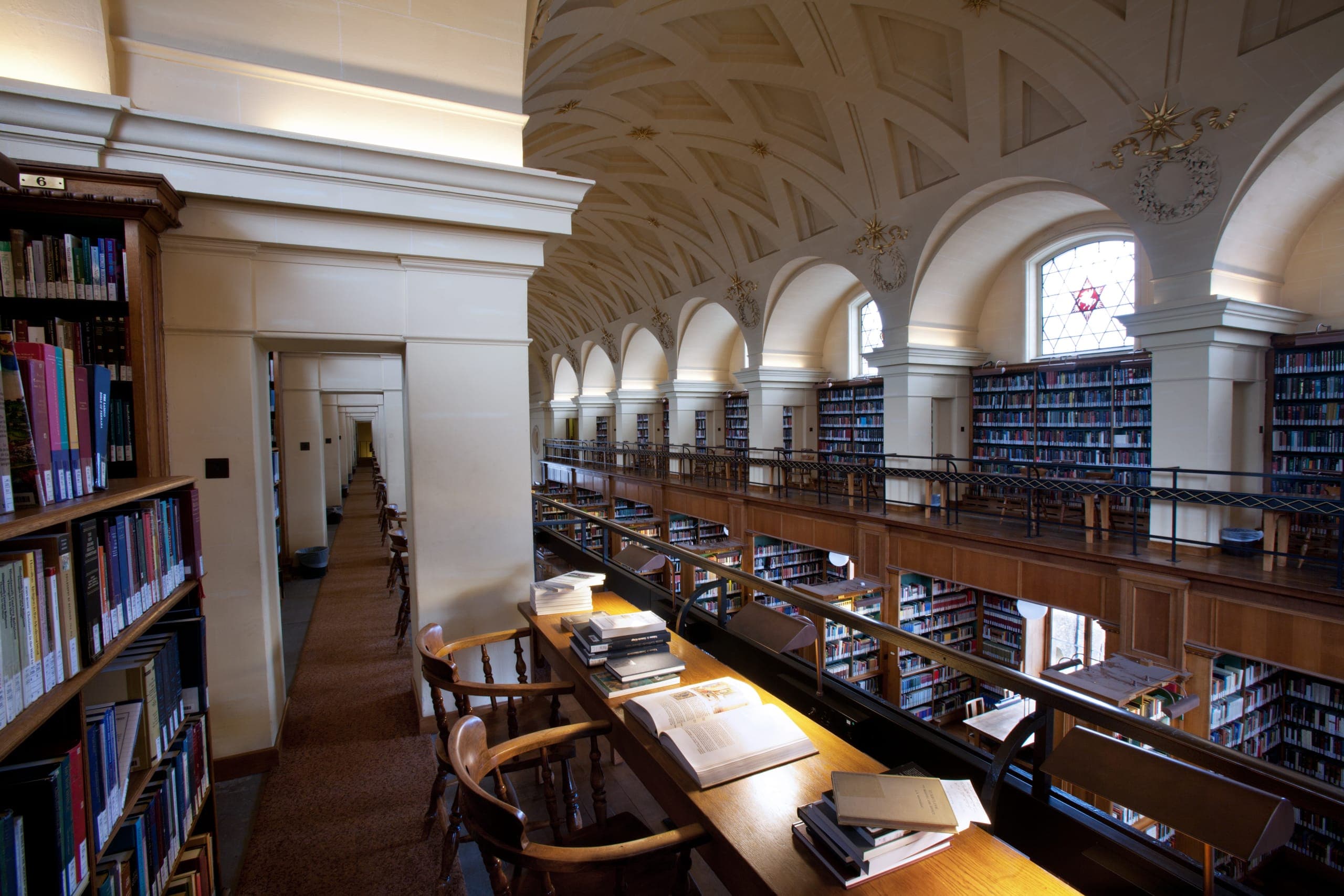
研究主導の医学
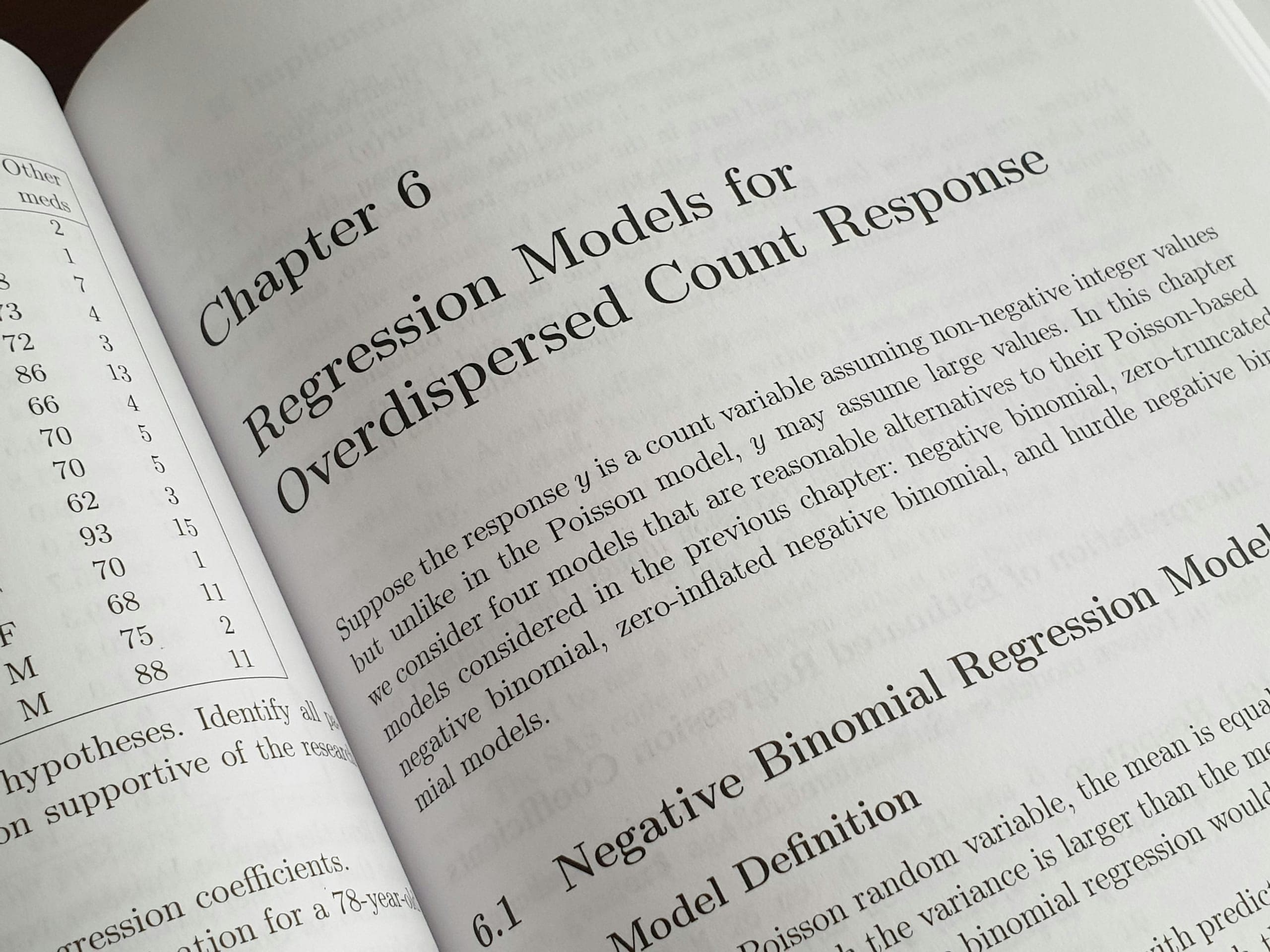
3年次は医学科学のBA優等学位へと続き、生物医学の中でより幅広い選択肢を学生に与えます。学生は幅広い科学的テーマを学び・高度な選択科目を選択し・論文を書き・研究プロジェクトを行い、証拠を評価し医学を研究主導の学問として取り組む準備をします。
Year
04 / 06
4
臨床医学への移行
最初の臨床年では、「Patient and Doctor Course II」・一般診療・検査医学・コア病院実習を含む全日制の臨床医学に学生を導入します。学生は診断・患者コミュニケーション・臨床的推論に科学的知識を直接応用し始めます。
Year
05 / 06
5
専門的な臨床ローテーション
2年目の臨床年では、主要な医療および外科の専門分野にわたる経験を広げます。学生は小児科・精神科・産婦人科・筋骨格系医学・神経科学および関連する病院・コミュニティの場所での専門ブロックをローテーションします。
Year
06 / 06
6
実践への準備
最終年は、シニアローテーション・選択科目・特別学習モジュール・10週間の選択・学生補助制度を通じて、臨床的な能力と専門的な準備を固めます。学生が監督付き臨床学習からFoundation Year 1の責任へと移行できるよう設計されています。
Section 10
臨床的な観察と証拠から始めてください。 Bad Science はバイアス・統計・医学的主張に役立ち、 The Emperor of All Maladies はがん生物学・臨床試験・公衆衛生・患者ケアを結びつけます。
患者中心の好奇心のために、 The Man Who Mistook His Wife for a Hat は観察と神経学的思考を構築し、 The Gene: An Intimate History は遺伝学・遺伝・生物医学倫理に役立ちます。
ビデオでは、 Oxford Medical Education が簡潔な臨床教育を提供し、 Ninja Nerd が生理学と病理学の深みを発展させ、 Armando Hasudungan が視覚的な生物医学的説明を使用し、 Osmosis from Elsevier が生理学と臨床的概念のアニメーション要約を提供します。
音声では、 Medicine and Science from The BMJ と The Lancet Voice が研究・政策・グローバルヘルスの認識に役立ちます。
NEJM This Week は主要な研究の要約を追跡するのに役立ち、 Bedside Rounds は臨床医学・歴史・不確実性・患者中心のケアを結びつけます。
体系的な学習では、 Vital Signs: Understanding What the Body Is Telling Us が生理学と臨床的観察を紹介し、 Understanding Clinical Research: Behind the Statistics が研究デザインと医学的証拠に役立ちます。
各リソースについて、一つの臨床的な質問・一つの科学的な質問・一つの倫理的な質問を記録した短い読書ログを保持してください。

Section 11
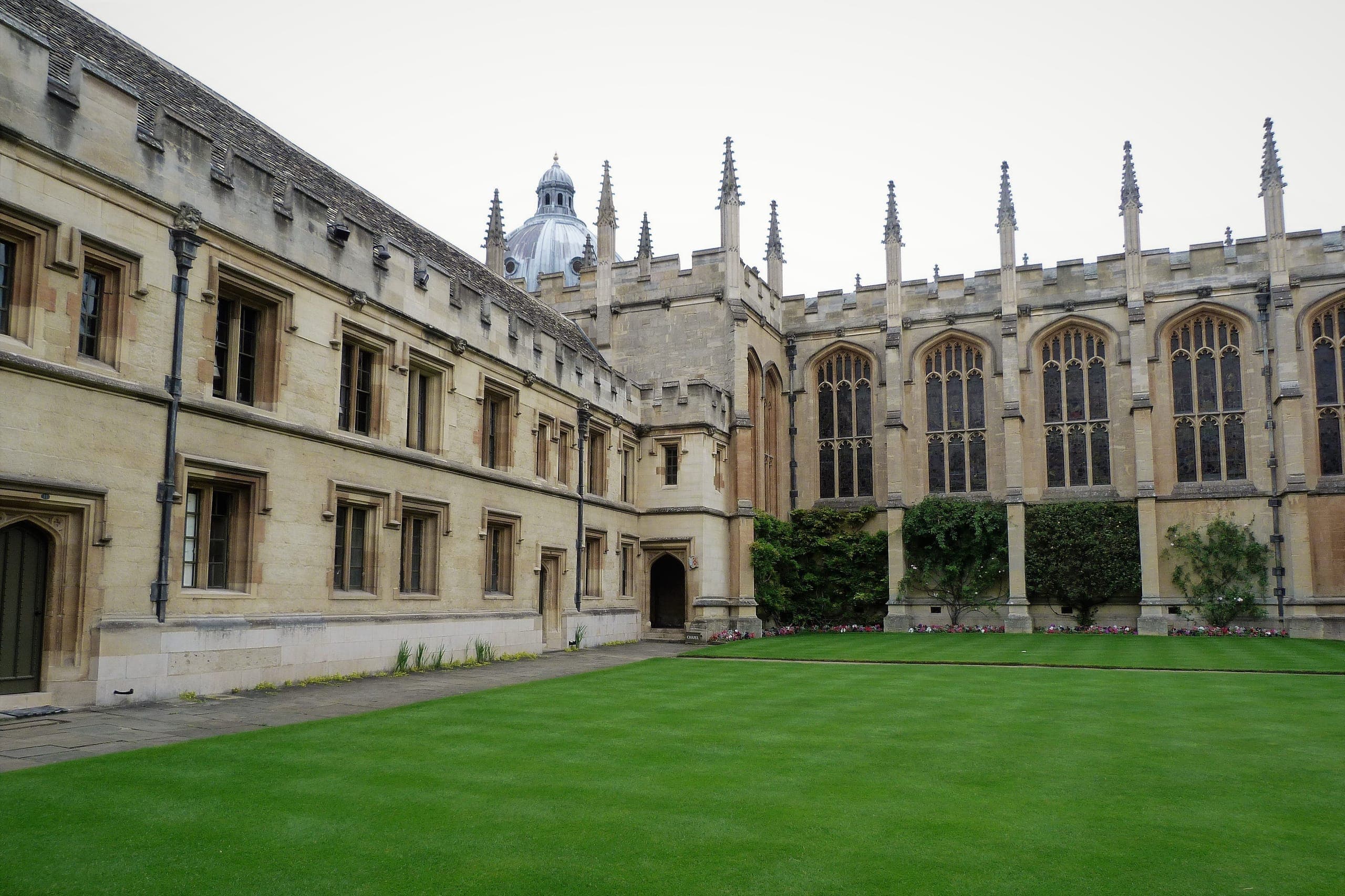
28 colleges offer this subject. 15.9% of applicants submit an open application. 44.8% of places come through the pool.
2025年入試サイクルでは、Medicine資格のある志願者の15.9%がオープン出願を行いました。
同じサイクルでは、Medicineのオファーの44.8%が志願者の希望またはオープン出願の割り当て以外のコレッジによって出されました。
Oxfordはコレッジ間の競争のバランスをとるために再配置を使用しており、MedicineのコレッジへのPreferenceは志願者が候補者として選ばれた後にのみ考慮されます。
希望がない場合は、快適に生活・学習できるコレッジを選ぶか、オープン出願をお勧めします。コレッジの選択は信頼できる入試戦略として扱うべきではありません。
Section 12
Oxford MedicineはGMC認定の一次医学資格取得のための職業的な医学学位および研究主導の学術コースであり、Discover UniはこのコースがGMC認定の一次医学資格ステータスを持つ6年制BM BCh Medicine学位であることを確認しています。
BM BChの後、卒業生は通常、UK Foundation Programmeまたは同等のルートを通じて暫定的なGMC登録とFoundation Year 1に向けて進みます。
Section 13
Oxfordは情報が入手可能な場合、学校と個人の状況を含む学業成績を文脈で考慮します。
Medicineの選考では、比較可能でコンテキスト化された審査に関連する場合は、初期候補者選考のためにUCATと学術的証拠を組み合わせてGCSE成績を使用し、GCSEのない志願者はOxfordが入手できる資格を使用して評価されます。
Oxfordは医学のGCSEの正式要件はないと述べていますが、志願者は生物学・物理学・数学の基本的な教育を受けているべきです。GCSE grade C/4またはその同等が基本的な準備の例として挙げられています。
医学への献身の証拠は、ボランティア活動・介護責任・職場体験・読書・研究・コミュニケーション活動・その他の形での参加から得られます。
文脈的な審査では、重要なのはPersonal Statementの論証を繰り返すことではなく、機会・準備・証拠を公平に解釈するためにチューターを支援することです。コミットメントや制約の状況を明確に説明し、学術的・反省的な証拠が仕事をするようにしてください。
Watch & Learn
学生ブログ・模擬面接・講義体験・入試アドバイス。
A demonstration of an Oxford-style Medicine admissions interview, useful for seeing how scientific reasoning is explored.
Oxford Medicine admissions overview, including how applicants are assessed and what the A100 process involves.
An Oxford Medicine admissions session covering A100 selection and applicant preparation.
Student-facing overview of Medicine at Oxford and what the course experience involves.
A video encouraging exploration of medical research careers and the scientist-clinician interface.
All videos are the property of their respective creators.
Further Reading
専門講師が推薦するSupercurricular読書リスト・ウェブサイト・ツール。