

Year
01 / 03
1
Biochemistry foundations
分子・細胞生物学の中核的基礎
学生はImperial生化学の各進路に共通する生化学・生命科学の基盤を構築します。現時点では2027年度の詳細なモジュールタイトルへの完全なアクセスは確認できませんでしたが、生物化学・代謝・細胞生物学・分子生物学および中核的な科学スキルの基礎的教育を支持する、アクセス可能なコースデータ・プログラム仕様の証拠があります。
概要
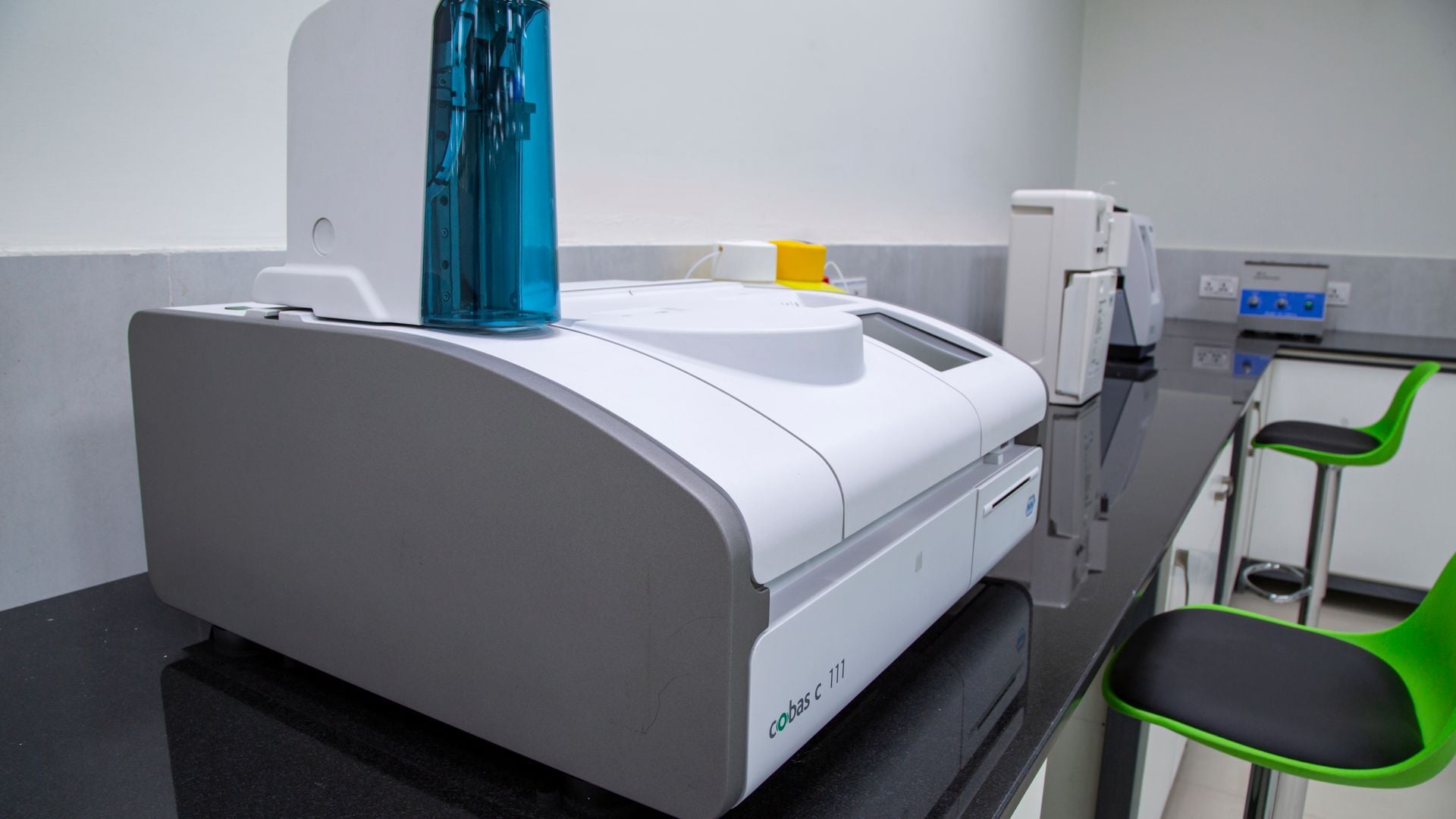
Imperial College LondonのBiochemistry(UCASコード:C700)は、生命科学科が運営する3年制BSc / 4年制MSciプログラムです。細胞・分子生化学・構造生物学・生物物理化学・ゲノミクスとプロテオミクスの最新技術を扱い、実験室実習と最終年度の研究プロジェクトがあります。ImperialはBiochemistryにESAT(Mathematics 1・Chemistry・Biology)を必要としており、標準選考では面接はありません。
なぜImperialでBiochemistryを?
比較表では、Cambridge・Oxford・DurhamがImperialより上位に位置し、Londonの比較対象としてUCLも含まれています。
日本語で学ぶための実践ガイド
面接や出願書類では、知識の量だけでなく、考え方を筋道立てて説明する力が見られます。次の流れで、授業や読書の内容を自分の言葉に変えてみましょう。
設問の動詞を確認し、何を説明・比較・証明するのかを一文で書きます。
授業ノートや資料から、主張を支える具体例を二つ選びます。
結論、根拠、理由の順で答え、最後に問いへ戻します。

Section 01
下のマップで自国をクリックすると、出願に必要な情報(受け入れられる資格、要求スコア、英語要件、現地の文脈)が表示されます。
International Applicants
Pick a highlighted country to see the admissions-test, score, and English-language requirements that apply for applicants from that country.
Section 02
| Qualification | Typical Offer | Key Requirements |
|---|---|---|
| A-Level | AAA | A in Chemistry, A in Biology, Mathematics or Physics, A in a third subject required. General Studies, Critical Thinking not accepted.オファーを受けた場合、オファーに含まれるすべての理科科目で practical endorsement に合格する必要があります。最低入学基準は、出願前に公式コースページでご確認ください。 |
| IB Diploma | 38–39 points (38 minimum verified) | HL: 6 in Chemistry at Higher Level, 6 in Biology, Mathematics or Physics at Higher Level required.Mathematics: Analysis and Approaches と Applications and Interpretation はいずれも Higher Level で受け入れられ、優劣は示されていません。最低必要点数は、出願前に公式コースページでご確認ください。 |
| Advanced Placement (AP) | 5,5,5 | 5 in Chemistry, 5 in Biology, Physics (1 or 2 or C) or Calculus (AB or BC), 5 in another subject, excluding Art, Music and languages other than English required. SAT/ACT: ACT and SAT scores are not accepted for undergraduate entry; Imperial instead seeks AP tests with scores of 5 for US-curriculum applicants..Imperial's general accepted-qualifications page states a minimum of 3-4 AP tests at grade 5, while the course page specifies the three subject APs required for this course. |
Section 03
YEAR 12
生化学の証拠を構築する
Use Year 12 to confirm that your subject combination fits Imperial Biochemistry and to gather evidence for the UCAS personal statement. Prioritise Chemistry-linked molecular biology, lab or reading evidence rather than generic interest in science.
1 SEP
UCAS出願受付開始
Completed UCAS applications for 2027 entry can be submitted from 1 September 2026. Your reference must be completed before the application can be sent.
13 JAN
英国時間18:00までにUCASを提出する
Biochemistry is a standard-deadline undergraduate course, so the 2027 equal-consideration deadline is 13 January 2027 at 18:00 UK time. Late applications may be considered only where places remain.
JAN - MAR
出願審査
Imperial reviews the UCAS application and, for 2027 entry, the required ESAT result. No published Biochemistry interview stage was verified on the official course page.
25 FEB - JUL
UCAS Extra(オファーがない場合)
UCAS Extra opens on 25 February 2027 for applicants who have used all five choices and are not holding any offers. It remains relevant only if you need an additional choice before Clearing.
31 MAR - 12 MAY
主な合否通知期間
UCAS says providers should aim to send decisions on applications received by 13 January by 31 March 2027. The formal UCAS reject-by-default date for those applications is 12 May 2027.
5 MAY / 2 JUN
オファーへの返答
If all decisions arrive by 31 March, the UCAS reply deadline is 5 May 2027; if all decisions arrive by 12 May, the reply deadline is 2 June 2027. Your personal UCAS Hub deadline is the one that counts.
30 JUN - 2 JUL
遅延出願とClearing
Applications received by 30 June 2027 at 18:00 are still sent to universities; after that, applications enter Clearing. Clearing opens on 2 July 2027.
12 AUG
A-Level結果と合格確定
AQA provisional 2027 timetable evidence lists A-level results as available to students on Thursday 12 August 2027. Imperial place confirmation then depends on meeting offer conditions and UCAS/Imperial processing.
YEAR 12
生化学の証拠を構築する
Use Year 12 to confirm that your subject combination fits Imperial Biochemistry and to gather evidence for the UCAS personal statement. Prioritise Chemistry-linked molecular biology, lab or reading evidence rather than generic interest in science.
1 SEP
UCAS出願受付開始
Completed UCAS applications for 2027 entry can be submitted from 1 September 2026. Your reference must be completed before the application can be sent.
13 JAN
英国時間18:00までにUCASを提出する
Biochemistry is a standard-deadline undergraduate course, so the 2027 equal-consideration deadline is 13 January 2027 at 18:00 UK time. Late applications may be considered only where places remain.
JAN - MAR
出願審査
Imperial reviews the UCAS application and, for 2027 entry, the required ESAT result. No published Biochemistry interview stage was verified on the official course page.
25 FEB - JUL
UCAS Extra(オファーがない場合)
UCAS Extra opens on 25 February 2027 for applicants who have used all five choices and are not holding any offers. It remains relevant only if you need an additional choice before Clearing.
31 MAR - 12 MAY
主な合否通知期間
UCAS says providers should aim to send decisions on applications received by 13 January by 31 March 2027. The formal UCAS reject-by-default date for those applications is 12 May 2027.
5 MAY / 2 JUN
オファーへの返答
If all decisions arrive by 31 March, the UCAS reply deadline is 5 May 2027; if all decisions arrive by 12 May, the reply deadline is 2 June 2027. Your personal UCAS Hub deadline is the one that counts.
30 JUN - 2 JUL
遅延出願とClearing
Applications received by 30 June 2027 at 18:00 are still sent to universities; after that, applications enter Clearing. Clearing opens on 2 July 2027.
12 AUG
A-Level結果と合格確定
AQA provisional 2027 timetable evidence lists A-level results as available to students on Thursday 12 August 2027. Imperial place confirmation then depends on meeting offer conditions and UCAS/Imperial processing.
Section 04

Imperial Biochemistry C700では、2027年入学にEngineering and Science Admissions Test(通常ESATと略称)が必要です。必須モジュールはMathematics 1・Chemistry・Biologyです。
試験はUAT-UKが提供し、Pearson VUEテストセンターを通じて実施されます。2027年入学の試験日は2026年10月12〜16日または2027年1月4〜8日です。CambridgeまたはOxford以外の機関への出願者はどちらの試験回でも選べますが、1回の出願サイクルで受験できるのは1回のみです。
アカウント作成・配慮申請・補助金申請は英国夏時間2026年6月1日午後3時より開始します。試験予約は10月分については英国夏時間2026年7月20日に、1月分については2026年10月26日に開始します。登録締め切りは10月分が英国夏時間2026年9月28日午後6時、1月分が英国標準時2026年12月21日午後6時です。
UAT-UKは合否ラインがなく、スコアは出願書類の残りの部分と合わせて使用されると述べています。海外出願者にとって、このテストはImperialが異なる学校制度において共通の証拠を得るための手段となります。特に資格の採点システムが直接比較できない場合に重要です。現実的には、架空のカットオフスコアを追いかけるのではなく、3つの必須モジュール全体での時間制限・電卓なしの練習を計画してください。
ESAT完全対策ガイド | 試験形式・採点・戦略・練習リソース。
ESATガイド →Section 05
Imperial Biochemistryの面接は学術的な対話で、通常2名の研究者と20〜30分間行われます。面接官は初見の生化学的問題への推論・実験データの解釈・A-Level内容の詳細な説明を求めます。目的は、既知の知識量ではなく、指導のもとで科学的問題をどのように考えるかを見ることです。
面接でよく取り上げられるトピックには、酵素動力学・膜輸送・遺伝子調節・タンパク質構造・反応メカニズムなどがあります。グラフ・反応スキーム・短い文章を提示され、それについて議論するよう求められる場合があります。面接官は、新しい情報が与えられたときに考えを修正できるかどうかを確認するためフォローアップします。
A-LevelのBiochemistryと分子生物学のトピックを声に出して説明する練習をして準備してください。各ステップをプロンプトなしで説明できるまで初見のメカニズムを練習してください。Nature Structural and Molecular BiologyやBiochemical Journalなどのジャーナルからアクセスしやすい論文を読み、実験の問いと方法を要約することで、面接で参照できる素材を作ることができます。

Section 06
提出作文・ポートフォリオ・通常の面接要件は確認されていないため、学術的適性・必須科目・ESAT成績・Personal Statement・推薦書・文脈情報が実際の評価の重みを担います。
化学・分子生物学・定量的証拠を中心に出願書類を構築することが優れたアプローチです。実際には、「科学が好き」と言う出願書類は、タンパク質・経路・実験・論文・データセットを明確に説明できる出願書類よりも弱くなります。
Our recommendation · weighting of admission factors
Oxbridge Mentors recommendation, drawn from observed offer patterns. Imperial College London does not publish official weightings - exact balance varies by college, course and year.
Section 07

生命への魅力について主張するのではなく、生化学的な問いから始めましょう。優れた段落は、酵素動力学・遺伝子調節・代謝・タンパク質構造を、実際に理解した本・論文・実験・講義の一つと結びつけるものです。
このコースでは通常の面接が確認されていないため、Personal Statementがより多くの説明的な役割を担う必要があります。優れたアプローチは、思考プロセスを示すことです。何を読んだか、どのような疑問が生じたか、次に何をしたか、そして理解がどう変わったか。
化学面を見せておくことが有効です。Imperialの必須科目プロフィールには化学と生物学・数学・物理学のいずれかが含まれており、純粋に記述的な生物学の文書ではコースの分子的・定量的な要求が過小評価される場合があります。
Section 08
プロジェクトは活動ではなく思考の証拠を生み出すときに最も効果的です。生化学のプロジェクトは通常、分子メカニズムを観察と結びつける小さな実験・読書記録・経路マップ・データに基づく説明を意味します。
プロジェクトの示し方:
その他のSupercurricular活動は、出願書類が示す学術的な主張を支持するものである必要があります。生物学・化学・データ・科学的コミュニケーションにわたる幅広さを示すために活用してください。
これらは補助であり、代替ではありません。振り返りを含む1つの丁寧に説明されたプロジェクトは、長い反省のないリストよりも価値があります。
コンペティションは必須ではありませんが、標準的な学校の問題を超えた問題に挑戦できます。準備から何を学んだか説明できる場合に最も有用です。
必須ではありません。1〜2本丁寧に取り組む方が、5本を中途半端にこなすよりも価値があります。

Section 09
Year
01 / 03
1
分子・細胞生物学の中核的基礎
学生はImperial生化学の各進路に共通する生化学・生命科学の基盤を構築します。現時点では2027年度の詳細なモジュールタイトルへの完全なアクセスは確認できませんでしたが、生物化学・代謝・細胞生物学・分子生物学および中核的な科学スキルの基礎的教育を支持する、アクセス可能なコースデータ・プログラム仕様の証拠があります。

Year
02 / 03
2
中核的な生化学の深化
2年次は後の専門化に向けて共通コアを続けながら、分子・細胞・生化学的な学習を深めます。2027年度の正確なモジュールタイトルは
Year
03 / 03
3
専門化と自主的な研究
3年次のBSc学生は、合成生物学・がん・バイオインフォマティクスなどのアクセス可能なコース内容を例に、高度な選択トピックを選択する自由度が増します。学生はまた、相当量のプロジェクトまたは論文を完了します。
Section 10
分子・細胞生物学の中核的基礎については、細胞の挙動を学ぶために「Molecular Biology of the Cell」、タンパク質・酵素・代謝・生体分子構造については「Lehninger Principles of Biochemistry」から始めましょう。「The Epigenetics Revolution」は遺伝子調節とクロマチンへの読みやすい入門書で、「Life Ascending」は生化学的メカニズムを進化的説明と結びつけています。
動画サポートとしては、Amoeba Sistersが細胞生物学・遺伝学・酵素の復習に役立ちます。また Ninja Nerd は生化学・細胞生物学・代謝の詳細な講義スタイルの説明を提供します。Bozeman Scienceは生体分子と実験的推論に役立ち、 Khan Academy は構造化された生物学と化学の定着に有用です。
研究の文脈については Nature Podcast が生物学・化学・医学研究への週次のアクセスを提供し、Genetics Unzippedは遺伝子・ゲノム・DNAについてシラバスを超えた内容を扱います。This Week in Microbiologyは微生物と実験論文に役立ち、 The Life Scientific は科学者の研究過程を理解するのに役立ちます。
構造化された学習としては、MIT OCW 7.05 General Biochemistryが大学レベルのタンパク質構造・代謝・核酸のサンプルを提供し、MIT OCW 7.016 Introductory Biologyは学校の生物学を生化学・分子生物学・遺伝学へ橋渡しします。 Khan Academy AP/College Biologyは Khan Academy のYouTubeチャンネルとは別のコースで、定着のためのレビューに最適です。OpenLearn: A tour of the cellは高度な独創性の証拠ではなく、別のアクセスしやすい細胞生物学の橋渡し教材です。

Section 11
Imperialのライフサイエンスキャリアページによると、ライフサイエンス卒業生の約42%が第一学位修了後さらなる学習を選び、43%が就職しています。Discover Uniは、Imperial BSc生化学卒業生の85%がコース修了後15ヶ月以内に就業または進学していると報告していますが、これは小規模な卒業後成果コホートに基づくものです。
Section 12
Imperialは文脈的入試情報を考慮しているため、出願者は学校の推薦書とUCAS出願が教育的背景と学習中断を正確に反映していることを確認してください。生化学においては、最も優れた出願は化学と生物学・数学・物理学のいずれかへの準備を証明し、関連科目へのアクセスがなかった場合は必要に応じて学校から説明されることが重要です。
入試テストの準備は、電卓なしの条件下でのESAT Mathematics 1・Chemistry・Biologyにわたるタイム付き練習を含むアクセスしやすいカリキュラム連動型のものであるべきです。海外出願者は、国によって直接入学資格が大きく異なるため、学術資格の受け入れ可否と英語能力の証拠を早めに確認してください。
Watch & Learn
学生ブログ・模擬面接・講義体験・入試アドバイス。
MIT OCW introduction to modern biology and the structure of an undergraduate biology course.
Amoeba Sisters explanation of enzyme-substrate interactions, active sites and induced fit.
Bozeman Science overview of amino acids, protein structure and biological importance.
Ninja Nerd lecture on the molecular mechanism of DNA replication.
Ninja Nerd lecture connecting metabolism to nucleotide biosynthesis.
All videos are the property of their respective creators.
Further Reading
専門講師が推薦するSupercurricular読書リスト・ウェブサイト・ツール。