

Year
01 / 03
1

概要
Oxford大学の哲学・神学(Philosophy and Theology)は3年制のBAコースで、UCASコードはVV56、標準オファーはAAAです。哲学的な論証と神学・宗教研究を組み合わせ、小論文1点の提出が必要で、2027年入学には入試テストはありません。
なぜOxfordでPhilosophy and Theologyを?
OxfordのPhilosophy and Theologは、抽象的な論証と宗教的解釈を別々の関心事として扱うのではなく、一緒に扱うことを求めるという点で独特です。このコースは、知識・倫理・神・聖典・宗教的実践に関する主張を注意深い定義と証拠で検証したい受験生に適しています。
日本語で学ぶための実践ガイド
面接や出願書類では、知識の量だけでなく、考え方を筋道立てて説明する力が見られます。次の流れで、授業や読書の内容を自分の言葉に変えてみましょう。
設問の動詞を確認し、何を説明・比較・証明するのかを一文で書きます。
授業ノートや資料から、主張を支える具体例を二つ選びます。
結論、根拠、理由の順で答え、最後に問いへ戻します。

Section 01
下のマップで自国をクリックすると、出願に必要な情報(受け入れられる資格、要求スコア、英語要件、現地の文脈)が表示されます。
International Applicants
Pick a highlighted country to see the admissions-test, score, and English-language requirements that apply for applicants from that country.
Section 02
| Qualification | Typical Offer | Key Requirements |
|---|---|---|
| A-Level | AAA | |
| IB Diploma | 39 (including core points) with 666 at HL | |
| Advanced Placement (AP) | Either four APs at grade 5 (including any subjects required for the course) or three APs at grade 5 plus ACT 31+ or SAT 1460+. |
Section 03
SEP - MAY (Yr 12)
学術的な適性を高め、提出小論文を選定する
Read in both philosophy and theology, practice clear argument, and identify a recent essay that could demonstrate structured reasoning.
MAY - SEP
UCAS出願書類を準備する
For 2027 entry, applicants can start working on UCAS from May 2026 and submit completed applications from early September.
15 OCT
UCASに提出する
Submit the UCAS application by 6pm UK time on 15 October 2026.
10 NOV
小論文を提出する
Submit one piece of written work in English by 10 November 2026.
MID NOV - EARLY DEC
選考通過の連絡を待つ
Interview invitations are usually sent between mid-November and early December, with about a week’s notice possible.
8 - 11 DEC
オンライン面接に参加する
Philosophy and Theology first and second college interviews are scheduled for Monday 8 to Thursday 11 December 2026.
12 JAN
Oxfordの合否通知を受け取る
Shortlisted candidates for 2027 entry are due to receive the outcome of their application via UCAS on 12 January 2027.
5 MAY
UCASの期限が該当する場合はオファーに回答する
UCAS states that applicants who receive all decisions by 31 March 2027 must reply by 5 May 2027, except where Extra applies.
AUG
オファーの条件を満たし、入学を確定する
Conditional offer holders should check results and UCAS confirmation when qualification results are released. Exact 2027 results day remains unverified here.
SEP - MAY (Yr 12)
学術的な適性を高め、提出小論文を選定する
Read in both philosophy and theology, practice clear argument, and identify a recent essay that could demonstrate structured reasoning.
MAY - SEP
UCAS出願書類を準備する
For 2027 entry, applicants can start working on UCAS from May 2026 and submit completed applications from early September.
15 OCT
UCASに提出する
Submit the UCAS application by 6pm UK time on 15 October 2026.
10 NOV
小論文を提出する
Submit one piece of written work in English by 10 November 2026.
MID NOV - EARLY DEC
選考通過の連絡を待つ
Interview invitations are usually sent between mid-November and early December, with about a week’s notice possible.
8 - 11 DEC
オンライン面接に参加する
Philosophy and Theology first and second college interviews are scheduled for Monday 8 to Thursday 11 December 2026.
12 JAN
Oxfordの合否通知を受け取る
Shortlisted candidates for 2027 entry are due to receive the outcome of their application via UCAS on 12 January 2027.
5 MAY
UCASの期限が該当する場合はオファーに回答する
UCAS states that applicants who receive all decisions by 31 March 2027 must reply by 5 May 2027, except where Extra applies.
AUG
オファーの条件を満たし、入学を確定する
Conditional offer holders should check results and UCAS confirmation when qualification results are released. Exact 2027 results day remains unverified here.
Section 04

Philosophy and Theology(University of Oxford)の2027年度入試では、出願者に書面の入試テストは課されません。出願は推薦書・成績・パーソナルステートメント・提出物・面接で評価されます。
Always verify on the official Oxford admissions tests page.
Section 05
Interview Invitation
Late Nov
Arrival to Interview
Early Dec
Technical Question
Mid Dec
Decision
Early Jan
Interview Invitation
Late Nov
Arrival to Interview
Early Dec
Technical Question
Mid Dec
Decision
Early Jan
Question Types You’ll See
Oxfordの面接ガイダンスでは、面接はチュートリアル形式の指導をモデルにした学術的な対話として説明されています。Philosophy and Theologの場合、提出した小論文、馴染みのないアイデア、宗教的・哲学的・倫理的問題、または短い文章を使った議論が行われることがあります。
面接は、関心と動機、批判的・分析的アプローチ、見解の理論的擁護、反論への対応、精読力と独立した思考力を評価します。現在の公式情報はオンライン面接、パネル形式、12月の実施時期、コース固有の日程と評価スタイルを確認していますが、正確な時間は確認されていません。
答えを暗記するのではなく、短い文章や問題を声に出して練習することをお勧めします。効果的な回答は、自分の考え、その理由、弱点となりうる点、そして修正方法を示すものです。
Philosophy and Theologyを含む全学科の模擬面接練習問題バンクで本番さながらの問題を練習しましょう。
無料練習問題 →
Section 06
このコースは入試テストを使用せず、Philosophy and Theologのポートフォリオ要件も設定されていません。そのため、論証力と解釈力を直接証明するものとして、小論文と面接が特に重要になります。
実際には、Personal Statementの1文が印象的だったからといって合否が決まるわけではありません。講師は一貫した学業パターン、つまり良い成績、真剣な読書、明確な文章力、プレッシャー下での思考力を求めています。
Our recommendation · weighting of admission factors
Oxbridge Mentors recommendation, drawn from observed offer patterns. University of Oxford does not publish official weightings - exact balance varies by college, course and year.
Section 07

あなたを深く考えさせた問題から始めてください。このコースでは、哲学的な論証と神学的な解釈を比較し、その緊張関係がどこにあるかを説明する段落が効果的です。
「大きな問いを愛している」という一般的な記述は避けてください。1つの具体的な問い、使用した文献や講義、考慮した反論、そして自分の見方がどのように変わったかを示す方が効果的です。
必須の学校科目が指定されていないため、Personal Statementは自分の学習経路とコースの繋がりを示すことができます。小論文形式の思考力の証拠を示すことをお勧めします。Oxfordは小論文を書く科目が役立つと述べていますが、必須ではないとも明記しています。
Section 08
教科関連の発展的学習(Supercurricular)は入試要件ではありませんが、このページに掲載されている活動は準備ガイダンスとして保持されています。最良のプロジェクトは完成できるほど小さく、面接で議論できるほど具体的なものです。
プロジェクトの発表方法:
プロジェクトのアイデアとしては、神の存在に関する2つの論証を比較する、悪と苦しみに関するミニ資料集を作成する、哲学的解説と合わせて宗教的な一次資料を精読するなどが挙げられます。
良いSupercurricular活動は痕跡を残すべきです。問い、要約、反論、またはより良い定義。提案された活動は、議論できる素材を生み出すため有用です。
これらはサポートであり、代替ではありません。本当の価値は、読んだ後にどのように考えるかにあります。
コンペティションは必須ではありません。優れている点は、論証・構成・独立した文章力を伸ばせることです。5つを中途半端にやるよりも、1〜2つをしっかり行う方が価値があります。

Section 09
Year
01 / 03
1

Year
02 / 03
2
Year
03 / 03
3
Section 10

Philosophy and Theologには英語による小論文1点が必要です。現在または最近の学習からのものであること、2,000語以内であること、哲学・神学・宗教に関するものである必要はありません。
期限は2026年11月10日です。情報の齟齬があります。Oxfordの要約表は「なし」と記載している一方、公式コースページは明確に1点を要求しています。このドラフトはコースページと学部のガイダンスに従っています。
論証力を示す作品を選ぶことをお勧めします。定義・証拠・反論を含むシンプルで構成の明確な小論文は、緩く扱われた印象的なテーマよりも通常有用です。
Section 11
哲学の基礎として、バートランド・ラッセルの『哲学上の諸問題(The Problems of Philosophy)』から始めることをお勧めします。懐疑論・知識・哲学的方法への簡潔な入口として紹介されています。エドワード・クレイグの『Philosophy: A Very Short Introduction』は哲学の中核的な問いをコンパクトにまとめています。
神学については、デイヴィッド・F・フォードの『Theology: A Very Short Introduction』がバランスのとれた入門書として残されており、アウグスティヌスの『告白(Confessions)』は哲学と神学を一次資料を通じて結びつけています。大切なのは本のタイトルを集めることではなく、要約から論証へと移行する練習をすることです。
動画と音声については、短いアニメーション解説にはWireless Philosophyが、公開講座やディベートにはThe Royal Institute of Philosophyが、心・意味・宗教に関する長時間インタビューにはCloser To Truthが役立ちます。 Philosophy Bites 、The Panpsycast Philosophy Podcastや In Our Time :Philosophyはさまざまなレベルの議論を提供しており、論証を自分の言葉で説明できるかどうかを試す助けになります。
体系的な学習には、CourseraのPhilosophy, Science and Religionが哲学的論証・科学・宗教に直接関連し、Introduction to the Old Testament (Hebrew Bible)は宗教的文書の学術的研究を支援し、Philosophy and the Science of Human Natureは倫理・政治哲学・人間性を結びつけています。また MIT OpenCourseWare のProblems of Philosophyは大学レベルの入門講座です。

Section 12
43 colleges offer this subject. ~20% of applicants submit an open application.
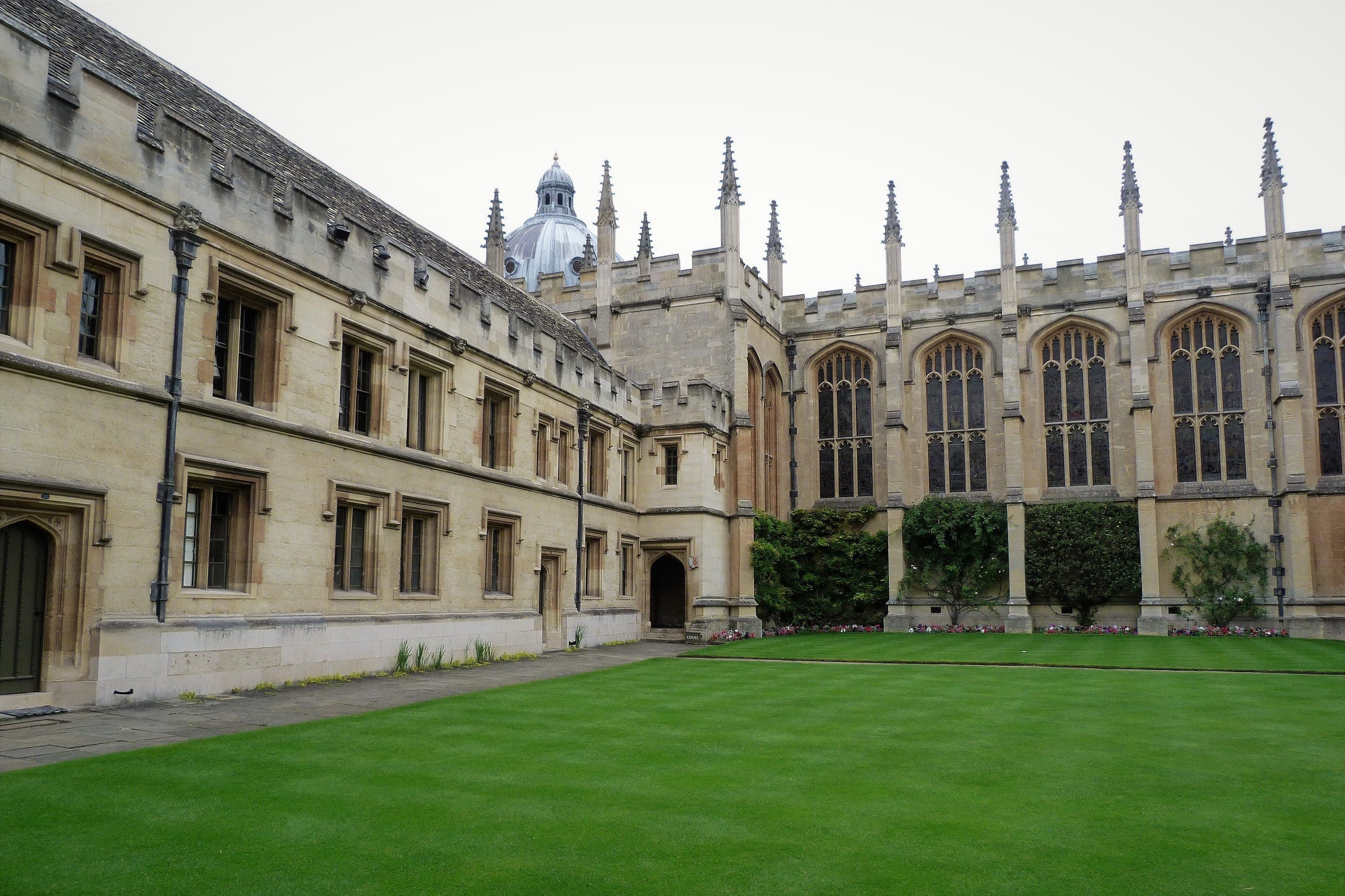
Oxfordはカレッジ制であり、ここで使用するデータは協会・恒久的私立学寮を含む43カレッジを対象としています。Philosophy and Theologの場合、現在の中央コース・カレッジリストにはChrist Church、Harris Manchester College、Jesus College、Keble College、Lady Margaret Hall、Mansfield College、Oriel College、Pembroke College、Regent's Park College、St John's College、St Peter's College、Worcester College、Wycliffe Hallが含まれます。
Oxfordはその年のコースへの出願が比較的少ないカレッジに選考通過者を再配分するため、オープン出願者は同様のカレッジに割り当てられます。カレッジ選択データによると、約5分の1の受験生がオープン出願を行い、約3分の1の合格者が指定しなかったカレッジからオファーを受け取っています。
カレッジの選択は居住環境やチュートリアルコミュニティに影響しますが、カレッジはすべて共通の入試フレームワークに従っているため、合格への近道とは考えないでください。カレッジは実際的な理由で選ぶことをお勧めします。宿舎、規模、立地、希望のコースを提供しているかどうかを基準にしてください。
Section 13
Philosophy and Theology専用のセクター別就職データは確認されなかったため、以下のキャリアデータはOxford人文学部のデータをラベル付きの代替データとして使用しています。コースページのキャリア情報とセクター代替データは、特定の学位が特定のキャリアに直結するという保証としてではなく、幅広い進路の文脈として読んでください。
移転可能なスキルは規律ある解釈力です。注意深く読み、主張と証拠を切り分け、論証から導かれる結論を書く力です。これは法律、教育、公共政策、ジャーナリズム、コンサルティング、金融、チャリティ活動、さらなる学術研究において有用ですが、入手可能なデータはそれらの進路についてPhilosophy and Theology専用のパーセンテージを提供していません。
Section 14
Oxfordは文脈的データを使って達成度を背景の中で理解しますが、それは学術水準を代替するものではありません。英国の受験生の場合、文脈的情報には学校の成績、学校平均と比較した個人の成績、地域指標、11歳以降の給食無償化(Free School Meals)経験、ケア経験、および進学拡大フラグが含まれる場合があります。
最も恵まれない背景を持つ受験生は、オファーを満たす可能性があり、必要なテストで適切なパフォーマンスを発揮できると証拠が示す場合、ショートリストへの強い推薦を受ける場合があります。Philosophy and Theologには2027年入学の入試テストはありません。GCSEやIGCSEの成績はこのコースでは必須ではなく、GCSEを受験していない受験生の場合、教師の推薦と学内データが文脈を提供するのに役立ちます。
Watch & Learn
学生ブログ・模擬面接・講義体験・入試アドバイス。
Official Oxford-style demonstration interview.
Introduces a central argument in philosophy of religion.
Starting point for analysing the problem of evil.
Open Yale Hebrew Bible lecture.
Connects philosophical texts with modern evidence.
All videos are the property of their respective creators.
Further Reading
専門講師が推薦するSupercurricular読書リスト・ウェブサイト・ツール。