

Year
01 / 04
1
Biochemistry foundations
基礎的な分子・細胞・定量生化学
細胞・分子・メカニズム・物理・定量生化学の共通言語を習得します。

概要
Oxford生化学(分子・細胞)は4年制MBiochem(C700)課程で、化学ともう一つの理科または数学を含むA*AAのオファーが標準となっています。本コースは、細胞・分子・メカニズム・物理・定量生化学の基礎から、ブロック形式による2〜3年次の授業へと発展し、4年次には研究プロジェクトに取り組みます。
なぜOxfordでBiochemistryを?
UK大学ランキング表示については、生化学専門ではなく、Oxford の Complete University Guide 生物/生命科学の代理ランク(2位)を使用しています。
日本語で学ぶための実践ガイド
面接や出願書類では、知識の量だけでなく、考え方を筋道立てて説明する力が見られます。次の流れで、授業や読書の内容を自分の言葉に変えてみましょう。
設問の動詞を確認し、何を説明・比較・証明するのかを一文で書きます。
授業ノートや資料から、主張を支える具体例を二つ選びます。
結論、根拠、理由の順で答え、最後に問いへ戻します。

Section 01
下のマップで自国をクリックすると、出願に必要な情報(受け入れられる資格、要求スコア、英語要件、現地の文脈)が表示されます。
International Applicants
Pick a highlighted country to see the admissions-test, score, and English-language requirements that apply for applicants from that country.
Section 02
| Qualification | Typical Offer | Key Requirements |
|---|---|---|
| A-Level | A*AA | Chemistry required. Mathematics, Biology, Physics recommended. |
Section 03
YEAR 12
コースの適性を確認する
Check course fit and required Chemistry plus another science or Mathematics; build academic evidence of informed interest.
JUN - SEP
UCAS出願書類を作成する
Draft UCAS materials, secure academic reference and check predicted/achieved grades against A*AA.
1 SEP
UCAS出願受付開始
Completed 2027-entry UCAS applications can be submitted from 1 September 2026; no Oxford admissions test or written work for this course.
15 OCT
UCASを提出する
Oxford deadline is 15 October 2026 at 6pm UK time.
MID NOV - EARLY DEC
書類選考と面接招待
Oxford colleges usually notify applicants between mid-November and early December; Biochemistry usually shortlists roughly three applicants per place.
EARLY - MID DEC
オンライン面接を受ける
Shortlisted applicants attend online academic interviews in December 2026.
12 JAN
Oxfordの合否通知を受け取る
Shortlisted candidates for 2027 entry receive decisions via UCAS on 12 January 2027, with colleges following up later.
2 JUN
オファーへの返答
For applicants who receive all decisions by 12 May 2027, the standard UCAS reply deadline is 2 June 2027.
12 AUG
結果と合格確認
A-level results are provisionally scheduled for 12 August 2027; Oxford confirms places for offer-holders who meet conditions.
YEAR 12
コースの適性を確認する
Check course fit and required Chemistry plus another science or Mathematics; build academic evidence of informed interest.
JUN - SEP
UCAS出願書類を作成する
Draft UCAS materials, secure academic reference and check predicted/achieved grades against A*AA.
1 SEP
UCAS出願受付開始
Completed 2027-entry UCAS applications can be submitted from 1 September 2026; no Oxford admissions test or written work for this course.
15 OCT
UCASを提出する
Oxford deadline is 15 October 2026 at 6pm UK time.
MID NOV - EARLY DEC
書類選考と面接招待
Oxford colleges usually notify applicants between mid-November and early December; Biochemistry usually shortlists roughly three applicants per place.
EARLY - MID DEC
オンライン面接を受ける
Shortlisted applicants attend online academic interviews in December 2026.
12 JAN
Oxfordの合否通知を受け取る
Shortlisted candidates for 2027 entry receive decisions via UCAS on 12 January 2027, with colleges following up later.
2 JUN
オファーへの返答
For applicants who receive all decisions by 12 May 2027, the standard UCAS reply deadline is 2 June 2027.
12 AUG
結果と合格確認
A-level results are provisionally scheduled for 12 August 2027; Oxford confirms places for offer-holders who meet conditions.
Section 04

Biochemistry(University of Oxford)の2027年度入試では、出願者に書面の入試テストは課されません。出願は推薦書・成績・パーソナルステートメント・提出物・面接で評価されます。
Always verify on the official Oxford admissions tests page.
Section 05
Interview Invitation
Late Nov
Arrival to Interview
Early Dec
Technical Question
Mid Dec
Decision
Early Jan
Interview Invitation
Late Nov
Arrival to Interview
Early Dec
Technical Question
Mid Dec
Decision
Early Jan
Question Types You’ll See
Oxford生化学の面接は、準備済みの回答を披露するのではなく、問題解決を中心としたチュートリアル形式の学術的対話です。
面接では、生化学への関心・関連する科学的テーマを分析する力・未知の情報からの推論・論理的思考と問題解決・学校レベルの化学・生物・数学・物理の活用が問われます。
見慣れない図・メカニズム・短い実験概要を使った練習を積みましょう。優れた回答は、明確な推論の流れ、方向修正への意欲、そして未知のことを率直に認める誠実さを兼ね備えています。
Biochemistryを含む全学科の模擬面接練習問題バンクで本番さながらの問題を練習しましょう。
無料練習問題 →
Section 06
Oxfordは生化学の合否を、利用可能な場合には文脈データも踏まえて、学業記録・予測成績・Personal Statement・推薦状・面接実績を総合的に判断して決定します。本コースには入試テストも書面提出も不要です。
現実的には、最もバランスの取れた準備とは、強固な学業成績・Personal Statementにおける明確な科目への関わりの証拠・支持的な学業推薦状・分子・細胞・定量的推論を活用した面接練習を組み合わせることです。
Our recommendation · weighting of admission factors
Oxbridge Mentors recommendation, drawn from observed offer patterns. University of Oxford does not publish official weightings - exact balance varies by college, course and year.
Section 07

生化学のPersonal Statementでは、一般的な生物学出願や「科学全般への関心」に見えるような文章は避けてください。Oxfordのコースは分子・細胞生物学と化学・物理生化学・定量的推論を組み合わせているため、分子・メカニズム・データ・細胞をどのように結びつけているかを示す必要があります。
力強い段落は、一つの具体的な問いから始まるとよいでしょう。タンパク質構造が機能を変える仕組み、膜がシグナル伝達を形成するメカニズム、酵素が反応経路を制御するプロセス、あるいは実験デザインが解釈に与える影響など、様々な切り口があります。何を読み、何を理解し、何に戸惑い、次に何をしたかを丁寧に説明しましょう。
本コースには定量・物理生化学が含まれるため、化学・数学・データ分析によって生物学的問いへの理解が変わった例を少なくとも一つ含めてください。多くの活動を羅列するだけでは不十分で、思考がどのように発展したかを示すことの方が重要です。
Section 08
Supercurricular(教科関連の発展的学習)を通じて学校のシラバスを超えた学びを積みましょう。読書・動画視聴・ポッドキャスト・講演参加・短期コース・コンクールへの参加、そして自分の考えが変わった体験を振り返ることが大切です。Oxfordのアドバイスは「探求・関与・振り返り」を行うことで、タイトルを並べるだけよりも、一つか二つの資料について深く考察する方が通常は効果的です。生化学においては、分子生物学・遺伝学・酵素学・構造生物学・細胞シグナル伝達・代謝・バイオテクノロジー・疾患メカニズムなどが有力な選択肢です。問いかけた内容・説得力のある証拠・化学・生物・数学・物理との関連性についてメモを残しておきましょう。
コンクールは強い出願に必須ではありませんが、知的好奇心と科目への自発的な取り組みを示す機会となります。

Section 09
Year
01 / 04
1
基礎的な分子・細胞・定量生化学
細胞・分子・メカニズム・物理・定量生化学の共通言語を習得します。
Year
02 / 04
2
5つの科目スレッドによるブロック形式授業
生化学的問いを中心に据えた1週間単位のブロック学習。
Year
03 / 04
3
上級統合生化学およびPart I最終試験
Part Iのブロック形式をより深く掘り下げ、Part I最終試験へと向かいます。
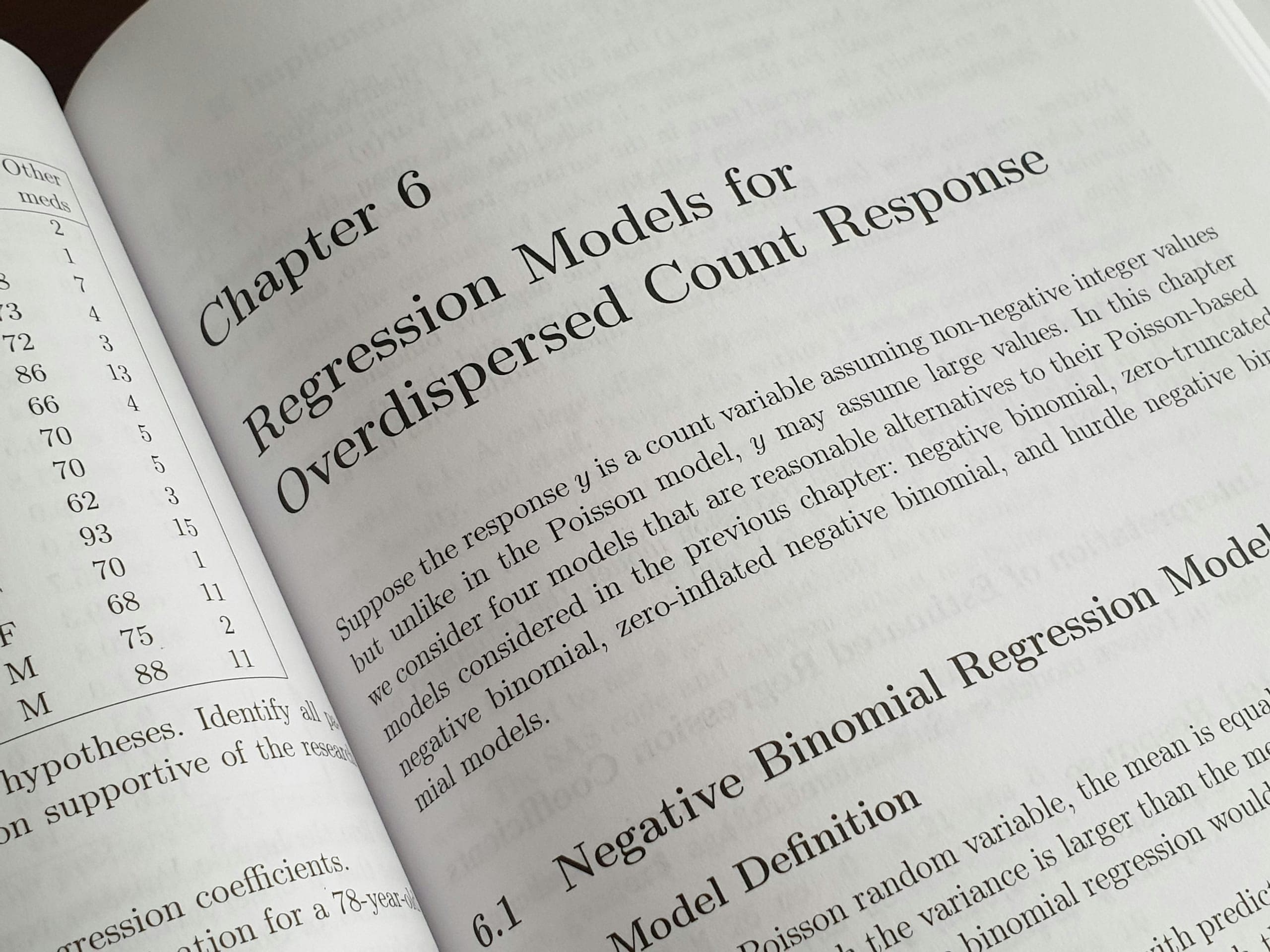
Year
04 / 04
4
統合型修士研究年次
通常は研究グループ内での本格的な研究プロジェクトに加え、レビュー論文の執筆と高度なスキル訓練を行います。
Section 10
コースで試験・授業に用いられる5つのスレッド(細胞生化学・分子生化学・メカニズム生化学・物理生化学・定量生化学)を中心に科目知識を構築しましょう。有効な準備とは、「何が起きているか?」だけでなく、「分子レベルの証拠は何か?何が解釈を変えるのか?」と問い続けることです。
面接準備では、グラフ・実験結果・見慣れない分子について口頭で説明する練習を積みましょう。
実践的な準備方法として、メカニズム・証拠・不確実性(その系が何をするか、研究者がどう知るか、残る問いは何か)を軸にノートを整理すると効果的です。Personal Statementのネタを蓄えながら、新しいデータを会話の中で思考する習慣も身につきます。
Biochemistry: A Very Short Introduction John Nurmi著。大学レベルの内容に不慣れな出願者に向けて、学問をコンパクトに解説しています。より深く学ぶには、 Molecular Biology of the Cell Alberts他著は標準的な大学教科書です。タンパク質構造・膜・細胞周期に関する前半の章が最もとっつきやすい入門ポイントです。
動画については、iBiologyがCRISPR・タンパク質折りたたみ・シグナル伝達など、Oxford面接が求める水準の研究レベル講義を第一線の生化学者が行った動画を公開しています。 MIT OpenCourseWare では生化学の完全な録画講義シリーズを無料で視聴できます。
最新研究の把握には、 Nature Podcast が生物学・生化学分野の影響力の高い論文を毎週解説しています。Nature BiochemistryまたはPNASの論文のアブストラクトと結論を週に一本読み、一段落のサマリーを練習すると面接でのスムーズな発言につながります。

Section 11
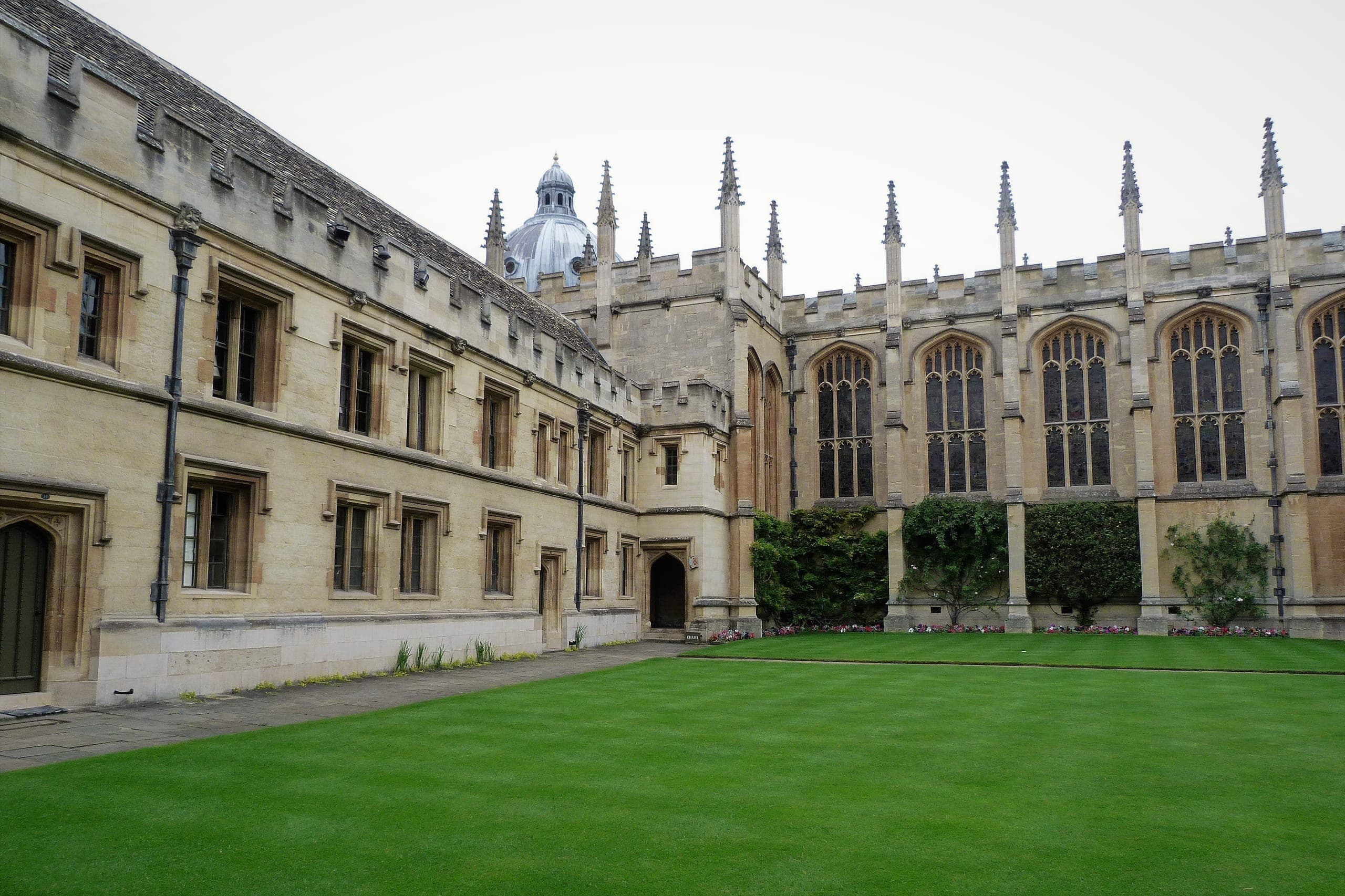
25 colleges offer this subject.
Oxfordのコースページでは、カレッジを指定するかオープン出願を選ぶよう求めており、出願前にそのコースを提供しているカレッジを確認するよう案内しています。生化学(分子・細胞)には公式で25のカレッジが対応しています。
カレッジ選択を入試で有利になるための手段として考えるべきではありません。場所・宿泊環境・雰囲気・バリアフリー対応・科目提供状況などの実際的な理由で選ぶか、強い希望がなければオープン出願を活用してください。
生化学科のオープンオファー制度では、条件を満たした一部の候補者が大学とカレッジの入学が保証される場合があり、具体的なカレッジは結果と空き状況が判明する8月以降に決定します。これはUCAS段階でのオープン出願とは異なる制度です。
Section 12
Oxfordは生化学の進路として、バイオテクノロジー・製薬、学術研究、教育、法律、金融、データサイエンス、出版など幅広い分野を挙げています。Discover Uniのデータは公式ですが、サンプルが小さいという点に留意が必要です。就業/進学状況全体で40名、雇用者の職種で20名の回答者に基づいており、修了15ヶ月後に80%が就業・進学、雇用者の90%がハイスキル職に就いていると報告されています。
出願者にとって最も重要なのは、この学位が一つの職業に直結するわけではないということです。本コースは分子科学・実験的思考・データ解釈、そして4年次の充実した研究プロジェクトを組み合わせた課程です。
Section 13
Oxfordの生化学合否は、利用可能な場合には文脈データも考慮しながら、出願書類全体の学業内容に基づいて判断されます。
文脈情報は、成績と機会に関する説明的証拠として最も有効に機能するものであり、コースの科目要件に代わるものではありません。UCAS推薦状と学校情報に、重大な支障・科目の選択肢の限界・学業記録に関係する教育的事情を明確に記載するようにしましょう。
Watch & Learn
学生ブログ・模擬面接・講義体験・入試アドバイス。
Official University of Oxford video introducing the Biochemistry (Molecular and Cellular) course.
Oxford undergraduate admissions demonstration interview for Biochemistry.
Oxford-linked lecture resource for applicants exploring biochemical mechanisms beyond school study.
All videos are the property of their respective creators.
Further Reading
専門講師が推薦するSupercurricular読書リスト・ウェブサイト・ツール。