
Year
01 / 04
1
Integrated biomedical science foundation
基礎
1年次では、分子・細胞・システム・行動の各トピックにわたる現代生物医学の統合的基礎を学びます。講義・チュートリアル・数学/統計スキル授業・実習を組み合わせることで、概念的・実験的両面の基礎を構築します。
概要
Oxford生物医学(BC98)は単独の3年または4年制課程で、標準オファーはA*AAかつ2027年入学にはESATが必要です。統合型の生物医学サイエンスとチュートリアル・実験室実習を組み合わせ、後に細胞・システム生物学または神経科学に特化し、任意でMBiomedSci研究年次も選択できます。
なぜOxfordでBiomedical Sciencesを?
Oxford生物医学は医学部とは別のOxfordの独立した学部コースとして記載されており、BAまたはMBiomedSciが学位オプションとなっています。疾患・神経科学・生理学・遺伝学・細胞メカニズムをOxfordのチュートリアル形式の学術的対話・実践的実験室実習・後の研究選択肢を通じて科学的に学びたい出願者に適しており、臨床訓練コースとは異なります。
日本語で学ぶための実践ガイド
面接や出願書類では、知識の量だけでなく、考え方を筋道立てて説明する力が見られます。次の流れで、授業や読書の内容を自分の言葉に変えてみましょう。
設問の動詞を確認し、何を説明・比較・証明するのかを一文で書きます。
授業ノートや資料から、主張を支える具体例を二つ選びます。
結論、根拠、理由の順で答え、最後に問いへ戻します。

Section 01
下のマップで自国をクリックすると、出願に必要な情報(受け入れられる資格、要求スコア、英語要件、現地の文脈)が表示されます。
International Applicants
Pick a highlighted country to see the admissions-test, score, and English-language requirements that apply for applicants from that country.
Section 02
| Qualification | Typical Offer | Key Requirements |
|---|---|---|
| A-Level | A*AA | Biology or Chemistry, One other science/maths required. |
Section 03
YEAR 12 - SEP
基礎固め、UCAS、カレッジ選択、推薦状
Develop scientific reading, data-handling confidence and subject motivation through Year 12, then prepare UCAS, college choice, reference planning and ESAT booking before the September/October deadlines.
20 JUL - 28 SEP
ESATを予約する
Create/register your UAT-UK account and book the October ESAT sitting for Biomedical Sciences. Oxford lists ESAT for 12-16 October 2026, with booking closing at 6pm UK time on 28 September 2026.
12 - 16 OCT
ESATを受験する
Biomedical Sciences applicants sit the October 2026 ESAT. Oxford says all applicants must take ESAT, and ESAT results will be considered when shortlisting candidates for interview.
15 OCT
UCASを提出する
Submit the UCAS application for Biomedical Sciences (BC98) by 6pm UK time on 15 October 2026. Late applications to Oxford are not normally considered.
LATE NOV
書類選考と面接の連絡を待つ
Oxford’s general timeline places shortlisting from the end of November. Current course information states ESAT results are considered when shortlisting, and the recent departmental statistics page reported 140 shortlisted applicants in the 2025 admissions round.
EARLY - MID DEC
オンライン面接を受ける
Shortlisted candidates for 2027 entry are expected to have online interviews in December 2026. Oxford has recently interviewed at two colleges.
12 JAN
Oxfordの合否通知を受け取る
Oxford states that 2027-entry applicants will receive their decision via UCAS on 12 January 2027, with colleges following up directly later that day.
2 JUN
すべての合否が出たらオファーへ返答する
UCAS states that, for 2027 entry, applicants who receive all decisions by 12 May 2027 must reply by 2 June 2027 unless using Extra.
AUG
成績と入学を確認する
If your offer is conditional, your final place depends on meeting the conditions of the offer when results are released. Check the exact results day when it is published.
YEAR 12 - SEP
基礎固め、UCAS、カレッジ選択、推薦状
Develop scientific reading, data-handling confidence and subject motivation through Year 12, then prepare UCAS, college choice, reference planning and ESAT booking before the September/October deadlines.
20 JUL - 28 SEP
ESATを予約する
Create/register your UAT-UK account and book the October ESAT sitting for Biomedical Sciences. Oxford lists ESAT for 12-16 October 2026, with booking closing at 6pm UK time on 28 September 2026.
12 - 16 OCT
ESATを受験する
Biomedical Sciences applicants sit the October 2026 ESAT. Oxford says all applicants must take ESAT, and ESAT results will be considered when shortlisting candidates for interview.
15 OCT
UCASを提出する
Submit the UCAS application for Biomedical Sciences (BC98) by 6pm UK time on 15 October 2026. Late applications to Oxford are not normally considered.
LATE NOV
書類選考と面接の連絡を待つ
Oxford’s general timeline places shortlisting from the end of November. Current course information states ESAT results are considered when shortlisting, and the recent departmental statistics page reported 140 shortlisted applicants in the 2025 admissions round.
EARLY - MID DEC
オンライン面接を受ける
Shortlisted candidates for 2027 entry are expected to have online interviews in December 2026. Oxford has recently interviewed at two colleges.
12 JAN
Oxfordの合否通知を受け取る
Oxford states that 2027-entry applicants will receive their decision via UCAS on 12 January 2027, with colleges following up directly later that day.
2 JUN
すべての合否が出たらオファーへ返答する
UCAS states that, for 2027 entry, applicants who receive all decisions by 12 May 2027 must reply by 2 June 2027 unless using Extra.
AUG
成績と入学を確認する
If your offer is conditional, your final place depends on meeting the conditions of the offer when results are released. Check the exact results day when it is published.
Section 04

2027年入学に向けてOxfordの公式コース情報では、生物医学の出願者全員がEngineering and Science Admissions Test(ESAT)を受験する必要があると明記しています。必須ESATモジュールは数学1に加えて、生物・化学・数学2・物理の中から任意の2つです。
ESATはUAT-UKによってPearsonの世界的なプロテストセンターネットワークを通じて実施されます。Oxford出願者は10月の試験回を使用し、試験期間は2026年10月12〜16日と記載されています。
10月の試験の予約は2026年9月28日午後6時(BST)に締め切られます。2026年10月の試験結果は2026年11月16日に発表される予定です。
国際出願者にとってこのテストが重要なのは、Oxfordが異なる学校制度や資格にわたって出願者を比較するための手段をもう一つ提供しているためです。Oxfordのコース情報では、ESATの結果が生物医学の候補者の書類選考時に考慮されると明記しており、UAT-UKはESATに合格/不合格のスコアはないと述べています。実践的な準備は、時間的プレッシャーの下での正確さ・明確な科学的推論・学校の最も得意な科目に合わせた2つの任意モジュールの選択に集中しましょう。
ESAT完全対策ガイド | 試験形式・採点・戦略・練習リソース。
ESATガイド →Section 05
Interview Invitation
Late Nov
Arrival to Interview
Early Dec
Technical Question
Mid Dec
Decision
Early Jan
Interview Invitation
Late Nov
Arrival to Interview
Early Dec
Technical Question
Mid Dec
Decision
Early Jan
Question Types You’ll See
Oxfordの面接ガイダンスでは、面接は短いチュートリアルに似た学術的な対話であると説明しています。
最も強い準備は模範解答の暗記ではありません。
面接官は証拠評価・論理的かつ創造的思考・生物・化学・数学・物理にわたる推論・明確なコミュニケーション・好奇心・持続的な作業能力の証拠を求めています。最初の文から確信を持って聞こえるよう振る舞うよりも、新しい情報が提示された時に思考をどのように修正するかを示すことが役立ちます。
Biomedical Sciencesを含む全学科の模擬面接練習問題バンクで本番さながらの問題を練習しましょう。
無料練習問題 →
Section 06
生物医学については、合否判断は数式ではなく全体的な学術的判断として理解するのが最適です。
質的な評価基準には、学業成績・理科と数学の可能性・証拠評価・問題解決・コミュニケーション・好奇心・コミットメントが含まれます。
実践的には、出願書類のすべての部分が同じ方向を向くようにすることが目標です。優れた成績・一貫した科目選択・ESATの準備・面接での推論・具体的なPersonal Statementはすべて、強烈な生物医学コースに対応できることを示すものであるべきです。
Our recommendation · weighting of admission factors
Oxbridge Mentors recommendation, drawn from observed offer patterns. University of Oxford does not publish official weightings - exact balance varies by college, course and year.
Section 07

医学寄りのPersonal Statementを書かないでください。生物医学はサイエンスのコースですから、あなたのStatementはメカニズム・実験・不確実性・証拠についてどのように考えるかを示すものでなければなりません。
2〜3つの生物医学的アイデアを選んで深く掘り下げることが効果的です。例えば、遺伝学と疾患メカニズムの結びつき、免疫学と実験的証拠の関係、神経科学と行動・測定の関連など、様々なアプローチが考えられます。
量より振り返りが大切です。論文・講義・データセットを通じて自分の考えが変わったことを説明する一文は、書籍リストを長々と並べるよりも通常は効果的です。
読書と好奇心がコースの幅と一致していることを示しましょう。Oxfordのコースは1年次に分子・細胞・システム・行動のトピックを幅広くカバーし、その後、細胞・システム生物学または神経科学への専門化が可能になります。
専門家の解説付き完全例文を見る。
Biomedical Sciences PS例文 →Section 08
Supercurricular(教科関連の発展的学習)を通じて学校のシラバスを超えた学びを積みましょう。読書・動画視聴・ポッドキャスト・講演参加・短期コース・コンクールへの参加、そして自分の考えが変わった体験を振り返ることが大切です。Oxfordのアドバイスは「探求・関与・振り返り」で、一つか二つの資料について深く考察する方が通常はタイトルを並べるリストより効果的です。生物医学においては、神経科学・生理学・薬理学・免疫学・遺伝学・発生生物学・細胞シグナル伝達・病理学・実験手法などが役立つ分野です。論文やアクセスしやすいレビューを読む場合、専門的な詳細を暗記しようとするのではなく、問い・手法・結果・限界に焦点を当てると効果的です。
コンクールは強い出願に必須ではありませんが、教室を超えた知的好奇心と自発的な取り組みを示す機会となります。

Section 09
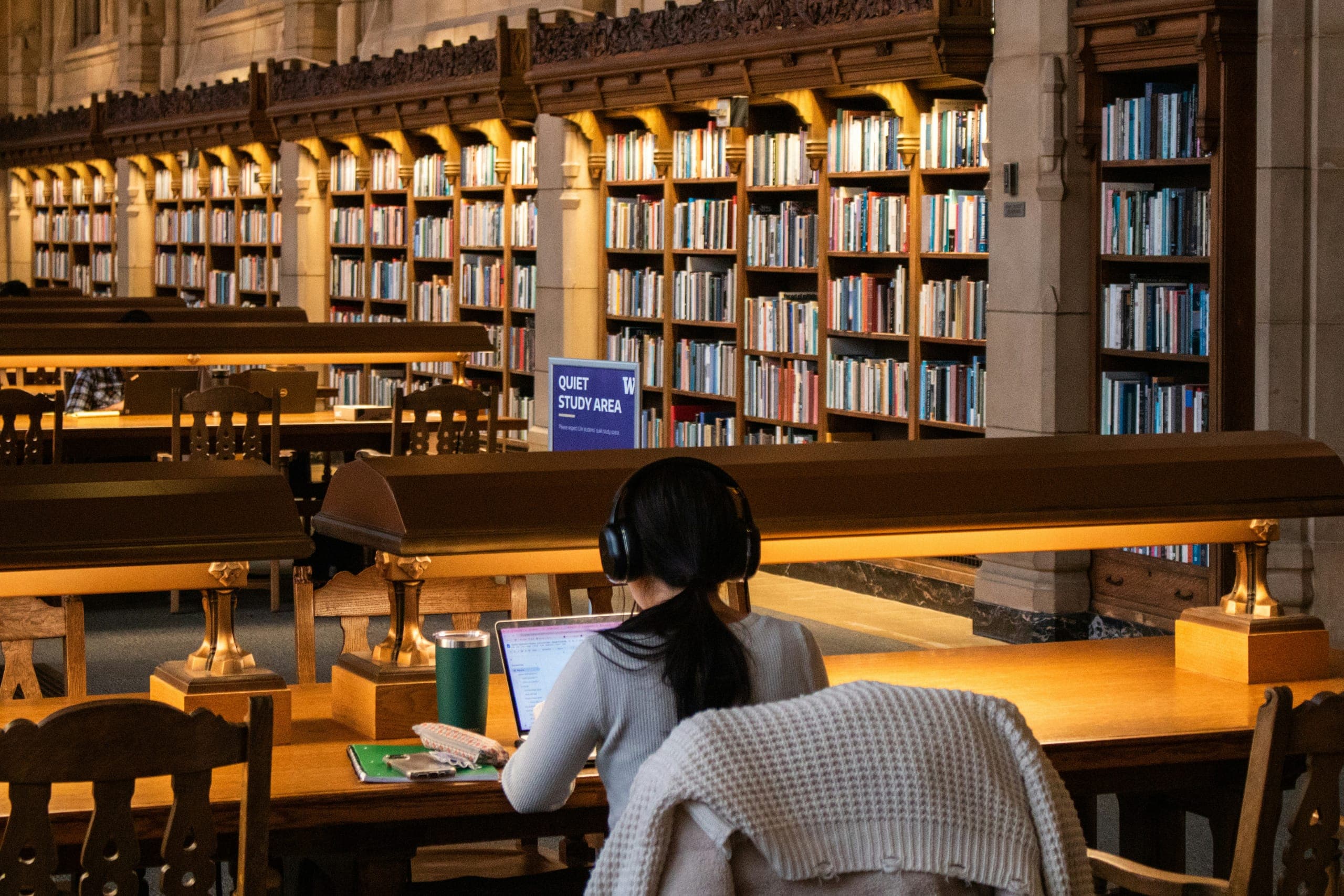
Year
01 / 04
1
基礎
1年次では、分子・細胞・システム・行動の各トピックにわたる現代生物医学の統合的基礎を学びます。講義・チュートリアル・数学/統計スキル授業・実習を組み合わせることで、概念的・実験的両面の基礎を構築します。
Year
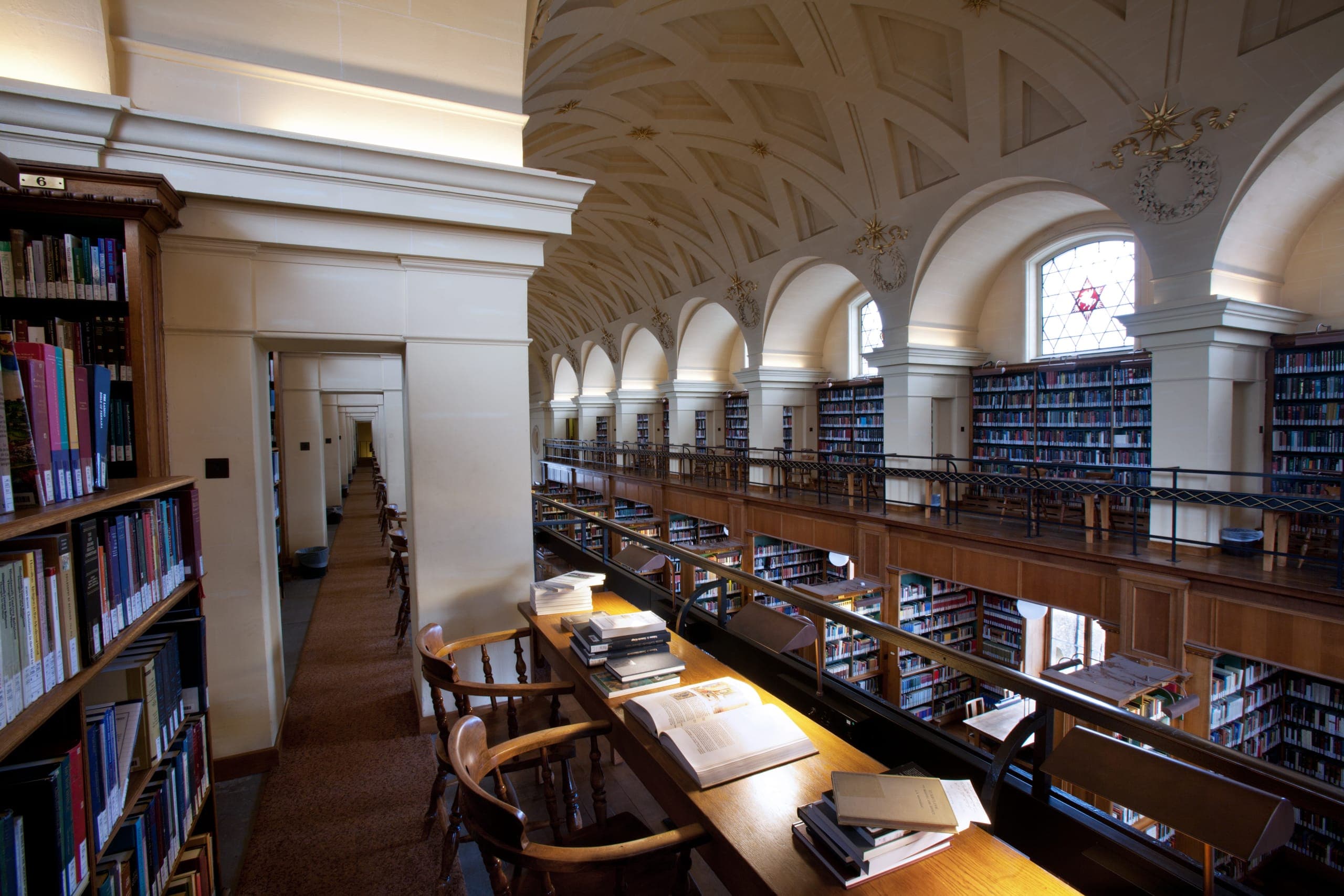
02 / 04
2
幅広さと早期の専門化
2年次は共通基礎から豊富な生物医学の科目領域へと移行します。学生は合計10ユニットのコースを選択し、実習と実験室中心の活動を通じて実験研究への移行を始めます。
Year
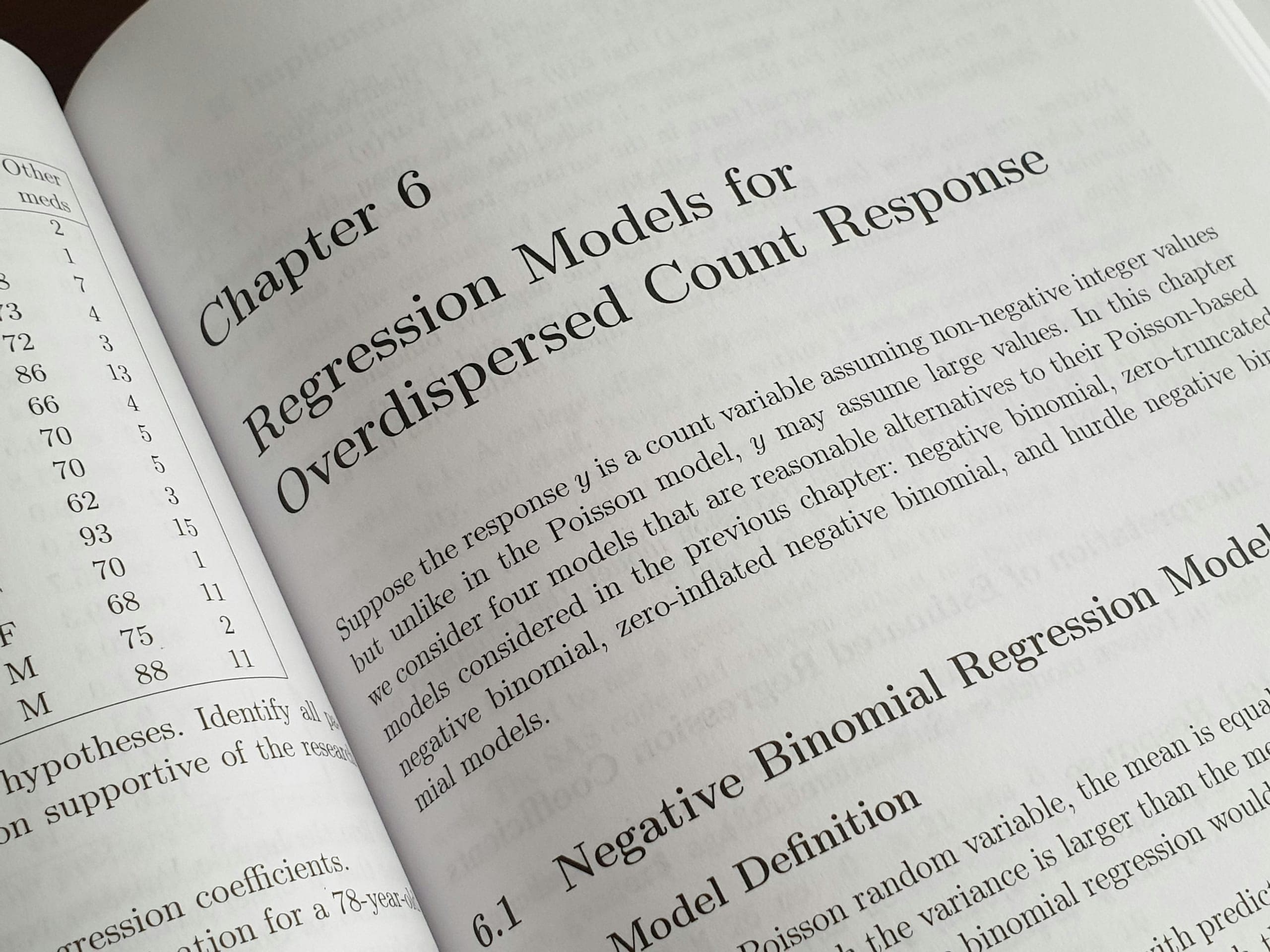
03 / 04
3
発展的選択科目とBA修了
3年次は専攻した専門分野の発展的学習を中心に、研究と連動したコースワークが組み合わされます。学生はBAが細胞・システム生物学または神経科学のどちらで授与されるかを決める選択科目を履修します。
Year
04 / 04
4
任意の研究重視型修士年次
4年次に進む学生は、ほぼ全期間を通じて延長研究プロジェクトとレビュー論文に取り組み、神経科学または細胞・システム生物学のMBiomedSciを取得します。
Section 10
分子・細胞生物学については、MIT OCW 7.012入門生物学が生化学・遺伝学・分子生物学・細胞生物学への厳密なオープンコースのルートを提供しています。HHMI BioInteractiveクラスルームリソースは、受動的な視聴よりもデータ豊富な活動や研究と連動した解説を求めるときに役立ちます。
読書については、 The Gene: An Intimate History が遺伝・分子生物学・倫理的問いを結びつけるのに役立ちます。 Bad Science は根拠の薄い主張・不十分な統計・欠陥のある医学報告に対する証拠リテラシーを養うのに役立ちます。
神経科学については、Medical Neuroscienceが中枢神経系の機能的組織と神経生理学への詳細なルートを提供しています。 Armando Hasudungan は解剖学・生理学・病理学・医学的メカニズムを手書きで分かりやすく説明するのに役立ちます。
最新研究の習慣については、 Nature Podcast がNatureのジャーナリストと編集者による毎週の研究ストーリーと科学ニュース分析を提供しています。This Week in Virologyは感染症生物学と新たな証拠からの推論を深く理解するためのルートです。

Section 11
30 colleges offer this subject. 12% of applicants submit an open application. 33% of places come through the pool.
生物医学では、2025年入試において12%の出願者がオープン出願を提出しました。
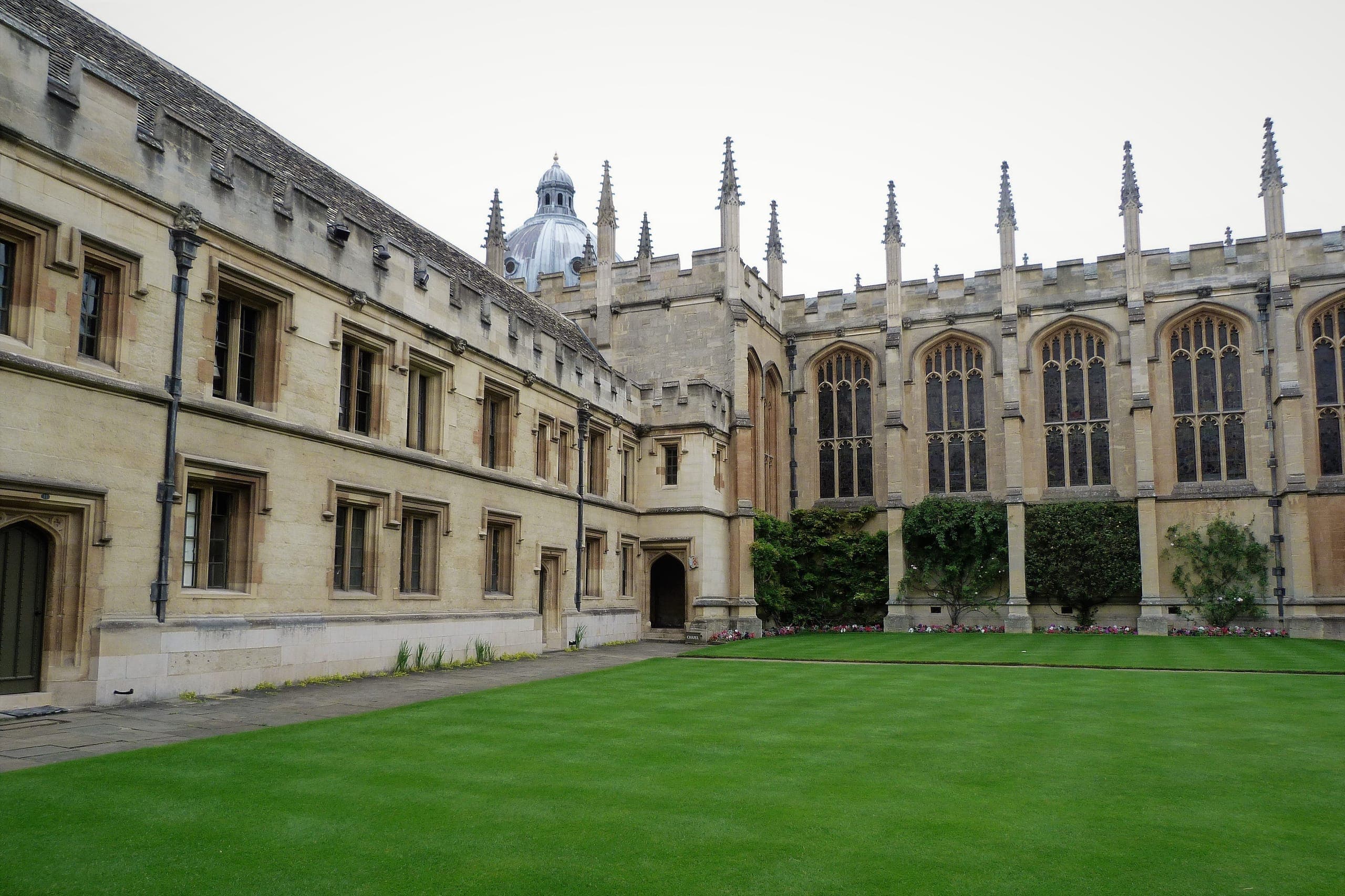
カレッジの選択は出願が最初にどこで処理され、学生がどこで暮らし・チュートリアルのサポートを受け・コミュニティに参加するかに影響しますが、Oxford学位の内容は変わりません。カレッジが生物医学に特化していることはなく、講義・実習・試験・多くの学術リソースは学科または大学全体で運営されています。
Oxfordは各カレッジ間の公平性を保つために再配分を使用しています。2025年の生物医学入試では、希望カレッジまたは最初の割り当て以外のカレッジからオファーが出た割合は33%でした。
実際的な理由(コースの開設状況・場所・宿泊環境・バリアフリー対応・雰囲気)でカレッジを選ぶことをお勧めします。入試で有利になると思われるカレッジを選ぼうとしても一般的には効果がありません。
Section 12
Oxfordのコース固有の2023年即座の進路スナップショットでは、生物医学の卒業生20名中8名が修士課程へ、3名が博士課程(PhD/DPhil)へ、1名が医学部大学院へ、6名がコンサルタントや研究助手などの雇用に進んだと報告されています。これは小規模な即時進路のスナップショットであり長期的な保証ではありませんが、この学位が更なる科学的訓練と就職の両方に多くつながることを示しています。
Section 13
Oxfordは成績をできる限りその成績が得られた文脈の中で考慮すると述べています。2025年の生物医学入試では、医学科学部門の統計ページで、書類選考前にカレッジ横断の文脈情報パネルと文脈的な学校GCSE成績審査が行われたと報告されています。
科目の選択肢が重要です。生物医学にはGCSEの正式要件はありませんが、生物・化学・物理・数学を高いレベルで履修していない候補者はそれらの科目またはその同等科目の基礎教育が必要です。
個人の事情はチュータが成績と可能性を解釈する助けとなるものですが、科目の準備を代替するものではありません。学校が関連科目を提供していなかった場合や教育が中断された場合は、適切な出願チャネルを通じて文脈が明確に証拠づけられるよう努めてください。
Watch & Learn
学生ブログ・模擬面接・講義体験・入試アドバイス。
A BioInteractive short film using rock pocket mice to explain natural selection, evidence and adaptation.
A concise refresher on macromolecules and their biological roles.
An introductory MIT biology lecture useful for seeing university-style biological reasoning.
A research-level introduction to CRISPR-Cas9 and genome engineering from a leading scientist.
A visual introduction to intracellular processes and the scale of molecular cell biology.
All videos are the property of their respective creators.
Further Reading
専門講師が推薦するSupercurricular読書リスト・ウェブサイト・ツール。