

Year
01 / 04
1
Core civil engineering foundations
基礎
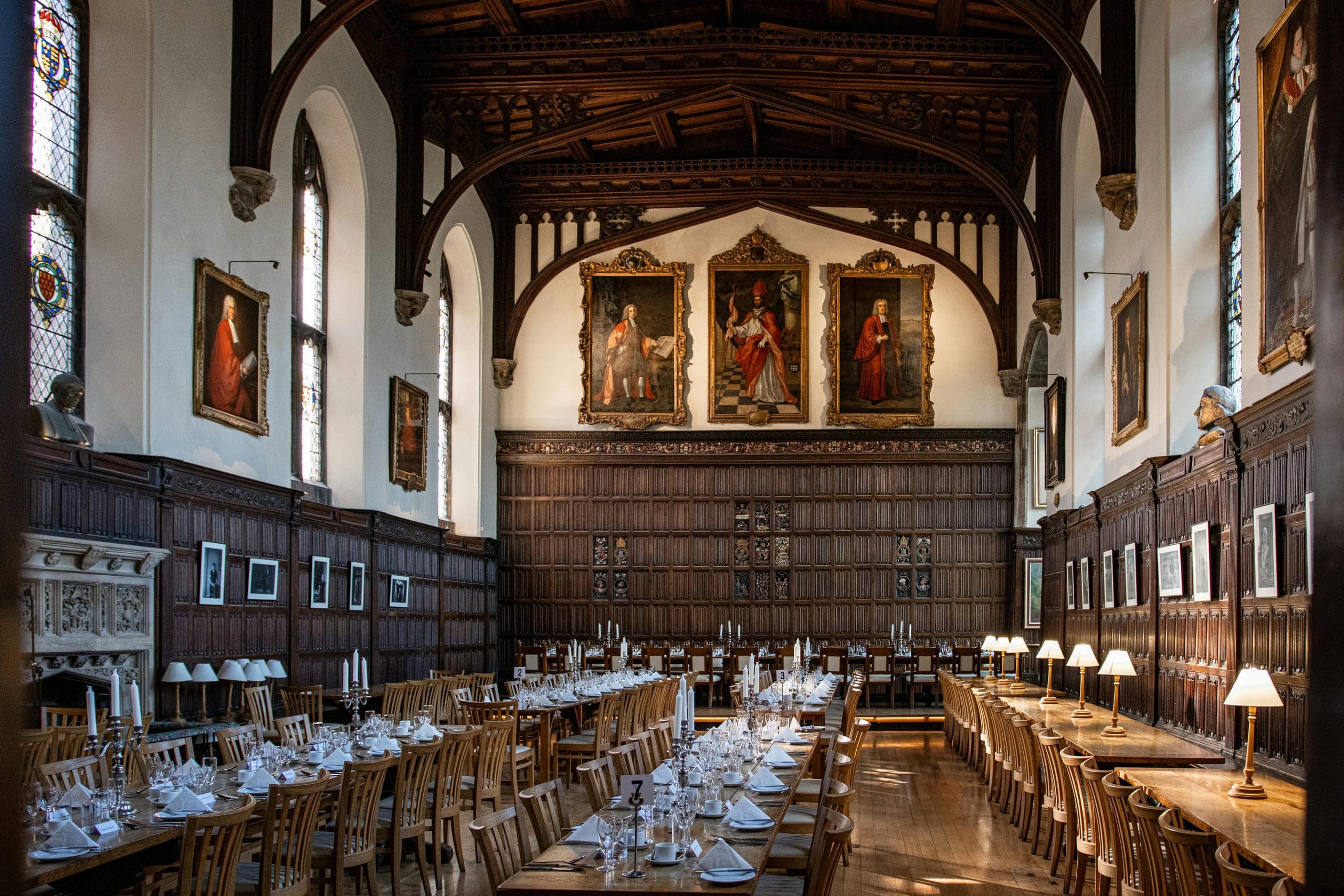
1年次はMEng全体の技術基盤を構築し、数学・力学・材料・流体力学・地盤工学・エネルギー・環境工学を学びます。専門的実践と設計作業は初年度から始まるため、学生は1年次から工学科学を実際の土木工学の問題と結びつけます。

概要
Imperial College LondonのCivil Engineering(UCASコード:H200 MEng / H201 BEng / H202 MEng(海外学習付き))は4年制MEng課程または3年制BEng課程で、土木環境工学科が運営しています。構造工学・地盤工学・水工学・環境工学・建設マネジメント・設計を幅広く学び、実験・設計プロジェクト・最終学年の個人プロジェクトが含まれます。ImpterialはESAT(Mathematics 1、Mathematics 2、Physics)を必須とし、標準的な選考では面接はありません。
なぜImperialでCivil Engineeringを?
Imperial は Civil Engineering において Guardian University Guide 2026 で第1位、Complete University Guide で第3位です。Guardian の表では Southampton が第2位、Bristol が第3位と、最も近い比較対象になります。科目表は毎年更新されるため、判断材料にする前に各発行元のページで最新の順位をご確認ください。
日本語で学ぶための実践ガイド
面接や出願書類では、知識の量だけでなく、考え方を筋道立てて説明する力が見られます。次の流れで、授業や読書の内容を自分の言葉に変えてみましょう。
設問の動詞を確認し、何を説明・比較・証明するのかを一文で書きます。
授業ノートや資料から、主張を支える具体例を二つ選びます。
結論、根拠、理由の順で答え、最後に問いへ戻します。

Section 01
下のマップで自国をクリックすると、出願に必要な情報(受け入れられる資格、要求スコア、英語要件、現地の文脈)が表示されます。
International Applicants
Pick a highlighted country to see the admissions-test, score, and English-language requirements that apply for applicants from that country.
Section 02
| Qualification | Typical Offer | Key Requirements |
|---|---|---|
| A-Level | A*A*A or A*AAA | A* in Mathematics, A/A* in Physics; A* is required if applying with three A-levels, and at least A is required if applying with four A-levels, A in a third/fourth subject required. General Studies, Critical Thinking not accepted.Students taking English exam board science A-levels will be required to pass the practical endorsement. |
| IB Diploma | 40 points overall | HL: 7 in Mathematics at higher level, 6 in Physics at higher level required.Mathematics: Analysis and Approaches or Applications and Interpretation are accepted at higher level with no preference. |
| Advanced Placement (AP) | 5, 5, 5 overall | 5 in Calculus BC, 5 in Physics, 5 in another subject required.If studying additional High School qualifications alongside Advanced Placements, requirements may apply to both sets of qualifications. |
Section 03
JUN - JUL
UAT-UKアカウントを作成し、ESATモジュールを計画する
UAT-UK account creation opens on 1 June 2026, and October ESAT booking opens on 20 July 2026. For Imperial Civil Engineering, select Mathematics 1, Mathematics 2 and Physics.
28 SEP
10月のESATを受験する場合は予約する
The October ESAT booking deadline is 28 September 2026 at 18:00 UK time. Access arrangements and bursary requests close earlier, so complete those well before booking closes.
12 - 16 OCT
10月のESATを受験する
The first ESAT test window runs from 12–16 October 2026. Results are released through the UAT-UK account on 16 November 2026.
OCT - 13 JAN
UCASの出願書類を提出する
UCAS applications can be submitted from 1 September 2026. For equal consideration, submit Imperial College London I50, MEng Civil Engineering H201 by 13 January 2027 at 18:00 UK time.
4 NOV / 27 JAN
招待を受けた場合はCivil Engineeringの説明会セッションに参加する
Imperial search extracts indicate Civil Engineering insight sessions on 4 November 2026 for applications received by 15 October and 27 January 2027 for other applicants. This remains an insight-session stage, not a verified live interview.
21 DEC - 8 JAN
必要に応じて1月のESATを受験する
January ESAT booking closes on 21 December 2026 at 18:00 UK time, and the test window runs from 4–8 January 2027. Results are released on 8 February 2027.
MAR - MAY
Imperialの判定を確認する
UCAS says providers should aim to send decisions on 13 January applications by 31 March 2027, with the final decision deadline on 12 May 2027. If no provider decision is received by then, UCAS marks the outstanding choice unsuccessful.
2 JUN
オファーへの返答
If all university decisions are received by 12 May 2027, the UCAS reply deadline is 2 June 2027. Choose a firm and, where appropriate, an insurance choice before the deadline.
19 AUG
試験結果を受け取り、入学を確定させる
A-level results day is provisionally 19 August 2027; check the exact date when it is published. UCAS confirmation and any results-day actions follow once exam results are released.
JUN - JUL
UAT-UKアカウントを作成し、ESATモジュールを計画する
UAT-UK account creation opens on 1 June 2026, and October ESAT booking opens on 20 July 2026. For Imperial Civil Engineering, select Mathematics 1, Mathematics 2 and Physics.
28 SEP
10月のESATを受験する場合は予約する
The October ESAT booking deadline is 28 September 2026 at 18:00 UK time. Access arrangements and bursary requests close earlier, so complete those well before booking closes.
12 - 16 OCT
10月のESATを受験する
The first ESAT test window runs from 12–16 October 2026. Results are released through the UAT-UK account on 16 November 2026.
OCT - 13 JAN
UCASの出願書類を提出する
UCAS applications can be submitted from 1 September 2026. For equal consideration, submit Imperial College London I50, MEng Civil Engineering H201 by 13 January 2027 at 18:00 UK time.
4 NOV / 27 JAN
招待を受けた場合はCivil Engineeringの説明会セッションに参加する
Imperial search extracts indicate Civil Engineering insight sessions on 4 November 2026 for applications received by 15 October and 27 January 2027 for other applicants. This remains an insight-session stage, not a verified live interview.
21 DEC - 8 JAN
必要に応じて1月のESATを受験する
January ESAT booking closes on 21 December 2026 at 18:00 UK time, and the test window runs from 4–8 January 2027. Results are released on 8 February 2027.
MAR - MAY
Imperialの判定を確認する
UCAS says providers should aim to send decisions on 13 January applications by 31 March 2027, with the final decision deadline on 12 May 2027. If no provider decision is received by then, UCAS marks the outstanding choice unsuccessful.
2 JUN
オファーへの返答
If all university decisions are received by 12 May 2027, the UCAS reply deadline is 2 June 2027. Choose a firm and, where appropriate, an insurance choice before the deadline.
19 AUG
試験結果を受け取り、入学を確定させる
A-level results day is provisionally 19 August 2027; check the exact date when it is published. UCAS confirmation and any results-day actions follow once exam results are released.
Section 04

Imperial Civil Engineeringは2027年度入学においてESAT(Engineering and Science Admissions Test)を必須としています。必要なESATモジュールはMathematics 1、Mathematics 2、Physicsです。
ESATはUAT-UKが提供し、Pearson VUEがテストセンターを通じて実施します。10月の試験ウィンドウは2026年10月12〜16日、1月の試験ウィンドウは2027年1月4〜8日です。
アカウント作成・アクセス手続き・奨学金申請は2026年6月1日(英国夏時間15:00)より開始;10月予約は2026年7月20日(英国夏時間15:00)開始;1月予約は2026年10月26日(英国標準時15:00)開始。10月予約受付は2026年9月28日(英国夏時間18:00)に、1月予約受付は2026年12月21日(英国標準時18:00)に締め切られます。
Oxbridgeではない大学へのUAT-UK機関の出願者は10月または1月のどちらかを選択できますが、各出願サイクルにつきESATを受験できるのは1回のみです。10月の試験結果は2026年11月16日に、1月の試験結果は2027年2月8日に発表されます。
ESATを学業記録・UCAS出願と並ぶ実質的な選考材料として扱ってください。このパスでImperial Civil EngineeringのESATについて、公式のスコアカットオフ・比重・コース固有の基準は確認されていません。
これは公表されたカットオフが存在しないということではありません。出願者はESATの準備を後回しにするのではなく、数学・物理の復習と同じ計画の中に組み込んでください。
ESAT完全対策ガイド | 試験形式・採点・戦略・練習リソース。
ESATガイド →Section 05
Imperial Civil Engineeringの面接は通常2名の学術スタッフが担当し、約20〜30分です。面接官は力学・構造・応用数学に関する問題を使って数学・物理的推論を試します。目的は、あなたが既に答えを知っているかどうかではなく、見慣れない問題にどのようにアプローチするかを確認することです。
よく出る面接トピックとして、静力学・構造挙動・応力とひずみ・流体力学・A-Level以上の数学的問題解決が挙げられます。面接官は見慣れない問題を提示し、設定方法・推論の確認・促された際のアプローチの修正を観察することがあります。数値の正確さと物理的直観の両方が求められます。
難しい力学・数学の問題に取り組む練習をしましょう。Isaac PhysicsとA-Level Further Mathematicsのグレード A* レベルの問題集が良い基準点です。自分の解答過程を明確に説明する練習をし、不確かな部分も含めて説明できるようにしましょう。実際の土木工学の失敗事例(タコマナローズ橋やRonan Pointなど)を読んで何が問題だったかを分析することで、面接官が求める物理的な工学的直観を養えます。

Section 06
2027年度入学のImperial Civil Engineering選考は、強い数学・物理の証拠と必須のESATに裏付けられた総合的な学術審査として提示されるべきです。UCASは総合的な評価と関連する場合のテスト結果の活用を確認していますが、Imperialはこのコースについて固定の比重配分式を公表していません。
実際には、出願書類のどか一部分だけを「挽回手段」として扱うことは避けてください。安定したプロファイルを構築するのが有効です。数学・物理の高い成績、真剣なESAT対策、一般的な建物への関心ではなく土木工学的な思考を示すPersonal Statementが鍵となります。
Our recommendation · weighting of admission factors
Oxbridge Mentors recommendation, drawn from observed offer patterns. Imperial College London does not publish official weightings - exact balance varies by college, course and year.
Section 07

Civil EngineeringのPersonal Statementは、荷重・リスク・材料・水・地盤条件・輸送・持続可能性・公共価値についてどう考えるかを示すときに最も効果的です。あらゆる分野を網羅しようとするのではなく、1〜2つの具体的な例を使うことが有効です。
Imperialのコースは、力学・構造力学・材料・流体力学・地盤工学・エネルギーおよび環境工学を含む核心的な技術分野から始まります。優れたPersonal Statementは、学位レベルの詳細を既に知っているふりをすることなく、読んだ内容・プロジェクト・観察をそうした基礎につなげることができます。
例を土木工学として認識できるものにしましょう。一般的なSTEMではなく具体的に、例えば橋・排水路・斜面・建設現場・低炭素材料の比較を荷重経路・構造力学・土質力学・水資源・工学地質と結びつけ、計算・検証・再考したことを説明してください。
数学・物理・問題解決が好きだという内容だけのパラグラフは避けましょう。土木工学はきれいなスローガンではなくトレードオフに満ちているため、検証・計算・観察・考えを変えたことについて書く方が効果的です。
専門家の解説付き完全例文を見る。
Civil Engineering PS例文 →Section 08
プロジェクトは具体的な分析対象を与えてくれるため有用です。Civil Engineeringでは最良のプロジェクトは通常、制約(荷重・スパン・コスト・炭素・水流・土・安全性・維持管理)を持っています。
プロジェクトの提示方法:
良いプロジェクトの方向性として以下が挙げられます:
その他のSupercurricularは同じ証拠を強化するものであるべきです。数学的流暢さ・物理的推論・工学的判断・明確な技術コミュニケーションを高めましょう。
これらの活動は出願をサポートするものであり、必須の数学・物理・ESAT対策の代わりにはなりません。
コンペティションは必須ではありません。通常の宿題よりも明確な制約の中で、見慣れない数学・物理の問題に挑む力を伸ばします。
コンペティションはいずれも必須ではありません。1〜2つを丁寧に仕上げる方が、5つを中途半端に取り組むより価値があります。

Section 09
Year
01 / 04
1
基礎
1年次はMEng全体の技術基盤を構築し、数学・力学・材料・流体力学・地盤工学・エネルギー・環境工学を学びます。専門的実践と設計作業は初年度から始まるため、学生は1年次から工学科学を実際の土木工学の問題と結びつけます。

Year
02 / 04
2
統合的な応用
2年次は必修科目のみで構成されますが、より応用的な土木工学の解析・設計・プロジェクト管理へと移行します。構造・流体力学・土質力学・工学地質・水資源・計算・統計・ビジネス・プロジェクト管理の基礎を深化させます。
Year
03 / 04
3
専門分野への分岐が始まる
3年次は高度な必修モジュールと最初の正式な選択科目が組み合わさります。設計・計算解析・構造・流体力学・地盤工学・環境工学・輸送システムを引き続き学びながら、2つの選択グループからレベル7の専門選択科目を選びます。
Year
04 / 04
4
研究と習熟
4年次は個人研究プロジェクトと完全な選択制の教育モジュールが中心です。5つの高度なモジュールを選択でき、構造・地盤工学・水・輸送・環境工学・流体力学・システム解析などの分野で特定のプロファイルを構築できます。
Section 10
まずは『Civil Engineering: A Very Short Introduction』で幅広く、構造挙動については『Structures: Or Why Things Don't Fall Down』を、 The New Science of Strong Materials を材料に、工学的判断と社会的ニーズには『The Essential Engineer』を活用しましょう。
力学・システム・インフラのケーススタディ・専門的な土木工学の視点をつなぎ合わせるには、 Practical Engineering 、The Engineering MindsetとInstitution of Civil Engineersを活用してください。
最新の業界状況については、The Engineers Collective、The Infrastructure Podcast、The Civil Engineering Podcast、ICE Tech Talksを聴くことが有用です。土木工学は工事・維持管理・気候・政策・公共リスクにも関わるからです。
コース形式に近い学習には、Engineering Mechanics I、Mechanics of Materials、Engineering Mechanics、Engineering Statics - Open & Free、Introduction to Engineering Mechanicsを試してみましょう。各トピックをImperial形式の基礎に対応付けて選択的に活用してください。静力学・力学は1年次の力学と構造力学1に、材料は構造挙動に、流体力学はその後の水・環境工学に対応します。

Section 11
Imperial Civil Engineering卒業生は専門的・技術的な業務に強く集中しているようであり、2023年の最大の就職先セクターとして「専門・科学・技術活動」が記録され、「建設業」も可視化されたセクターとして挙げられています。Discover Uniは独自に、MEng Civil Engineering卒業生の85%が修了15ヵ月後に就業・就学していると報告していますが、サンプルサイズが小さいため、保証としてではなく目安として扱うべきです。
キャリアチャートは進路の方向性を示す指標として活用してください。土木工学者が実際に行っているモデリング・設計・現場制約・安全・持続可能性・インフラ整備・専門家以外との意思疎通に関心があるかを考える価値があります。
Section 12
UCASによれば、Imperialは総合的なアプローチを採用し、関連する場合はテスト結果も考慮することがあります。コンテクスト型入試の記述では、選考担当者は学生の成績による潜在能力の証明を妨げる障壁を考慮する場合があると述べています。
コンテクストの考慮は、必要に応じたMathematics・Physics・ESAT・英語力の証明の必要性をなくすものではありません。工学的充実活動が限られた学校に通っている出願者は、数学・物理・モデリング・読書・プロジェクト・インフラのケーススタディを通じた自主的な取り組みを証拠として示すべきです。
Civil Engineeringの自主的な取り組みは実践的かつ身近なものでも構いません。橋・擁壁・排水路・道路交差点・建設現場・洪水リスク地域を観察し、そこに関わる荷重・地盤条件・水の経路・材料の選択・維持管理上の制約を説明してみましょう。計算やスケッチを含む小さなプロジェクトは、インフラに関心があるという漠然とした主張よりもずっと説得力があります。
Watch & Learn
学生ブログ・模擬面接・講義体験・入試アドバイス。
Introduces geotechnical and structural reasoning behind foundations, loads and stability.
Explains lateral earth pressure, drainage and common retaining-wall failure modes.
Clarifies a core civil-engineering material distinction and why the mix matters.
A case-study video on dam failure, design assumptions and infrastructure risk.
MIT OpenCourseWare introduction to solid mechanics concepts relevant to structures.
All videos are the property of their respective creators.
Further Reading
専門講師が推薦するSupercurricular読書リスト・ウェブサイト・ツール。