
Year
01 / 04
1
taught Chemistry foundation
Core modules: Taught Chemistry content, Mathematical and practical preparation within the MChem structure.
概要
Oxford化学はUCASコードF100の4年制MChem課程です。
標準A-levelオファーはA*A*Aで、化学と数学を含み、両方のA*は理科科目および/または数学での取得が必要です。
Oxfordは化学に入試テスト・書面提出・ポートフォリオを設けていません。
これにより、出願はUCAS書類・達成および予測成績・文脈情報・面接実績への依存度が異例に高くなっています。Personal Statementと面接準備を、どれだけ多くのトピックを集めたかの表示ではなく、どのように考えるかの証拠として扱うことをお勧めします。
なぜOxfordでChemistryを?
Oxford化学は自然科学のルートではなく、専門的な理科の学位です。確認されているコースの正式名称はMChem Chemistryであり、コースは4年間続きます。
日本語で学ぶための実践ガイド
面接や出願書類では、知識の量だけでなく、考え方を筋道立てて説明する力が見られます。次の流れで、授業や読書の内容を自分の言葉に変えてみましょう。
設問の動詞を確認し、何を説明・比較・証明するのかを一文で書きます。
授業ノートや資料から、主張を支える具体例を二つ選びます。
結論、根拠、理由の順で答え、最後に問いへ戻します。

Section 01
下のマップで自国をクリックすると、出願に必要な情報(受け入れられる資格、要求スコア、英語要件、現地の文脈)が表示されます。
International Applicants
Pick a highlighted country to see the admissions-test, score, and English-language requirements that apply for applicants from that country.
Section 02
| Qualification | Typical Offer | Key Requirements |
|---|---|---|
| A-Level | A*A*A | Chemistry, Mathematics required. Further Mathematics, Physics recommended. |
Section 03
Spring–summer 2026
化学と数学の受験資格を確認する
Confirm that the chosen qualification route includes Chemistry and Mathematics in a form Oxford accepts for Chemistry.
UCAS 2027 cycle opening period
UCAS出願書類の作成を始める
September–early October 2026
Personal Statementとカレッジ選択を最終確認する
Use the final weeks before the Oxford deadline to check the UCAS form, academic evidence, contextual information and college/open-application choice.
15 October 2026
UK時間午後6時までにUCAS出願を提出する
Same UCAS deadline as UK applicants: 15 October, 18:00 UK time. For 2027 entry, the Oxford course page lists 15 October 2026.
Late November–early December 2026
面接の連絡を待つ
Chemistry shortlisting uses the UCAS application, including contextual data. Check the exact 2026 subject timetable dates on the official course page.
Early to mid December 2026
書類選考通過者が化学の面接を受ける
The current Oxford interview timetable page says 2026 interview timetables are not yet available and displays 2025 subject-specific timetables.
12 January 2027
Oxfordが合否を発表する
The Oxford decisions page was used for the 12 January 2027 decision release date.
After decisions in 2027
条件を満たしてUCASの返答ガイダンスに従う
Spring–summer 2026
化学と数学の受験資格を確認する
Confirm that the chosen qualification route includes Chemistry and Mathematics in a form Oxford accepts for Chemistry.
UCAS 2027 cycle opening period
UCAS出願書類の作成を始める
September–early October 2026
Personal Statementとカレッジ選択を最終確認する
Use the final weeks before the Oxford deadline to check the UCAS form, academic evidence, contextual information and college/open-application choice.
15 October 2026
UK時間午後6時までにUCAS出願を提出する
Same UCAS deadline as UK applicants: 15 October, 18:00 UK time. For 2027 entry, the Oxford course page lists 15 October 2026.
Late November–early December 2026
面接の連絡を待つ
Chemistry shortlisting uses the UCAS application, including contextual data. Check the exact 2026 subject timetable dates on the official course page.
Early to mid December 2026
書類選考通過者が化学の面接を受ける
The current Oxford interview timetable page says 2026 interview timetables are not yet available and displays 2025 subject-specific timetables.
12 January 2027
Oxfordが合否を発表する
The Oxford decisions page was used for the 12 January 2027 decision release date.
After decisions in 2027
条件を満たしてUCASの返答ガイダンスに従う
Section 04

Chemistry(University of Oxford)の2027年度入試では、出願者に書面の入試テストは課されません。出願は推薦書・成績・パーソナルステートメント・提出物・面接で評価されます。
Always verify on the official Oxford admissions tests page.
Section 05
Interview Invitation
Late Nov
Arrival to Interview
Early Dec
Technical Question
Mid Dec
Decision
Early Jan
Interview Invitation
Late Nov
Arrival to Interview
Early Dec
Technical Question
Mid Dec
Decision
Early Jan
Question Types You’ll See
化学の面接は、準備済みの事実の暗唱ではなく、問題解決の対話として捉えましょう。不確かな時も含めて、推論の各ステップを声に出して説明する練習が役立ちます。
最新の化学入試報告書では、書類選考通過者全員が少なくとも2回の面接を受け、一部は2つ目のカレッジで追加面接を受けたことが確認されています。同じ注意点から、このページはすべての出願者が正確に2回の面接を受けると記すべきではありません。
現実には、強い準備とは質問を予測することよりも、見慣れないデータ・メカニズム・グラフ・定量的問いに慣れることです。難しい化学の問題をゆっくり解いて、その後メモなしで声に出して繰り返すことをお勧めします。
Chemistryを含む全学科の模擬面接練習問題バンクで本番さながらの問題を練習しましょう。
無料練習問題 →
Section 06
Oxford化学の書類選考では、文脈データを含むUCAS書類全体が考慮され、入試基準に対して出願が評価されました。2024年サイクルでは1,093件の出願のうち678件が書類選考を通過しました。
一つの要因だけでオファーが出るわけではありません。2024年のプロセスでは、書類選考と面接段階の後に213件のオファー(オープンオファーを含む)が出ました。
文脈情報は入試チュータが成績を解釈する助けとなりますが、オファーのための化学と数学の科目条件を満たす必要性に代わるものではありません。
Our recommendation · weighting of admission factors
Oxbridge Mentors recommendation, drawn from observed offer patterns. University of Oxford does not publish official weightings - exact balance varies by college, course and year.
Section 07

強いPersonal Statementは、化学的問題をどのように考えるかを示すものであるべきです。化学と数学が必須であるため、定量的推論によって化学的説明がどのように変わったかを示すことが有効です。
書籍・講義・コンクールのカタログを並べることは避けましょう。例えば、有機メカニズムが楽しかったと述べるだけでなく、2つの反応条件を比較することで求核性・立体効果・反応速度についての見方がどのように変わったかを説明しましょう。2〜3つの経験を選び、それがどんな問いを生んだか、どのようにフォローアップし、何をより深く理解できたかを説明することをお勧めします。
Oxfordにとって、Personal Statementは成績や面接実績の代替ではありません。自分が独自に探求した化学の全体像をコンパクトに示すものとして最も役に立ちます。
専門家の解説付き完全例文を見る。
Chemistry PS例文 →Section 08
Oxford化学出願者に適した3つの独立したプロジェクトアイデアは、メカニズムの深掘り・配位化学の研究・持続可能な合成のミニレビューです。
優れたプロジェクトには実験室でのプレースメントは必要ありません。具体的な問い・明確な方法・化学が複雑になった時に考えを変えたという証拠が必要です。
プロジェクトの発表方法:
A-Levelを超えたメカニズムの深掘り:求核置換・求電子付加・カルボニル化学などの一つの反応族を選び、大学レベルの読書を使ってメカニズム・エネルギープロファイル・立体化学的結果・条件を比較します。
色・結合・配位化学:遷移金属錯体がなぜ異なる色を示すかを調べます。配位子場の概念・酸化状態・形状・分光法を結びつけ、配位子が置換された時に何が変わるかの短い説明を加えましょう。
持続可能な合成ミニレビュー:馴染みのある化合物または材料を選び、原子経済性・危険性・エネルギー使用・溶媒選択・収率を用いて2つの考えられる合成経路を比較します。事実のポスターではなく、小規模な文献レビューとして扱いましょう。
Supercurricular(教科関連の発展的学習)活動は、単に活動のリスト作りではなく、あなたの思考力を向上させるものでなければなりません。役立つ準備には問題解決・数学的流暢さ・実験的思考・読書・一般向け科学などが含まれます。
これらの活動は出願を支援するものであり、必要な学術条件に代わるものではありません。
コンクールは必須ではありません。それらが優れているのは、見慣れない化学・数学・物理的推論に挑戦させてくれることです。
必須ではありません。一つか二つをしっかりやり遂げることが、中途半端に五つ取り組むより価値があります。

Section 09
Year
01 / 04
1
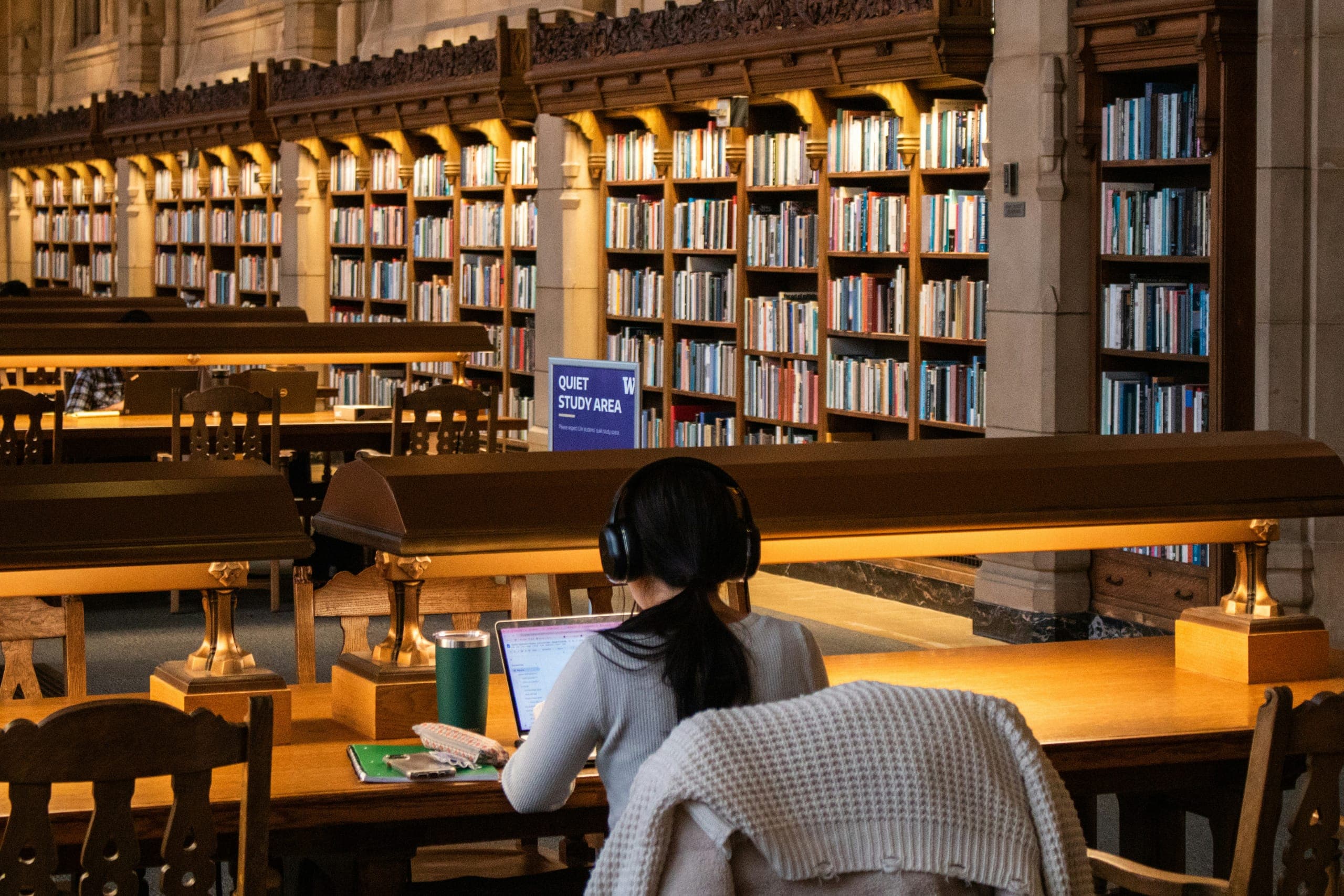
Core modules: Taught Chemistry content, Mathematical and practical preparation within the MChem structure.
Year
02 / 04
2
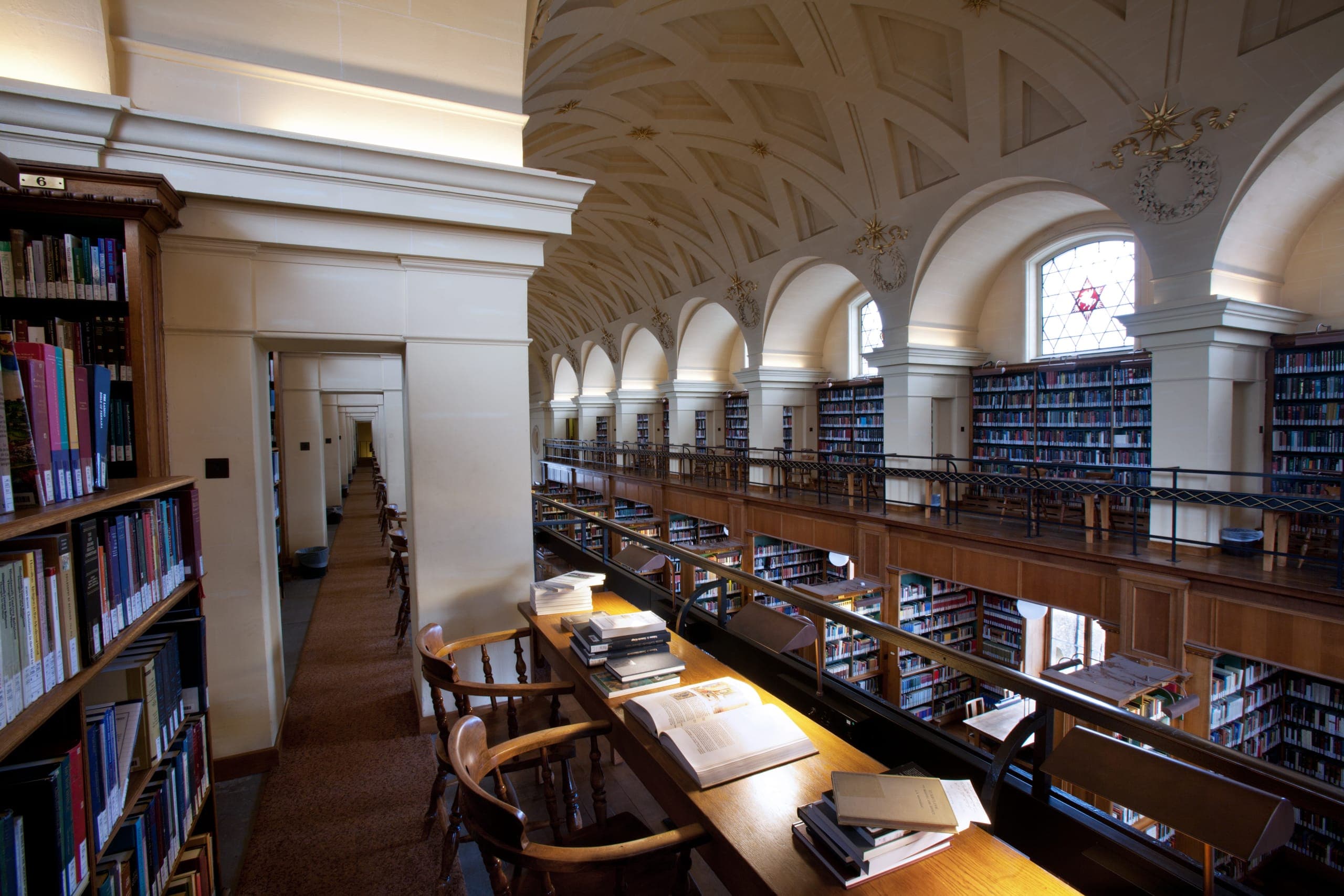
4年次研究プロジェクト前の検証済み授業段階が続きます。未検証のモジュール名は掲載しないでください。
Year
03 / 04
3
確認済みのコース構造資料では、Part IIまでに3つの授業年次があることが確認されています。詳細な論文名は別途検証後にのみ追加してください。
Year
04 / 04
4
確認済みのOxford化学コース構造資料では、MChem4年次にPart II研究プロジェクトがあることが確認されています。
Section 10
まずは「Why Chemical Reactions Happen」から始めましょう。学校の化学からメカニズム・熱力学・分子的説明への力強い橋渡しとなります。
「Organic Chemistry」:大学スタイルの有機的推論とメカニズムへの要求の高いが報われる入門書です。
「Atkins' Physical Chemistry」:物理化学を高いレベルでサンプリングしたい数学的に自信のある出願者に役立ちます。
「Molecules」:分子構造と日常的な物質や広い化学的好奇心を結びつける読みやすい方法です。
「The Periodic Table」:化学の文化と人間的意味への文学的・省察的なルートです。
動画学習には、無機物のパターンと実験を結びつけたい時にPeriodic Videosが役立ちます。 The Royal Institution は中心的な化学的論拠を抽出する練習ができる長めの一般講演に向いています。Professor Dave Explainshは難しい問題に進む前に学校レベルのトピックを整理するのに最も役立ちます。
最新の化学情報には、Chemistry World Podcast・Stereo Chemistry・The Episodic Table of Elementsが有用な出発点です。
体系的な学習には、Principles of Chemical Scienceが講義資料と問題集を備えた大学スタイルのシーケンスを提供しています。 Khan Academy の化学ライブラリは、カジュアルに閲覧するチャンネルとしてではなく、本質を固めるための体系的なコースとして活用するのが最善です。Introduction to Chemistry: Reactions and Ratiosは、化学量論と反応計算にさらに指導された練習が必要な場合に役立ちます。

Section 11
32 colleges offer this subject. ~10% of applicants submit an open application. ~33% of places come through the pool.
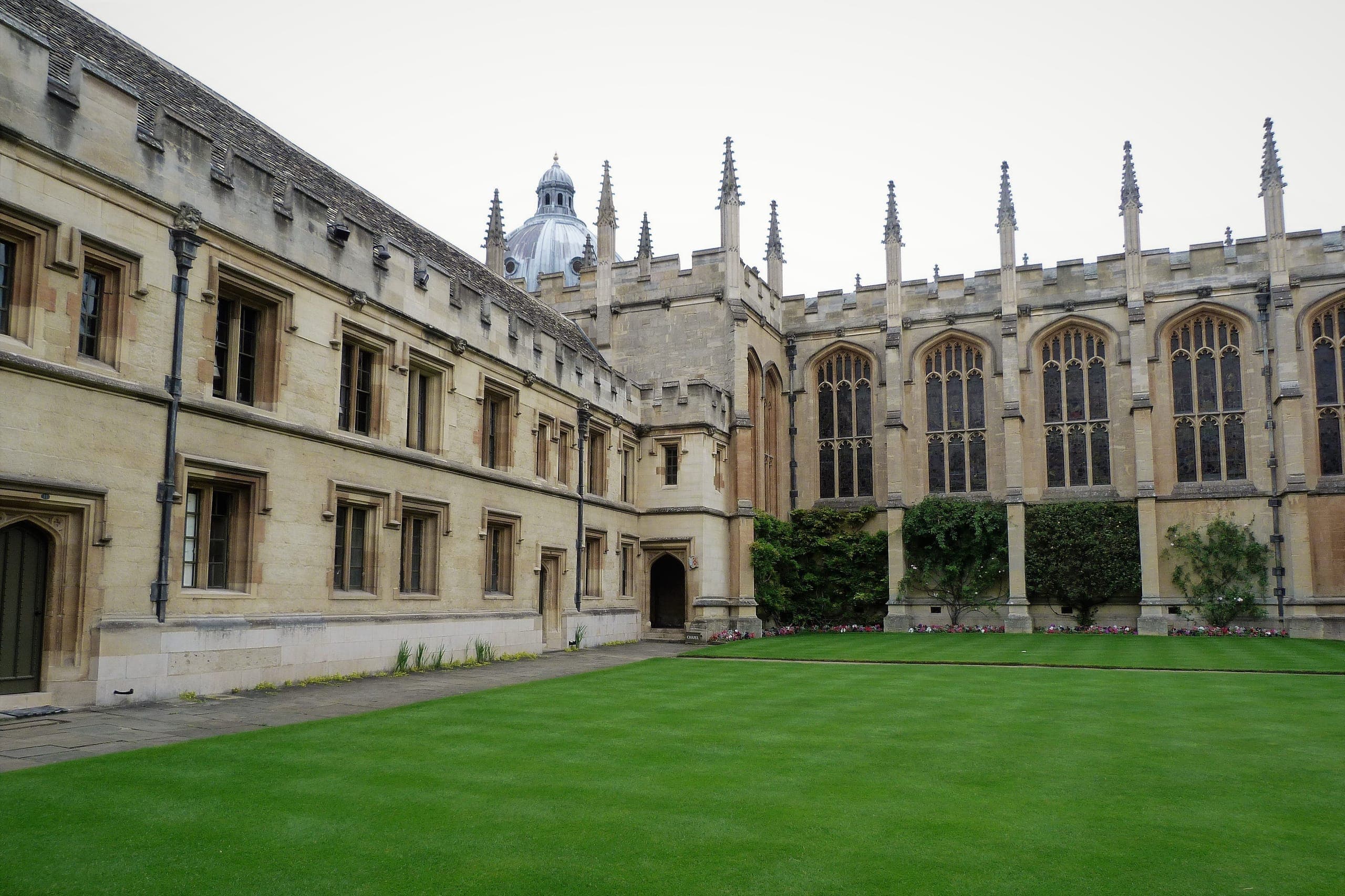
Oxfordには32の学部入学受け入れカレッジと恒久私立ホールがあります。出願者はカレッジを指定するかオープン出願を提出できます。
2024年サイクルの化学入試報告書では、1,093件の出願のうち114件がオープン出願で、約10%にあたります。Oxfordはまた、合格した出願者の約3分の1が指定しなかったカレッジからオファーを受け取っていると述べています。
再配分は各カレッジ間の競争を均等にするために使用され、優秀な出願者が空きと面接収容力のあるカレッジで検討されます。化学では、2024〜25年の入試報告書で面接前に108名の書類選考通過者が別のカレッジに再配分されたことが記録されています。
カレッジの選択はどこで暮らし・食事し・チュートリアルを受けコミュニティに参加するかに影響しますが、入試近道として扱うべきではありません。実際的な適合性・宿泊環境・場所・コミュニティで選ぶか、特に希望がなければオープン出願を提出してください。
Section 12
OxfordのChemistry卒業後進路の資料は、学科の説明と研究または進学への約55%という主張を支持しています。修了後15ヶ月での正確な就業率については、このページで検証されたデータではその数値が再現されていないため、出願者はDiscover Uniを直接ご確認ください。
現実には、化学は定量的推論・実験的思考・データ解釈・科学的コミュニケーションを組み合わせているため、選択肢を広く保っています。キャリアについては、狭い「Oxford化学の就職先」を主張するのではなく、スキルと業種で語ることをお勧めします。
Section 13
Oxfordは達成した成績を文脈の中で考慮し、教育的背景と個人的事情も含まれると述べています。化学入試プロセス報告書には、書類選考が文脈データを含むUCAS書類全体を考慮したと記されています。
Further MathematicsやPhysicsなど、推奨される関連科目を提供できなかった学校出身の出願者は、UCAS書類と学校推薦状で科目の選択肢の制限を明確にすべきです。これは、学校の成績・中断・科目の選択肢の制限・個人的な事情によって成績が影響を受けた場合に特に重要です。
文脈情報はチュータが成績を解釈する助けとなりますが、化学と数学の科目条件を満たす必要性に代わるものではありません。
Watch & Learn
学生ブログ・模擬面接・講義体験・入試アドバイス。
A Royal Institution lecture using demonstrations to explore core chemical principles.
A demonstration-led chemistry lecture that is useful for connecting reactions with explanation.
A public chemistry lecture focused on visually striking reactions and chemical reasoning.
The opening lecture from MIT’s Principles of Chemical Science sequence.
A Periodic Videos segment linking the periodic table to current element discovery and naming.
All videos are the property of their respective creators.
Further Reading
専門講師が推薦するSupercurricular読書リスト・ウェブサイト・ツール。