完全入試ガイド

History of Art at Oxford

Oxfordへの当塾生徒の合格率

65%

Oxfordの平均合格率

17%

History of Art(University of Oxford)出願に必要なすべて:出願要件・面接・典型オファーとOxford卒業生によるインサイダーアドバイス。

最終更新: 2026年5月

主要情報

  • AAA典型オファー
  • 7:1志願者 / 定員
  • 14定員(年)
  • V350UCAS コード

概要

コース概要

Oxford History of Art is a 3-year BA with UCAS code V350. The standard A-level offer is AAA, with an essay-based subject required; applicants also submit two pieces of written work and, for 2027 entry, do not sit an admissions test.

なぜOxfordでHistory of Artを?

History of Art at Oxford is a 3-year BA with an average intake of 14 students across 2023–2025.

A university lecture hall from the back, students taking notes

Section 01

国際学生の出願

下のマップで自国をクリックすると、出願に必要な情報(受け入れられる資格、要求スコア、英語要件、現地の文脈)が表示されます。

International Applicants

Country-specific admissions requirements

FijiTanzaniaW. SaharaCanadaUnited States of AmericaKazakhstanUzbekistanPapua New GuineaIndonesiaArgentinaChileDem. Rep. CongoSomaliaKenyaSudanChadHaitiDominican Rep.RussiaBahamasFalkland Is.NorwayGreenlandFr. S. Antarctic LandsTimor-LesteSouth AfricaLesothoMexicoUruguayBrazilBoliviaPeruColombiaPanamaCosta RicaNicaraguaHondurasEl SalvadorGuatemalaBelizeVenezuelaGuyanaSurinameFranceEcuadorPuerto RicoJamaicaCubaZimbabweBotswanaNamibiaSenegalMaliMauritaniaBeninNigerNigeriaCameroonTogoGhanaCôte d'IvoireGuineaGuinea-BissauLiberiaSierra LeoneBurkina FasoCentral African Rep.CongoGabonEq. GuineaZambiaMalawiMozambiqueeSwatiniAngolaBurundiIsraelLebanonMadagascarPalestineGambiaTunisiaAlgeriaJordanUnited Arab EmiratesQatarKuwaitIraqOmanVanuatuCambodiaThailandLaosMyanmarVietnamNorth KoreaSouth KoreaMongoliaIndiaBangladeshBhutanNepalPakistanAfghanistanTajikistanKyrgyzstanTurkmenistanIranSyriaArmeniaSwedenBelarusUkrainePolandAustriaHungaryMoldovaRomaniaLithuaniaLatviaEstoniaGermanyBulgariaGreeceTurkeyAlbaniaCroatiaSwitzerlandLuxembourgBelgiumNetherlandsPortugalSpainIrelandNew CaledoniaSolomon Is.New ZealandAustraliaSri LankaChinaTaiwanItalyDenmarkUnited KingdomIcelandAzerbaijanGeorgiaPhilippinesMalaysiaBruneiSloveniaFinlandSlovakiaCzechiaEritreaJapanParaguayYemenSaudi ArabiaAntarcticaN. CyprusCyprusMoroccoEgyptLibyaEthiopiaDjiboutiSomalilandUgandaRwandaBosnia and Herz.MacedoniaSerbiaMontenegroKosovoTrinidad and TobagoS. Sudan

Pick a highlighted country to see the admissions-test, score, and English-language requirements that apply for applicants from that country.

Section 02

出願要件

  • A-LevelAAA
  • IB Diploma38 (including core points) with 666 at HL
  • Advanced Placement (AP)Either four APs at grade 5 (including any subjects required for the course) or three APs at grade 5 (including any subjects required for the course) plus ACT 31+ or SAT 1460+.
Admissions test
No pre-registered admissions test for 2027 entry. Oxford retired the legacy written test for this course family — applicants are assessed on UCAS application, predicted grades, personal statement and interview alone.
Written work
Submit one or two pieces of recent marked school work in the subject (or a closely related humanities subject), normally with the teacher's comments visible. Standard Oxford written-work deadline is 10 November 2026 — each course's admissions page confirms the exact rules.
Interview
Two college interviews of around 25 minutes each. Subject-specific discussion or problem-solving interviews typical of Oxford tutorial teaching. Most interviews are in person at the college; many colleges still offer online interviews for international applicants.

Section 03

出願プロセスと重要日程

12 MAY

UCAS applications open

UCAS applications for 2027 entry open, so applicants can register and begin drafting their application.

1 SEP

Completed UCAS applications can be submitted

Applicants can submit completed UCAS applications from 1 September 2026, once the academic reference is ready.

15 OCT

Submit UCAS

History of Art applicants must meet Oxford’s 15 October deadline for 2027 entry.

10 NOV

Submit written work

Applicants must submit two pieces of written work: a marked essay of up to 2,000 words and a new personal response of up to 750 words to a piece of art, architecture or design.

MID NOV — EARLY DEC

Interview shortlisting

Applicants are usually told whether they have been shortlisted between mid-November and early December.

EARLY — MID DEC

Online interviews

Shortlisted applicants take part in online academic interviews in December 2026. Exact 2026 subject dates are not yet published; the 2025 sample timetable shows History of Art candidates having two interviews across 8 and 9 December.

12 JAN

Oxford decision released

Shortlisted candidates for 2027 entry are informed of the outcome via UCAS on 12 January 2027, with colleges following up later that day.

5 MAY

Reply to offers

Applicants who have received all university decisions by 31 March 2027 must reply to offers by 5 May 2027 unless using UCAS Extra.

AUG

Results and confirmation

Conditional offer-holders receive qualification results and Oxford confirms whether conditions have been met. The exact 2027 results-day date was not verified in the current UCAS key-date source.

Section 04

入試テスト

Student working through problems at a desk with timed papers

History of Art(University of Oxford)の2027年度入試では、出願者に書面の入試テストは課されません。出願は推薦書・成績・パーソナルステートメント・提出物・面接で評価されます。

Always verify on the official Oxford admissions tests page.

Section 05

面接:当日の流れと対策

Invitation → Decision: the interview timeline

Interview Invitation

Late Nov

Arrival to Interview

Early Dec

Technical Question

Mid Dec

Decision

Early Jan

Question Types You’ll See

Close discussion of an unfamiliar photograph, artwork, building or designed objectFollow-up questions on the applicant’s 750-word response to a first-hand objectDiscussion of the argument, structure or evidence in the submitted marked essayQuestions about subject motivation and relevant ideas raised in the personal statementComparative visual-analysis prompts asking applicants to notice differences in medium, style, function, context or interpretation

History of Art interviews are online academic discussions built around visual and object analysis. Shortlisted candidates should expect two History of Art interviews in December; the previous published sample pattern had two interviews across 8 and 9 December, but exact 2026 subject dates should be checked once Oxford publishes the current timetable.

The 25-minute duration shown in the key facts should be treated as approximate: the two-interview format is verified, but the per-interview timing is registry-informed rather than universally confirmed on the official Oxford or department pages.

The subject-specific emphasis is close looking: lively engagement with visual culture, keen observation, focused debate and willingness to respond to unfamiliar images. Applicants should expect to describe what they see before moving to interpretation, and to adjust their answer when a tutor asks them to look again or consider another possibility.

Sample question types include close discussion of unfamiliar images or buildings, follow-up questions on the 750-word object response, and discussion of the submitted marked essay. Preparation should therefore include practising aloud with paintings, buildings, photographs and design objects, while explaining the evidence for each interpretation.

無料のHistory of Art面接練習問題バンクで本番さながらの問題を練習しましょう。

無料練習問題
Two people in academic discussion across a table

Section 06

合否決定のしくみ

Oxford’s decision-making for History of Art is best understood as a holistic academic judgement rather than a points score. Because the course has no admissions test, the strongest evidence comes from interview, submitted written work, academic profile, reference and personal statement.

The editorial visual weights place the heaviest emphasis on interview performance, followed by submitted written work, academic record, personal statement and contextual judgement. These weights are not official Oxford weightings and should be displayed only as editorial guidance.

Tutors are looking for visual curiosity, close observation, flexibility in discussion, critical engagement and potential to develop art-historical thinking. The application is strongest when each element points to the same core skill: making a precise, well-supported argument from visual material.

Our recommendation · weighting of admission factors

01020304028%
Interview
19%
Predicted grades
9%
Personal statement
7%
Submitted written work
32%
Portfolio
5%
Contextual factors
% of decisionFactor

Oxbridge Mentors recommendation, drawn from observed offer patterns. University of Oxford does not publish official weightings — exact balance varies by college, course and year.

Section 07

Personal Statement のコツ

Handwritten notes and a laptop open to a draft document

Your personal statement should show how you think about images, objects, buildings and display, not just that you like museums. Use one or two specific examples and explain what changed in your interpretation after closer looking.

The course requires an essay-based subject, so your writing needs to show sustained argument as well as visual interest. It also requires two pieces of written work, including a marked essay and a personal response to an artwork, building or design object.

Avoid turning the statement into a list of exhibitions. In reality, one object discussed with precision is more convincing than five gallery names with no argument.

専門家による一行一行の解説付き完全例文を見る。

History of Art PS例文

Section 08

プロジェクト

  1. 01正当性
  2. 02プロジェクト概要
  3. 03実施内容
  4. 04困難
  5. 05解決策
  6. 06振り返り

A strong History of Art project starts from direct observation and then moves into context, material, display and interpretation. Keep the scope narrow enough that you can explain what you saw, what you researched, and where your first interpretation changed.

  • Object response dossier: Choose one artwork, building or design object seen in person and write a short dossier that moves from close visual description to context, patronage, material, function and interpretation.
  • Two-exhibition comparison: Compare how two museums or galleries present related material, focusing on wall texts, sequencing, lighting, audience assumptions and what the display encourages visitors to notice.
  • Image, text and argument project: Take one art-historical debate and compare how a textbook, museum label, podcast and academic article frame the same object or period differently.
Open books, a notebook, and a coffee on a wooden desk

Section 08

その他のサプリキュラム

Other supercurricular work should support the same core habit: looking carefully, reading critically, and turning evidence into an argument.

These activities are support, not substitute. The application still has to show academic judgement in the written work and interview.

  • Museum and gallery visits:

    Build a habit of first-hand looking. Record what you notice before reading labels, then revisit your interpretation after research.

  • Visual notebook:

    Keep brief dated entries on artworks, buildings, exhibitions and design objects, using precise visual vocabulary rather than general admiration.

  • Public lectures and curator talks:

    Use museum, university and gallery talks to hear how specialists build arguments from evidence.

  • Short comparative essays:

    Practise comparing two images or objects under a focused question, such as patronage, material, gender, power, religion or display.

  • Language and context reading:

    For periods or regions that interest you, begin learning relevant historical, religious, political or linguistic context.

  • Critical media habits:

    Use podcasts and videos actively: pause, describe the image yourself, then evaluate whether the presenter supports their claims visually.

Section 08

コンペティション

Competitions are optional and should be treated as writing practice rather than as admissions requirements. For History of Art, the useful ones are those that let you build an argument from culture, history, language, display or visual evidence, rather than simply collecting certificates.

  1. John Locke Institute Global Essay Prize — Independent argument, structured writing and engagement with broad humanities questions. Choose a question that genuinely interests you, define the terms carefully, and build a clear line of argument rather than trying to sound encyclopaedic.
  2. Robson History Prize — Historical reasoning, evidence selection and clear essay structure. Use it to practise contextual argument around visual culture, patronage, institutions or cultural history where the question allows.
  3. Gould Prize for Essays in English Literature — Close reading, interpretive precision and written argument. Focus on how language, image, symbolism and cultural context interact; this can complement art-historical analysis.
  4. Nuffield Research Placements — Research planning, evidence handling and independent enquiry. Although not art-history-specific, use the experience to develop disciplined research habits, source evaluation and reflective writing.

None are required; one or two done well beats five half-attempted.

Section 09

コース内容

  1. Year

    01 / 03

    1

    Foundations in History of Art

    Core methods, objects and Oxford-based research

    Students take three core papers introducing art-historical interpretation, design and architecture, and antiquities, then complete a supervised extended essay on a building, object or image in Oxford. They also take a French, German or Italian for Art Historians course through the Language Centre; Oxford states that no previous language experience is required and that this element is not formally assessed.

    Direct study of Oxford collections and architecture from the first year.

  2. Year

    02 / 03

    2

    Core Approaches and Option Papers

    Broadening periods, places and methods

    The second year begins the seven-element Final Honour School structure shared across Years 2 and 3. Students take the core Approaches to the History of Art course, choose a Further Subject in Art History, and take two courses spanning Modern art and Medieval, Ancient or non-Western art; Oxford lists examples but notes options may change.

    Optional non-assessed placement in a University museum, library or college collection.

  3. Year

    03 / 03

    3

    Special Subject, Extended Essay and Thesis

    Advanced specialisation and independent research

    The final year completes the Years 2 and 3 course elements through advanced special-subject work and independent research. Students take a Special Subject with an Extended Essay in Art History and complete an undergraduate thesis, allowing a more sustained investigation of a chosen topic.

    Substantial independent thesis work supported by Oxford's collections and research resources.

Section 10

提出書類

A bound essay on a tutor desk beside a fountain pen

Applicants must submit two pieces of written work by 10 November 2026. The first is a marked essay of up to 2,000 words from A-level or equivalent study, and the second is a personal response of no more than 750 words to a work of art, architecture or design.

Oxford says the visual-response piece should ideally be based on first-hand experience, and applicants may include a photograph if possible. It also says no special preparation or research is required for that visual-response piece.

In reality, “no special preparation” does not mean “write casually.” Choose an object you can revisit, describe it before reading labels, and then edit the final response so that each paragraph advances the interpretation.

Section 11

ポートフォリオ

The official History of Art course page does not list a separate portfolio requirement for 2027 entry. The 750-word visual response may involve an artwork, building or design object, but it is submitted as written work rather than as a portfolio.

This matters because applicants sometimes over-prepare visual files when the course is asking for writing. Put that effort into sharper observation, clearer prose and a stronger choice of object.

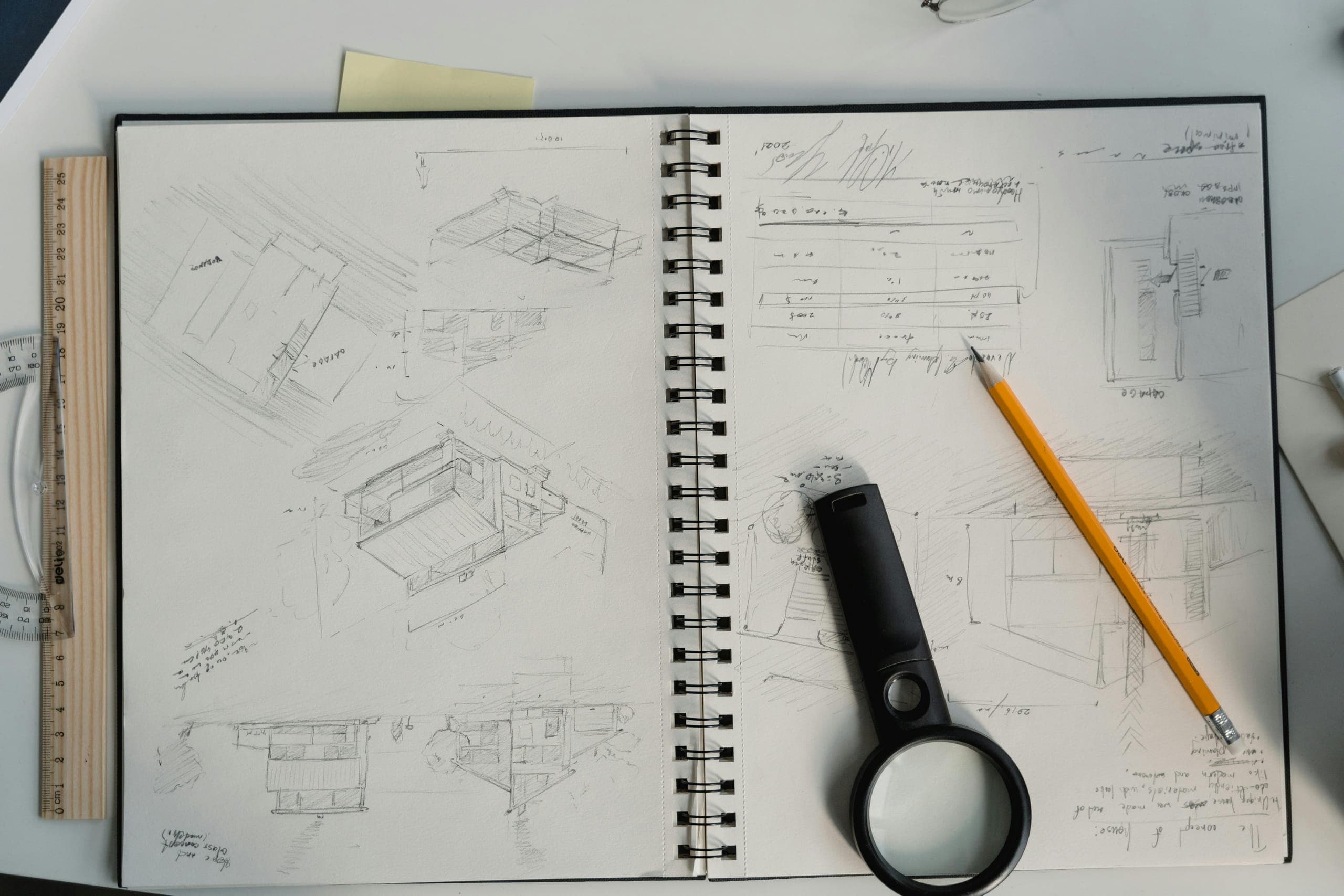
A spread of design sketches and a sketchbook

Section 12

History of Artの知識を深める

Start with The Story of Art for chronological and stylistic orientation, then use Art History: A Very Short Introduction to understand how the discipline frames evidence and interpretation.

For close looking, Smarthistory is useful because it is built around visual description and contextual explanation. The National Gallery gives museum-led talks centred on major paintings, while The Museum of Modern Art is stronger for modern and contemporary art, curatorial practice and artist interviews.

For method, Ways of Seeing helps you think about looking, gender, ownership and reproduction, and Methods & Theories of Art History gives a bridge from description to theories of interpretation.

For current debates, The Week in Art connects art history with institutions, exhibitions and art-world news, while Bow Down broadens the canon through focused episodes on women artists.

If you want structured online study, Modern Art & Ideas links modern art to themes and objects, and Stories of Art develops visual and historical understanding through National Gallery paintings.

A study planner, highlighters and a stack of revision cards

Section 13

カレッジ選択と再振り分け

around 20% of applicants submit an open application. around one third of successful applicants are offered a place by a college other than the one they chose or were allocated to of places come through the pool.

Oxford applicants may name a preferred college or submit an open application. Oxford describes over 30 colleges and halls, and open applications are assigned to colleges that have received fewer applications for that course in that year.

College choice mainly affects where you may live, receive tutorials and join a college community. It should not be treated as a tactical route into History of Art, because Oxford states that colleges are not easier or harder in a simple way and tutors can reallocate applicants to balance competition.

Open applications are recorded at around 20%, and around one third of successful applicants are offered a place by a college other than the one they chose or were allocated to. Choose for practical fit, or make an open application if you have no strong preference.

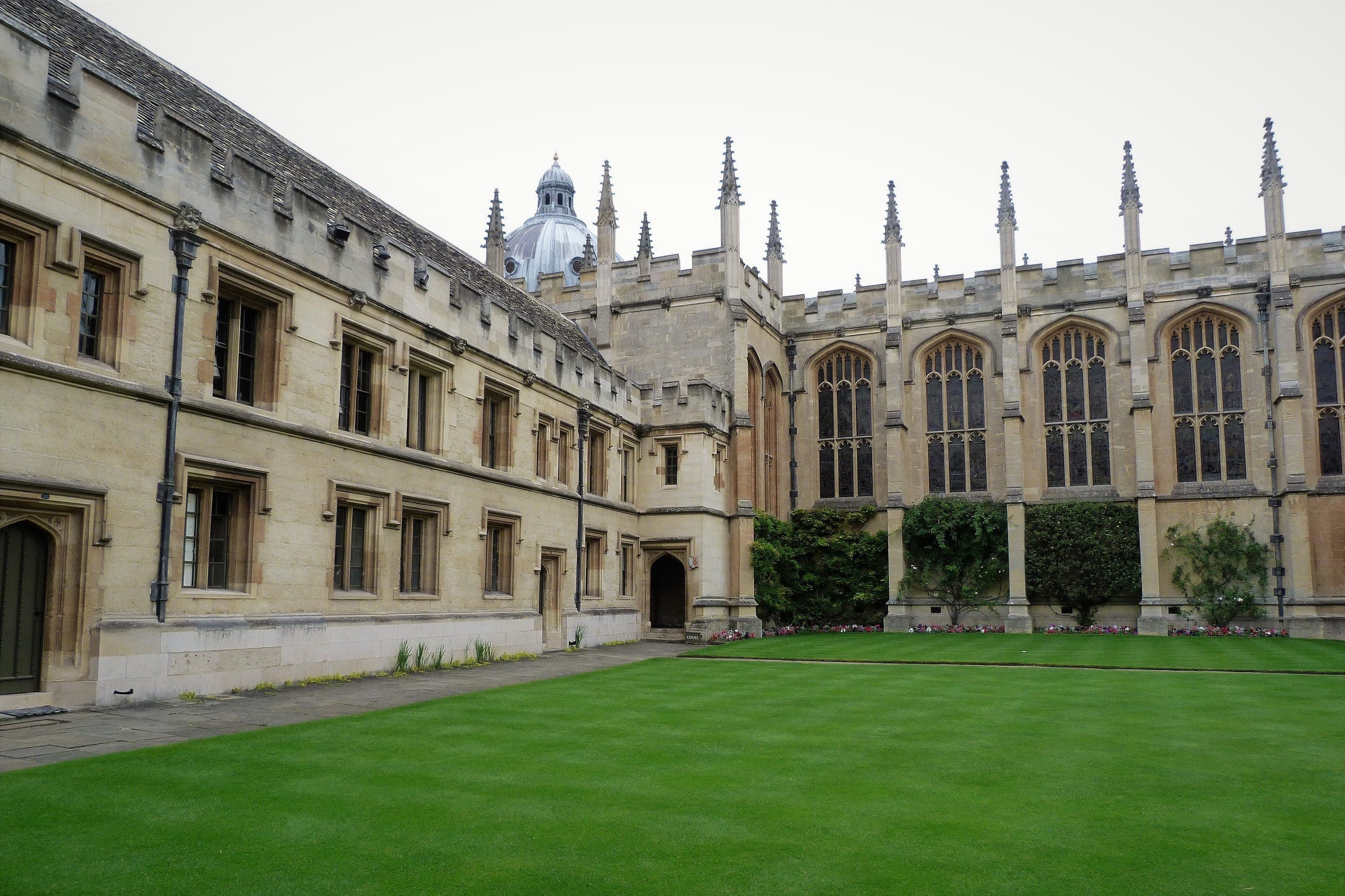
Stone college quadrangle viewed through an archway

Section 14

卒業後のキャリア

Oxford presents History of Art as preparation for cultural-sector and wider humanities routes. For visualisation, the careers chart uses Discover Uni occupation-type data only as an indicative proxy, because course-specific History of Art occupation data was too small to publish and Discover Uni displays this course with related History and archaeology courses.

The sector chart should therefore be labelled as indicative rather than as a History-of-Art-only destinations promise. Careers preparation for this course is best framed around transferable evidence: writing, research, interpretation, public communication and object-based analysis.

Section 15

特別な事情について

Oxford uses contextual data to understand an applicant’s achievements in the context of educational and personal circumstances. For History of Art, this is especially relevant where a school does not offer History of Art A-level or where access to museums, specialist libraries or visual-culture teaching has been limited.

Contextual data is used alongside the UCAS application, written work and interview performance; it does not replace the requirement to meet the academic offer. Applicants can still be competitive without prior formal art-history study, because Oxford says prior knowledge of art history is not required and that tutors look for keen, critical observation of visual and material culture.

Applicants affected by disruption should make sure their school or referee explains relevant circumstances through the UCAS reference or Oxford’s extenuating-circumstances routes where applicable. International applicants without GCSEs or equivalent can still be assessed against the course selection criteria, with teacher comments used where appropriate.

Watch & Learn

Oxford History of Art 参考動画

学生ブログ・模擬面接・講義体験・入試アドバイス。

The Skill of Describing

A concise Smarthistory guide to visual description, a core skill for History of Art interviews and written work.

How to Learn About Contemporary Art

A practical introduction to approaching contemporary art without relying on recognition alone.

Full Documentary: 200 Years of the National Gallery, Episode 1

A museum-history documentary useful for understanding collections, institutions and display.

How Artists Capture Environments: Modern Art & Ideas

A MoMA video connecting close looking with theme-led interpretation.

Art or Prank?

A discussion-led video useful for thinking about intention, reception and contemporary art debates.

All videos are the property of their respective creators.

Further Reading

Recommended Resources

専門講師が推薦するSupercurricular読書リスト・ウェブサイト・ツール。

  • Oxford History of Art Department by University of Oxford[Website]The department site is useful for understanding the academic environment around the undergraduate course.
  • Ashmolean Museum by University of Oxford[Website]Oxford's major museum of art and archaeology, directly relevant to the course's object-based learning environment.
  • Pitt Rivers Museum by University of Oxford[Website]A key Oxford collection for thinking about objects, display, classification and cultural context.
  • Smarthistory by Smarthistory[Website]A broad, free resource for close looking and art-historical context.
  • Stories of Art by The National Gallery[Course]A structured way to build visual and historical knowledge through gallery objects.
  • Modern Art & Ideas by The Museum of Modern Art[Course]A free-to-audit course that helps applicants connect artworks with themes and interpretation.
  • The Week in Art by The Art Newspaper[Podcast]A good way to follow current museum, exhibition and art-world debates.

よくあるご質問

No. The official course page states that there is no written test for History of Art.
No. Oxford says prior knowledge of art history is not required, although History of Art, Fine Art, History, English or a language may be helpful. An essay-based subject is required.
Applicants submit two pieces: one marked essay of up to 2,000 words from school study, and one personal response of up to 750 words to a work of art, architecture or design.
No separate portfolio is listed for 2027 entry. The visual-response task is written work, not a portfolio submission.
Yes. Oxford states that shortlisted applicants for 2027 entry will have online interviews in December 2026.
Oxford advises that colleges are not easier or harder to get into in a simple way, and applicants can be reallocated. Choose a college for practical fit, community and location, or make an open application.
Yes. International applicants use the same UCAS deadline as UK applicants: 18:00 UK time on 15 October 2026 for 2027 entry.
The official course page states that deferred entry is not accepted for History of Art.

History of Art(Oxford)出願の専門サポート

専門講師との無料30分相談をご予約ください。

無料相談を予約する