

Year
01 / 04
1
Core foundations
数学とコンピュータサイエンスの均等な基礎
数学とコンピュータサイエンスのバランスの取れた基礎。

概要
OxfordのMathematics and Computer Science(数学・コンピュータサイエンス、UCASコードGG14)は、証明に基づく数学と理論・実践的なコンピュータサイエンスを組み合わせた共同学位です。2027年入学では、標準オファーはA*A*A、TMUAが必須で、学生は3年制BAコースまたは4年制MMathCompSciコースのどちらかを選択できます。
なぜOxfordでMathematics and Computer Scienceを?
Oxfordはこのページで使用されているGuardianおよびComplete University Guide Computer Scienceランキング表示で第1位にランクインしていますが、注意事項が重要です。これらのランキングはComputer Science/Computer Science and Information Systemsを対象としており、この共同コース専用のものではありません。
Section 01
下のマップで自国をクリックすると、出願に必要な情報(受け入れられる資格、要求スコア、英語要件、現地の文脈)が表示されます。
International Applicants
Pick a highlighted country to see the admissions-test, score, and English-language requirements that apply for applicants from that country.
Section 02
| Qualification | Typical Offer | Key Requirements |
|---|---|---|
| A-Level | A*A*A with the A*s in Mathematics and Further Mathematics if available. | Mathematics required. Further Mathematics recommended. |
| IB Diploma | 39 points including core points, with 766 at Higher Level; the 7 must be in Higher Level Mathematics. | |
| Advanced Placement (AP) | For courses requiring A*A*A: either four APs at grade 5 (including any required subjects), or three APs at grade 5 (including any required subjects) plus ACT 33 or above or SAT 1480 or above. Applicants for courses requiring Mathematics should take AP Calculus BC if able; Calculus AB is accepted if Calculus BC is unavailable. AP Precalculus cannot fulfil the Mathematics requirement. |
Section 03
MAY - AUG 2026
UCAS出願とテスト計画を作成する
UCAS applications open on 12 May 2026; completed applications can be submitted from 1 September.
1 JUN - 28 SEP 2026
TMUAの登録・予約をする
UAT-UK registration opens 1 June; booking runs 20 July to 28 September 2026.
1 SEP - 15 OCT 2026
UCASを提出する
Applications must reach UCAS by 6pm UK time on 15 October 2026 for Oxford.
12 - 16 OCT 2026
TMUAを受験する
All Mathematics and Computer Science applicants must take both TMUA papers in the October sitting.
LATE NOV - EARLY DEC 2026
選考結果を待つ
Interview invitations normally arrive between mid-November and early December.
EARLY - MID DEC 2026
オンライン面接に参加する
Interviews are online, problem-based academic conversations.
12 JAN 2027
Oxfordの合否通知を受け取る
Shortlisted candidates receive the outcome via UCAS on 12 January 2027.
MAY - JUN 2027
UCASのオファーに返答する
Reply deadlines include 5 May and 2 June depending on when all choices have responded.
AUG 2027
オファー条件を満たし、入学を確定する
Conditional offers are confirmed after exam results; exact 2027 A-level results date not yet verified.
MAY - AUG 2026
UCAS出願とテスト計画を作成する
UCAS applications open on 12 May 2026; completed applications can be submitted from 1 September.
1 JUN - 28 SEP 2026
TMUAの登録・予約をする
UAT-UK registration opens 1 June; booking runs 20 July to 28 September 2026.
1 SEP - 15 OCT 2026
UCASを提出する
Applications must reach UCAS by 6pm UK time on 15 October 2026 for Oxford.
12 - 16 OCT 2026
TMUAを受験する
All Mathematics and Computer Science applicants must take both TMUA papers in the October sitting.
LATE NOV - EARLY DEC 2026
選考結果を待つ
Interview invitations normally arrive between mid-November and early December.
EARLY - MID DEC 2026
オンライン面接に参加する
Interviews are online, problem-based academic conversations.
12 JAN 2027
Oxfordの合否通知を受け取る
Shortlisted candidates receive the outcome via UCAS on 12 January 2027.
MAY - JUN 2027
UCASのオファーに返答する
Reply deadlines include 5 May and 2 June depending on when all choices have responded.
AUG 2027
オファー条件を満たし、入学を確定する
Conditional offers are confirmed after exam results; exact 2027 A-level results date not yet verified.
Section 04

Oxfordは2027年入学サイクルにおいて、Mathematics and Computer ScienceにTest of Mathematics for University Admission(TMUA)を必須としています。TMUAはUAT-UKによってPearson専門試験センターで実施されます。
必須のTMUA科目はPaper 1:Applications of Mathematical KnowledgeとPaper 2:Mathematical Reasoningです。テスト期間は2026年10月12〜16日、登録開始は2026年6月1日BST午後3時、締切は2026年9月28日BST午後6時です。
これはサイクルの変更です:2027年入学サイクルから、2026年10月のテストでTMUAがこのルートのMATに代わります。古いアドバイスを保存している出願者は、まずこの詳細を更新してください。
TMUAは選考の重要な部分であり、Oxfordはコース選択基準とTMUAの結果を使用して面接に招待する人を決定します。UAT-UKによれば合格・不合格のスコアはなく、Oxfordはスコアの閾値や固定の重み付けを公表していません。
海外出願者にとって、TMUAはOxfordが異なる資格を持つ出願者を比較するもう一つの手段です。中国・香港・マカオでテストを受ける候補者は、10月の試験期間内の制限された10月15〜16日の枠があります。
公式TMUA仕様から始め、次に時間を計った問題練習と誤りの確認に進むことをお勧めします。次のページとして、私たちの TMUAガイド が参考になります。
TMUA完全対策ガイド | 試験形式・採点・戦略・練習リソース。
TMUAガイド →Section 05
Interview Invitation
Late Nov
Arrival to Interview
Early Dec
Technical Question
Mid Dec
Decision
Early Jan
Interview Invitation
Late Nov
Arrival to Interview
Early Dec
Technical Question
Mid Dec
Decision
Early Jan
Question Types You’ll See
このコースの面接は、2026年12月初旬から中旬の面接期間にオンラインで行われる、問題ベースの学術的議論です。面接スタイルは短いチュートリアル形式の問題解決フォーマットです。
面接では強い数学的能力・見慣れない問題解決・新しいアイデアを吸収する力・独立した思考・適性と技術スキル・粘り強さ・熱意と動機が試されます。典型的な質問形式には、見慣れない証明または問題解決タスク・アルゴリズム的推論・論理または組合せ論・小さな事例から一般化する問題・ヒント後の議論が含まれます。
実際には、最高の準備はスピーチの暗記ではありません。自分が試みていること・失敗したこと・見えているパターン・仮説をどのようにテストするかを言語化する練習をすることをお勧めします。強い回答は、特に遅くなり前提を述べ、批判ではなく情報としてヒントに応答することで、最初は雑然としていても明確になることがあります。
Mathematics and Computer Scienceを含む全学科の模擬面接練習問題バンクで本番さながらの問題を練習しましょう。
無料練習問題 →
Section 06
表示されている基準はTMUA/入試テストの成績・面接の成績・過去の成績と予測成績・Personal Statementと学術推薦書・文脈または軽減事情です。OxfordはComputer ScienceファミリーのプロセスにおいてもっとUCAS情報と文脈情報を考慮します。
実際には、判断は学術的かつ比較的です。テストと面接が、生きた数学的・計算的推論を最もはっきりと示す2つの場であると考えて準備することをお勧めします。
Our recommendation · weighting of admission factors
Oxbridge Mentors recommendation, drawn from observed offer patterns. University of Oxford does not publish official weightings - exact balance varies by college, course and year.
Section 07

このコースのPersonal Statementでは、数学とコンピュータサイエンスへの関心がどのようにつながっているかを示す必要があります。技術のリストを避けてください。Oxfordのコースは証明・アルゴリズム・計算モデル・プログラミングの基礎を中心に構築されています。
有益なパラグラフは、1つの問題・定理・アルゴリズム・プロジェクトから始まることが多いです。最初に何を考えたか、何が考えを変えたか、そして推論について何を学んだかを説明します。
数学の例を1つとコンピューターの例を1つ使い、その間のつながりを1つ加えることをお勧めします。たとえば、アルゴリズムのパズルはコードが動くからではなく、正確性の証明があるために興味深いという視点が有効です。
過大な主張は避けてください。小さなプロジェクトを正確に説明する方が、人工知能・暗号・量子コンピューティングをスローガンで語るよりも優れています。
Section 08
確認されたプロジェクトガイダンスでは、証明とプログラムのポートフォリオ・アルゴリズムパズルジャーナル・数学モデリングのミニプロジェクトという3つの幅広いプロジェクトアイデアが提案されています。それぞれが問題解決面接で議論できる具体的な素材を提供するため有効です。
良いプロジェクトは大きくある必要はありません。問題を定義し、アプローチを試み、間違いを検査し、数学的なアイデアを計算の実装につなげることができることを示す必要があります。
プロジェクトの発表方法:
幅広いプロジェクトアイデア:
役立つ活動には証明練習・プログラミングの流暢さ・シラバスを超えた読書・入試テスト練習・議論と説明・Oxford Maths/CSのアウトリーチが含まれます。
これらはサポートであり、代替ではありません。核心的な証拠は引き続き、数学的・計算的問題をどれだけよく推論できるかから生まれます。
コンペティションは必須ではありません。日常的な学校の演習を超えて鍛え、分析すべき難しい問題を提供するのに優れています。
いずれも必須ではありません。1〜2つを丁寧に行うことが、5つを中途半端に行うより優れています。

Section 09
Year
01 / 04
1
数学とコンピュータサイエンスの均等な基礎
数学とコンピュータサイエンスのバランスの取れた基礎。

Year
02 / 04
2
核心的な理論、選択科目、グループ設計実習
両科目の必修課題と選択ペーパー、グループ実習。
Year
03 / 04
3
数学とコンピュータサイエンスの幅広い学習
選択科目主導の高度な数学とコンピュータサイエンス。
Year
04 / 04
4
高度な学習と実質的な独自研究
高度な選択科目と論文(ディサテーション)またはプロジェクト。
Section 10
まず Oxford Mathematics とComputer Scienceのコースページから始めてください。公式のコース識別・要件・概要が記載されているためです。テストについては、公式テストリソースとしてUAT-UK TMUA情報を使用してください。
科目構築には、MIT Mathematics for Computer Scienceが有益なオープンアクセスアーカイブコースです。証明・離散数学・計算論的思考をつなぐ内容です。 Project Euler は、コーディング競争ではなく推論の演習として各問題を扱う場合に有効です。
入試の文脈については、Oxford Department of Computer Science学部生向け入試統計がComputer Scienceファミリーのプロセスを理解するのに役立ちます。海外出願者は資格の同等性を確認する際に、 Oxford国際資格 のページを手元に置いておくことをお勧めします。
The British Informatics Olympiad は、テストに合格するかどうかだけでなく、なぜその解法が機能するかを確認することによってアルゴリズム練習に役立ちます。

Section 11
30 colleges offer this subject. 22.2% of applicants submit an open application. 35.8% of places come through the pool.
約5分の1の出願者がオープン出願を行います。2023〜24年のComputer Scienceファミリーレポートは22.2%のオープン出願を記録していますが、これはMCS専用の統計ではなくCSファミリーの数値です。合格者の約3分の1は指定していないコレッジからオファーを受け取ります。同CSファミリーレポートには35.8%の非出願コレッジからのオファーが記録されていますが、同様にCSファミリーの注意事項があります。
Oxfordはこのプロセスを再配分と呼んでいます。競争を均等化し、比較的出願数の少ないコレッジにオープン出願を割り当て、コレッジが過剰出願の場合に別のコレッジで面接を受けさせるために使用されます。
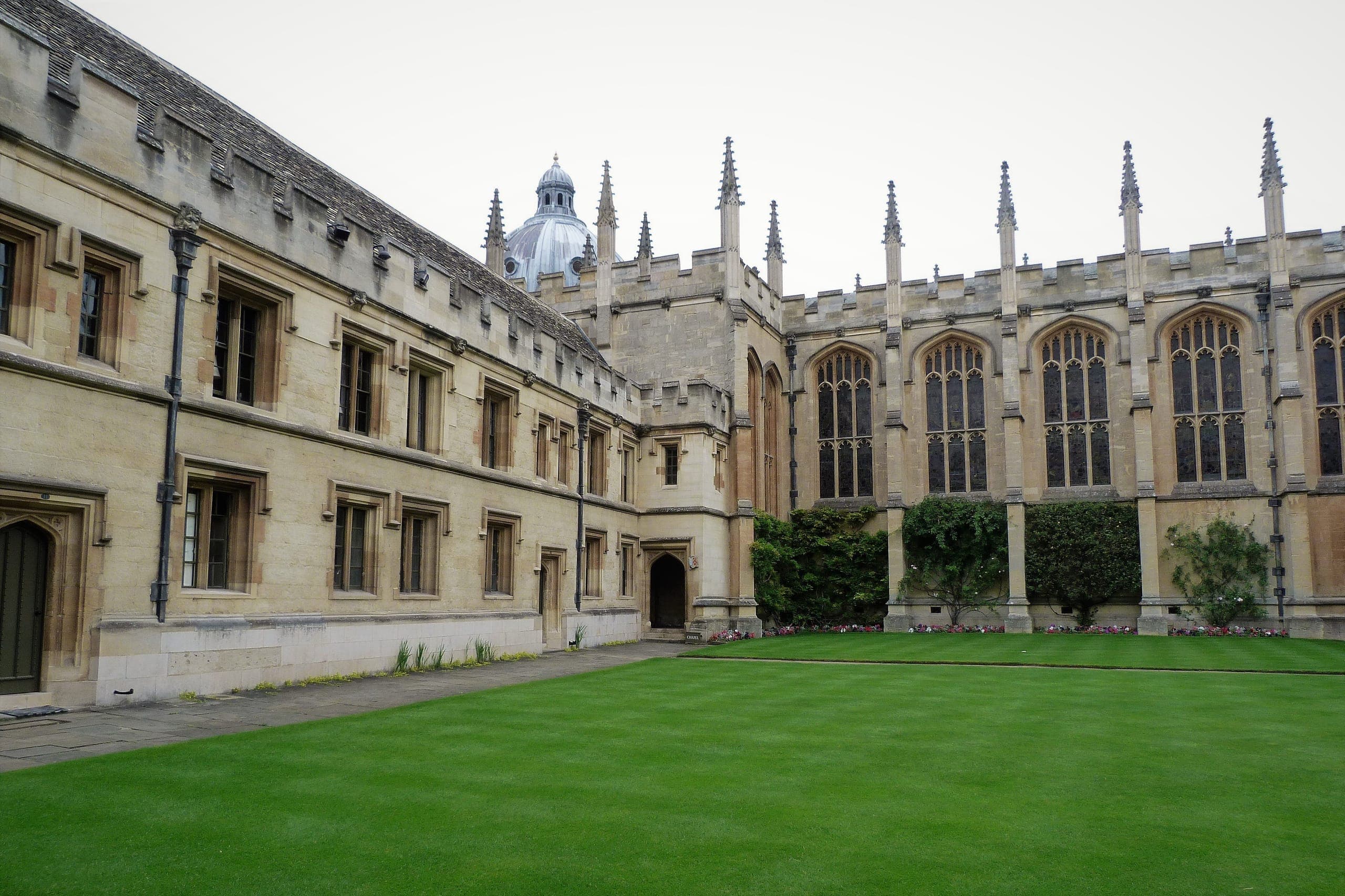
コレッジ選択はチュートリアル・宿舎・社会的基盤に影響しますが、コレッジは共通の入試基準を使用しているため戦術的なショートカットにはなりません。強い希望がなければ、居住・学習に満足できるコレッジを選ぶか、オープン出願をすることをお勧めします。
Section 12
Discover Uniは85%が就業または在学中、就業者の95%が高度専門職であり、Information Technology Professionalsが最大の職業カテゴリーであると報告しています。雇用主の例として、IBM・Google・Amazon・Morgan Stanley・Goldman Sachsが技術・ソフトウェア・ビジネス・研究・金融関連の分野に含まれます。
キャリアチャートは注意して扱ってください。職業成果はコース修了後15ヶ月時点の20名の就業者をベースにしているため、雇用主セクターの市場シェアではありません。
Section 13
Oxfordは可能な範囲で文脈を踏まえた学業成績を考慮します。文脈的なプロセスは、不利な環境や混乱のある背景を持つ出願者を支援できます。
このコースでは、Oxfordがrepresent Further Mathematicsが利用できない場合の代替ルートをリストしているため、学校でFurther Mathematicsが利用できたかどうかが文脈に含まれる場合があります。軽減事情はUCAS・推薦書・または関連するOxfordのプロセスを通じて早めに伝えてください。
文脈を具体的かつ証拠に基づくものにすることをお勧めします。科目の利用可能性や混乱について推薦者からの明確な一文は、後から追加された漠然とした説明よりも役立ちます。
Watch & Learn
学生ブログ・模擬面接・講義体験・入試アドバイス。
MIT OpenCourseWare lecture introducing proofs in Mathematics for Computer Science.
CS50x overview introducing Harvard’s computer science course and its problem-solving approach.
Oxford Mathematics public lecture on prime numbers with James Maynard and Hannah Fry.
Oxford Mathematics student lecture introducing networks as a language for modelling systems.
Computerphile explanation of Turing machines and the halting problem.
All videos are the property of their respective creators.
Further Reading
専門講師が推薦するSupercurricular読書リスト・ウェブサイト・ツール。