

Year
01 / 04
1
Year 1
数学・プログラミングの中核的基礎
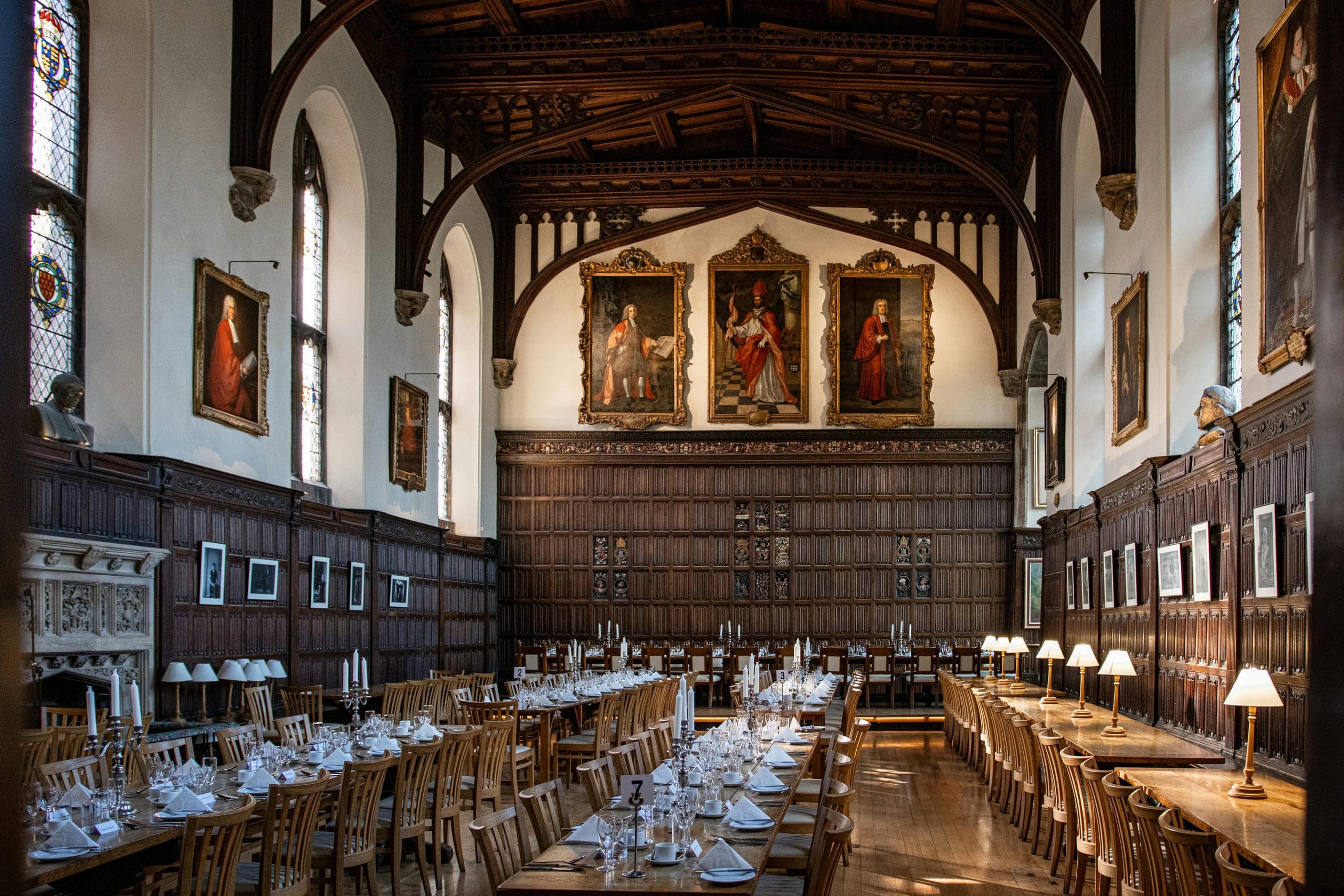
1年次は完全な必修課程で、後のComputer Science選択科目に必要な数学・プログラミング・システムの基礎を構築します。学生はアルゴリズム・証明・離散数学と連続数学・線形代数・確率・プログラミングパラダイム・デジタルシステムを学び、1年次大学試験を受験してから後に進みます。

概要
Oxford Computer Science(UCASコード G400)は数学を中心とした集中的なコースで、3年制BAまたは4年制MCompSciを取得できます。2027年入学の標準A-Levelオファーは、利用可能な場合は数学とFurther Mathematicsを含むA*AAで、出願者はTMUAを受験する必要があります。
なぜOxfordでComputer Scienceを?
Oxfordは2026年Guardian and Complete University GuideのComputer Science科目表で第1位にランクされており、Times/Sunday TimesフィールドではOxfordを第2位に記載していますが、プライマリーTimesテーブルは有料のため部分的なままです。ピアテーブルはOxford・Cambridge・Imperial College London・St Andrews・BirminghamをGuardian・Complete University Guide・Times/Sunday Times科目表フィールドで比較しています。

日本語で学ぶための実践ガイド
面接や出願書類では、知識の量だけでなく、考え方を筋道立てて説明する力が見られます。次の流れで、授業や読書の内容を自分の言葉に変えてみましょう。
設問の動詞を確認し、何を説明・比較・証明するのかを一文で書きます。
授業ノートや資料から、主張を支える具体例を二つ選びます。
結論、根拠、理由の順で答え、最後に問いへ戻します。

Computer Scienceの例
「速い」と言うだけでなく、入力サイズが増えたときの計算量、メモリ使用量、そして別の方法とのトレードオフまで説明します。
Section 01
下のマップで自国をクリックすると、出願に必要な情報(受け入れられる資格、要求スコア、英語要件、現地の文脈)が表示されます。
International Applicants
Pick a highlighted country to see the admissions-test, score, and English-language requirements that apply for applicants from that country.
Section 02
| Qualification | Typical Offer | Key Requirements |
|---|---|---|
| A-Level | A*AA, including A*A in Maths and Further Maths if available (in any order). Mathematics is required; Further Mathematics is highly recommended and expected where available. | Mathematics required. Further Mathematics recommended. |
| IB Diploma | 39 points including core points, with 766 at Higher Level. The 7 must be in HL Mathematics. | HL: Mathematics required. |
| Advanced Placement (AP) | Either four APs at grade 5, including any subjects required for the course, or three APs at grade 5 plus ACT 32 or above / SAT 1470 or above. | AP Calculus BC if available; AP Calculus AB is accepted if Calculus BC is not available required. SAT/ACT: Required only with the three-AP route: ACT 32 or above, or SAT 1470 or above..AP Pre-Calculus cannot be used to fulfil the Mathematics requirement. Calculus AB and Calculus BC cannot be counted as two separate subjects. |
Section 03
MAY - SEP
UCAS出願の準備
Start preparing the UCAS form from May 2026, choose a course and college/open application route, write the personal statement and organise the academic reference. Applications can be submitted from early September.
1 JUN
UAT-UKアカウントの作成
Account creation, access-arrangements requests and bursary requests open at 3pm UK time. For 2027 entry, Oxford Computer Science applicants sit the TMUA.
20 JUL - 28 SEP
入試テストの予約
Book the Oxford-required October UAT-UK sitting by 6pm UK time on 28 September 2026. The access-arrangements deadline is 14 September and the bursary deadline is 21 September.
12 - 16 OCT
入試テストの受験
Oxford applicants for Computer Science must sit the October TMUA window for 2027 entry. The current course page requires both Paper 1 and Paper 2.
15 OCT
UCASの提出
Submit the UCAS application by the strict Oxford deadline of 6pm UK time on 15 October 2026.
LATE NOV - EARLY DEC
ショートリスト選考結果の受け取り
Oxford indicates that applicants normally find out whether they have been shortlisted at the end of November or beginning of December.
EARLY - MID DEC
オンライン面接への参加
Shortlisted applicants are invited to online interviews in December. Computer Science interviews are problem-based academic discussions focused on how candidates reason through unfamiliar problems.
12 JAN
Oxford合否通知の受け取り
Applicants for 2027 entry receive the outcome of their Oxford application via UCAS on 12 January 2027, with colleges following up later that day.
AUG
オファー条件の充足
Conditional offer holders have their place confirmed through UCAS if they meet all offer conditions. If results miss the offer, the college reviews the case and communicates the outcome.
MAY - SEP
UCAS出願の準備
Start preparing the UCAS form from May 2026, choose a course and college/open application route, write the personal statement and organise the academic reference. Applications can be submitted from early September.
1 JUN
UAT-UKアカウントの作成
Account creation, access-arrangements requests and bursary requests open at 3pm UK time. For 2027 entry, Oxford Computer Science applicants sit the TMUA.
20 JUL - 28 SEP
入試テストの予約
Book the Oxford-required October UAT-UK sitting by 6pm UK time on 28 September 2026. The access-arrangements deadline is 14 September and the bursary deadline is 21 September.
12 - 16 OCT
入試テストの受験
Oxford applicants for Computer Science must sit the October TMUA window for 2027 entry. The current course page requires both Paper 1 and Paper 2.
15 OCT
UCASの提出
Submit the UCAS application by the strict Oxford deadline of 6pm UK time on 15 October 2026.
LATE NOV - EARLY DEC
ショートリスト選考結果の受け取り
Oxford indicates that applicants normally find out whether they have been shortlisted at the end of November or beginning of December.
EARLY - MID DEC
オンライン面接への参加
Shortlisted applicants are invited to online interviews in December. Computer Science interviews are problem-based academic discussions focused on how candidates reason through unfamiliar problems.
12 JAN
Oxford合否通知の受け取り
Applicants for 2027 entry receive the outcome of their Oxford application via UCAS on 12 January 2027, with colleges following up later that day.
AUG
オファー条件の充足
Conditional offer holders have their place confirmed through UCAS if they meet all offer conditions. If results miss the offer, the college reviews the case and communicates the outcome.
Section 04

2027年入学において、Oxford Computer ScienceはTMUA(Test of Mathematics for University Admission)を使用します。テストプロバイダーはUAT-UKで、Pearson VUEテストセンターを通じて実施されます。
Oxford出願者はTMUAの両方のペーパーを受験しなければなりません。Paper 1「数学的知識の応用」とPaper 2「数学的推論」です。2027年入学のOxfordテスト期間は2026年10月12〜16日で、テスト予約は2026年9月28日英国時間午後6時に締め切られます。
このテストが重要なのは、面接前に数学的・問題解決的可能性を比較する共通の方法をチュートリアルの指導陣に提供するためです。
国際出願者にとって、TMUAは多くの異なる資格制度の横に並んでいるため特に重要です。
TMUA完全対策ガイド | 試験形式・採点・戦略・練習リソース。
TMUAガイド →Section 05
Interview Invitation
Late Nov
Arrival to Interview
Early Dec
Technical Question
Mid Dec
Decision
Early Jan
Interview Invitation
Late Nov
Arrival to Interview
Early Dec
Technical Question
Mid Dec
Decision
Early Jan
Question Types You’ll See
面接は、スクリプト化された問答より問題解決的なチュートリアルに近い感覚にすべきです。チュートリアルの指導陣は数学的推論・証明形式の思考・計算的分解・ヒントへの反応・説明の明確さを見ています。
典型的な問いのタイプには、論理または離散数学の問題・アルゴリズム設計タスク・小さな疑似コードまたはプログラムのトレース演習・証明またはパターンの問題・オープンエンドのフォローアップ質問が含まれます。声に出して練習することが役立ちます。問題を定義し・前提を述べ・小さなケースをテスト・方法がうまくいくか失敗するかを説明してください。
良い答えは即座である必要はありません。私たちの経験では、優秀な候補者はチュートリアルの指導陣がどのようにヒントを使い・エラーから回復し・新しい制約に適応するかを見られるほど明確に推論を示します。
Computer Scienceを含む全学科の模擬面接練習問題バンクで本番さながらの問題を練習しましょう。
無料練習問題 →
Section 06
Oxford Computer Scienceの選考は証拠に基づき、複数の情報源を使用します。
ショートリストに選ばれた出願者にとって、面接が中心的です。チュートリアルの指導陣は候補者が馴染みのない問題にどう取り組み・ヒントを吸収し・推論を説明するかを直接評価できるためです。学業記録と予測成績は数学的準備と一貫性の証拠を提供し、参照書とPersonal Statementは動機と独立した学習に関する文脈を追加します。
ビジュアルは強調の実用的なガイドとして読んでください。公式の計算式としてではなく。
Our recommendation · weighting of admission factors
Oxbridge Mentors recommendation, drawn from observed offer patterns. University of Oxford does not publish official weightings - exact balance varies by college, course and year.
Section 07

Computer ScienceのPersonal Statementは、どのように考えるかを示す必要があります。1〜2つの問題・プロジェクト・読書を使い、自分が行った決定と理解の変化を説明してください。
プログラミング言語のリストは、正確さ・エッジケース・データ構造・計算量・証明・デバッグについての推論の証拠よりも弱いです。なぜなら、それらはOxfordが科目をテストする方法に近いからです。
すべての活動を特定の知的問いに結びつけることが役立ちます。例えば、なぜあるアルゴリズムの方がスケールが優れているのか、なぜ表現が失敗したのか、なぜ証明にはより強い不変条件が必要だったのか。
専門家の解説付き完全例文を見る。
Computer Science PS例文 →Section 08
プロジェクトは完成した出力だけでなく、推論の証拠を生み出すときに有用です。1つの管理可能なプロジェクトを選び、その背後にある数学的または計算的決定を記録してください。
プロジェクトの提示方法:
その他のSupercurricular活動は、同じ中核的なストーリーをサポートするものであるべきです。数学的推論・計算的思考・独立したフォローアップ。
これらの活動はサポートであり、強い数学的準備の代替ではありません。
コンペティションは必須ではありませんが、制約のもとで問題解決を伸ばすことができます。1〜2つをうまく使い、間違いと解の質を振り返ってください。
いずれも必須ではありません。1〜2つを丁寧に仕上げる方が、5つを中途半端に取り組むより価値があります。

Section 09
Year
01 / 04
1
数学・プログラミングの中核的基礎
1年次は完全な必修課程で、後のComputer Science選択科目に必要な数学・プログラミング・システムの基礎を構築します。学生はアルゴリズム・証明・離散数学と連続数学・線形代数・確率・プログラミングパラダイム・デジタルシステムを学び、1年次大学試験を受験してから後に進みます。

Year
02 / 04
2
中核的なシステム・計算・最初の選択科目
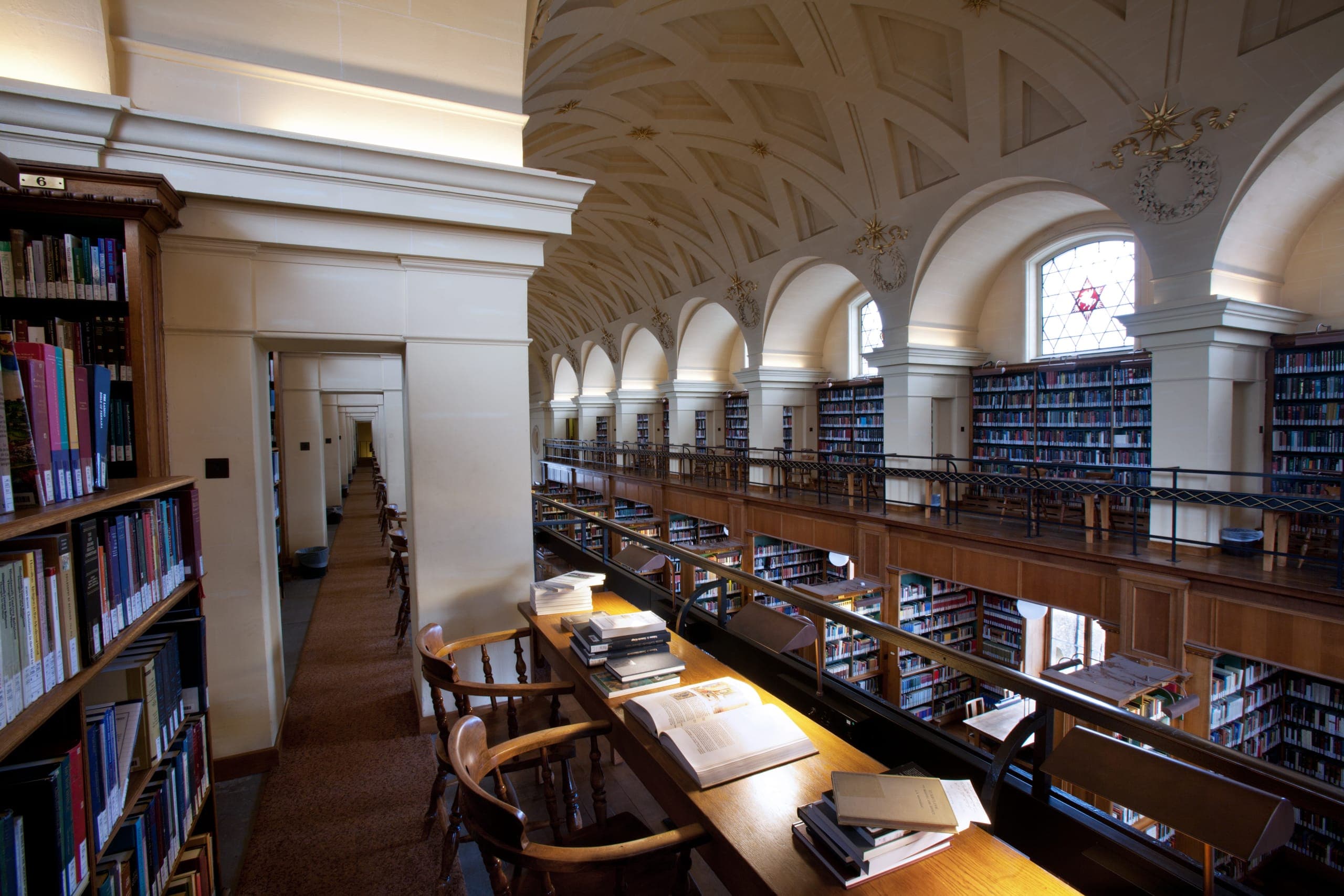
2年次では、選択制のComputer Science科目を導入しながらも、引き続き実質的な必修課程を維持します。学生はアルゴリズムとデータ構造・コンパイラ・並行プログラミング・計算モデルを学び、グループデザイン実践も完了しながら選択科目でコースを調整し始めます。
Year
03 / 04
3
高度な選択科目と任意の個人プロジェクト
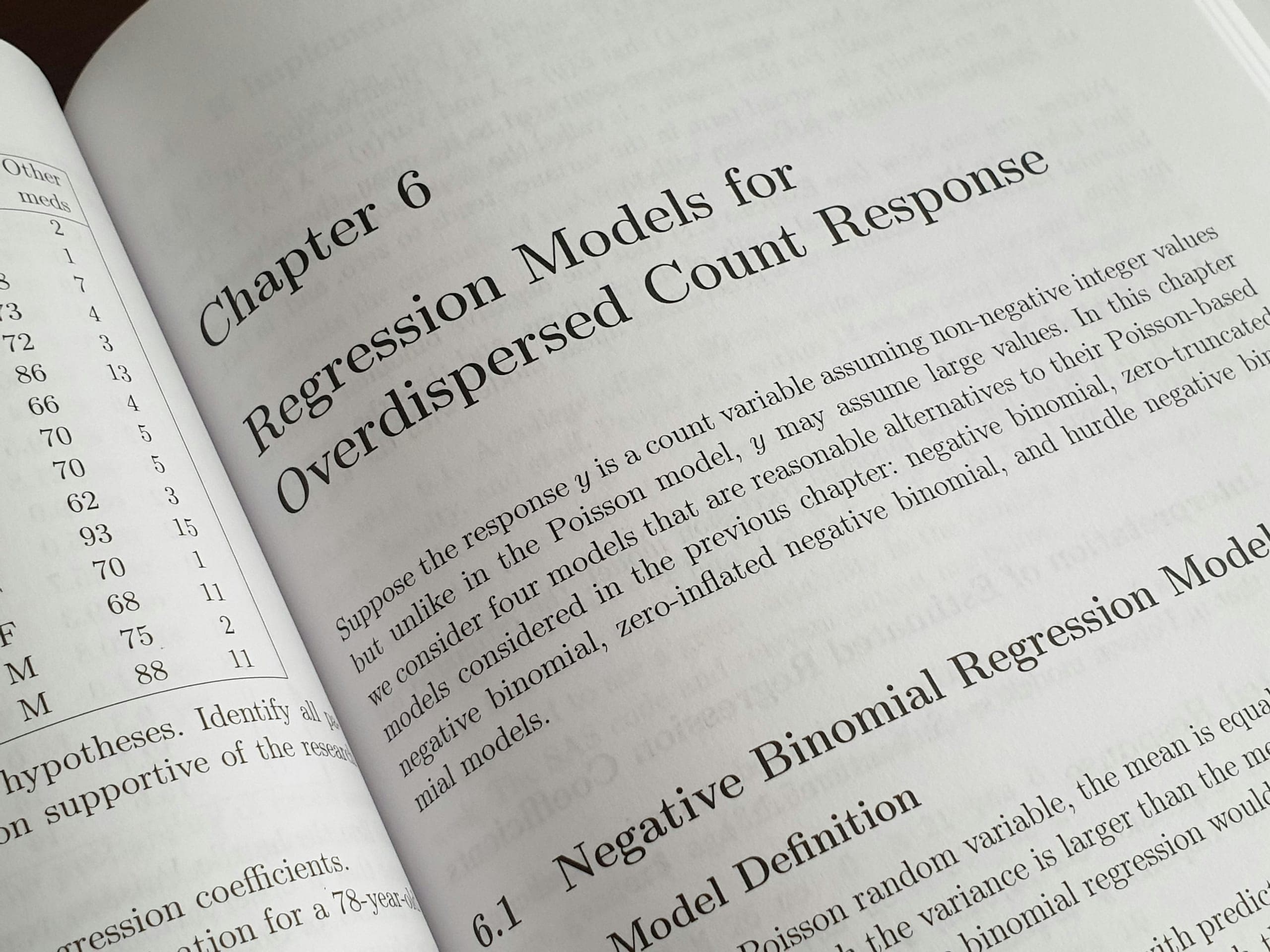
3年次は主に選択制で、Computer Scienceの高度な理論的・実践的・応用的分野にわたって専門化できます。学生は任意の個人プロジェクトを選ぶか、プロジェクトルートの代わりに追加の試験科目を選べます。
Year
04 / 04
4
MCompSciの高度な専門化と主要プロジェクト
4年次はMaster of Computer Scienceへ進学する学生向けです。高度な選択科目と大規模な個人プロジェクトを組み合わせ、より専門的な研究や高度な技術的方向性を追求する余地を与えます。
Section 10
まず Introduction to Algorithms から始め、厳密なアルゴリズム分析には The Algorithm Design Manual をアルゴリズム設計への実践的な架け橋として使用し、論理ゲート・アーキテクチャ・ソフトウェアを結びつけたい場合は The Elements of Computing Systems を活用してください。1つの章・問題セット・実装のアイデアを選び、理解したことと不明な点を書き留めてください。
動画については、 Computerphile はアルゴリズム・セキュリティ・理論に有用で、 CS50 はプログラミングの基礎を構築し、 MIT OpenCourseWare はアルゴリズム的直感をサポートし、 3Blue1Brown は数学的可視化が最も強く、 FreeCodeCamp.org はデータ構造とアルゴリズムに役立ちます。これらのチャンネルは受動的な視聴履歴を作るのではなく、問いを生成するために使ってください。
リスニングについては、 Darknet Diaries はシステムとセキュリティの問いを促し、 CoRecursive はソフトウェア設計と長期的な学習を結びつけ、 The Changelog は商業的・研究的設定を紹介し、 Software Engineering Daily はコンピューターサイエンス研究の文脈を提供します。エピソードの後に、読書またはコードで検証する価値のある1つの概念を特定してください。
体系的な学習については、 CS50x: Introduction to Computer Science がプログラミングの信頼性を構築し、 6.006 Introduction to Algorithms がプログラミングを形式的なアルゴリズム分析に結びつけ、 Algorithms Specialization がより深みを求める出願者にアルゴリズム設計と分析の体系的な経路を提供し、 Nand2Tetris はシステム重視の出願者をサポートします。体系的なコースは演習を完了し、その後で方法を説明できる場合に最も有用です。

Section 11
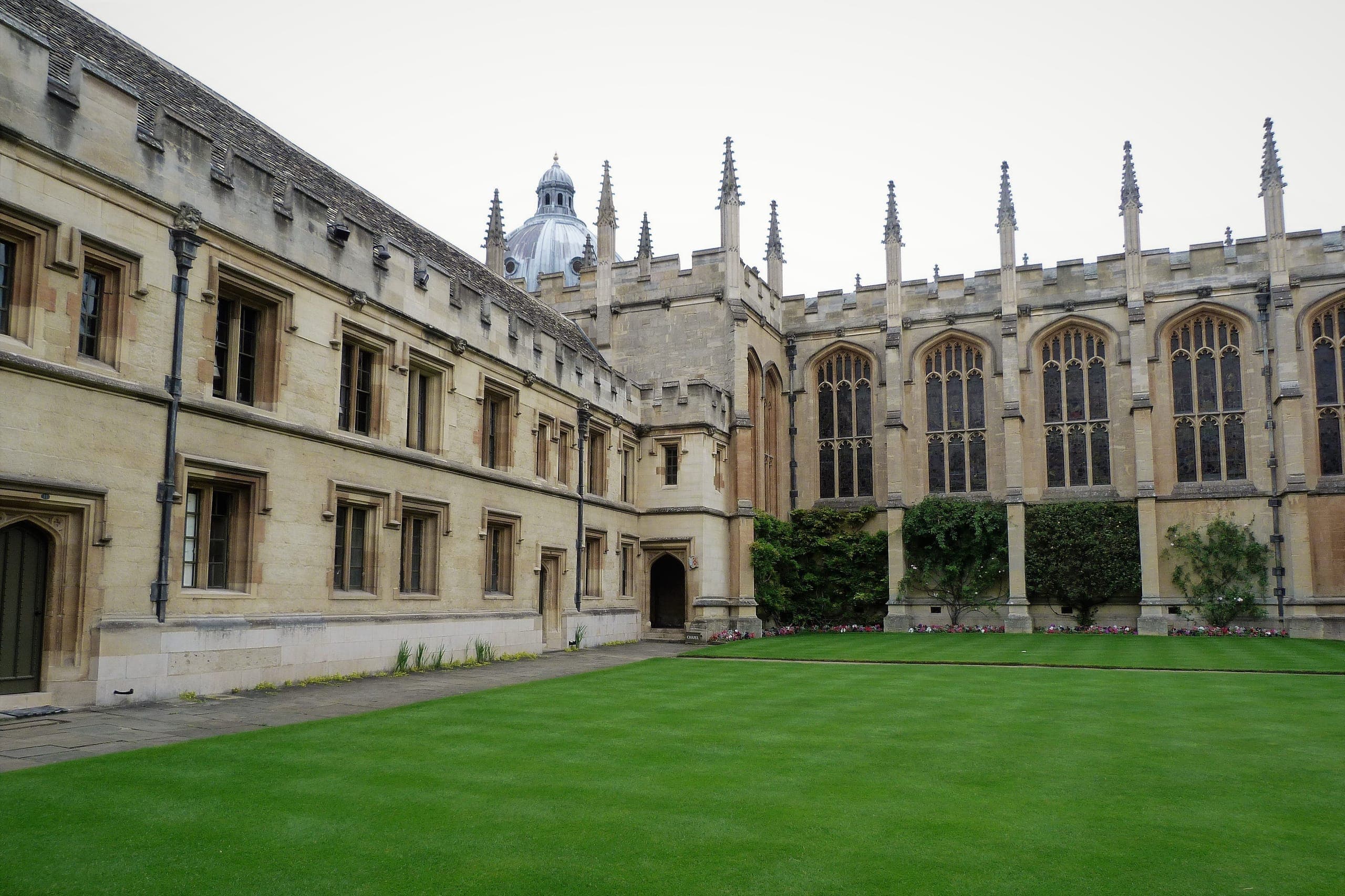
30 colleges offer this subject. 19.8% of applicants submit an open application. 30.1% of places come through the pool.
Oxfordはカレッジ間の競争をバランスさせるために再割り当て制度を使用しており、出願者は指定したカレッジまたはオープン出願することができます。そのカレッジで面接またはオファーを受けることが保証されているわけではありません。
また、2024〜25年のComputer Scienceおよび複合コースのオファーの30.1%がオープンオファーまたは最初に出願者を考慮したカレッジ以外のカレッジによるものだったことも記録されています。
カレッジ選択はコミュニティ・宿舎・所在地・チュートリアルの指導陣の組み合わせに影響しますが、より簡単なオファーへの近道として扱うべきではありません。本当に気に入ったカレッジを選ぶか、強い好みがなければオープン出願してください。
Section 12
Oxford Computer Science卒業生は、英国内外で技術・管理・学術・金融・商業的役割に就いています。学部が記載した最近の雇用主には、IBM・Google・Amazon・Facebook・Ciscoなどの技術的雇用主と、Morgan Stanley・Goldman Sachsなどの金融・商業的例が含まれます。
Discover Uniは、調査対象学生の95%がコース修了後15ヶ月で就業および/または学習に進んだと報告しています。
Section 13
Oxfordは学校の文脈・教育背景・申告した減軽事由を含む全体的な審査をします。Computer Scienceでは、鍵となる科目の文脈は数学であり、Further Mathematicsは強く推奨され、利用可能な場合は受講が期待されます。
学校でFurther Mathematicsが利用できない場合、出願者は自動的に不利だと思わずにその文脈を説明すべきです。文脈情報は機会と中断を説明できますが、強い数学的推論と要求の高い理論的コースへの準備を示す必要性はなくなりません。
Watch & Learn
学生ブログ・模擬面接・講義体験・入試アドバイス。
MIT 6.006 opening lecture introducing algorithmic thinking through a concrete problem.
Computerphile explanation of recursion, a core idea in mathematical and computational problem-solving.
Introductory CS50 lecture on computational thinking and programming concepts.
Visual introduction to neural networks and the mathematical structure behind them.
Computerphile video showing why recursive thinking is powerful in programming.
All videos are the property of their respective creators.
Further Reading
専門講師が推薦するSupercurricular読書リスト・ウェブサイト・ツール。