

Year
01 / 03
1
Foundations in Medical Biosciences
生物医学の基礎と Lab Pod I
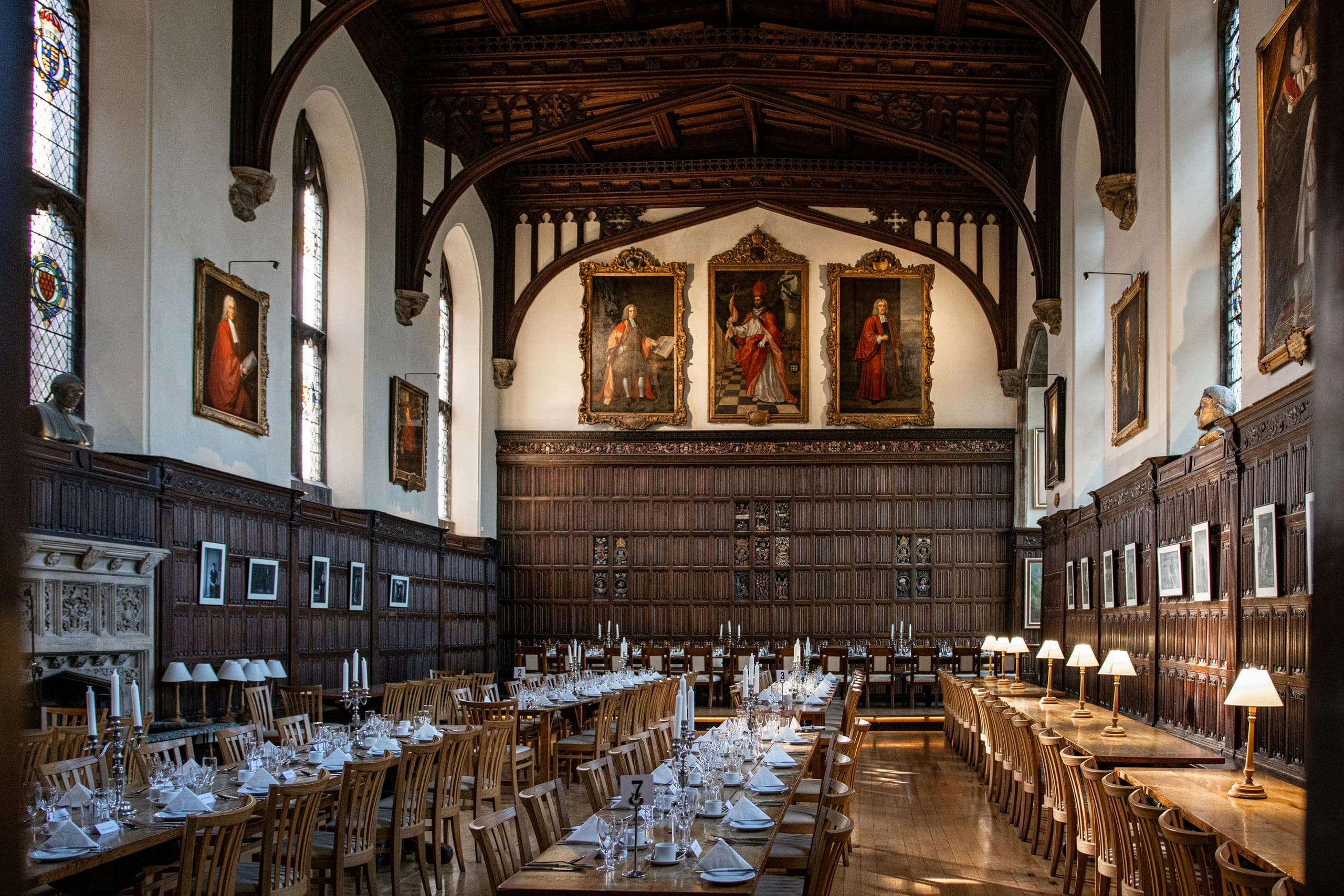
第1学年では、人体の健康と疾患を理解するための基礎を構築します。現在のプログラム仕様書 PDF に直接アクセスできなかったため、モジュールレベルの詳細は部分的なものにとどまっています。

概要
Imperial College London の医学生命科学科(UCAS コード B101)は、医学部が運営する3年制 BSc プログラムです。人体生理学・細胞生物学・薬理学・免疫学・疾患メカニズムを扱い、実験室作業と生物医学研究および大学院入学医学パスウェイに向けた最終学年の研究プロジェクトを含みます。Imperial 医学生命科学科では入試テストは不要で、標準選考の一環としての面接は実施していません。
なぜImperialでMedical Biosciencesを?
この注意点は重要です。比較表は、アクセス可能な生物医学科学または生物科学のデータに基づいており、アクセス可能な Guardian テーブルで確認できなかったため、Guardian のピアランキング入力の欄は空白のままとなっています。
日本語で学ぶための実践ガイド
面接や出願書類では、知識の量だけでなく、考え方を筋道立てて説明する力が見られます。次の流れで、授業や読書の内容を自分の言葉に変えてみましょう。
設問の動詞を確認し、何を説明・比較・証明するのかを一文で書きます。
授業ノートや資料から、主張を支える具体例を二つ選びます。
結論、根拠、理由の順で答え、最後に問いへ戻します。

Section 01
下のマップで自国をクリックすると、出願に必要な情報(受け入れられる資格、要求スコア、英語要件、現地の文脈)が表示されます。
International Applicants
Pick a highlighted country to see the admissions-test, score, and English-language requirements that apply for applicants from that country.
Section 02
| Qualification | Typical Offer | Key Requirements |
|---|---|---|
| A-Level | AAA | A in Biology or Human Biology, A in Chemistry, Mathematics, Further Mathematics or Physics, A in another subject required. General Studies, Critical Thinking not accepted.If made an offer, applicants must pass the practical endorsement in all science subjects that form part of the offer. |
| IB Diploma | 38 points overall | HL: 6 in Biology at Higher Level, 6 in Chemistry, Mathematics or Physics at Higher Level required.For the Mathematics option, Mathematics: Analysis and Approaches or Mathematics: Applications and Interpretation are accepted at Higher Level with no stated preference. |
| Advanced Placement (AP) | Check the official course page | Imperial はこの学位について、コース固有の AP 科目要件を公表していません。出願前に、公式コースページの accepted qualifications セクションで最新の AP 要件をご確認ください。 |
Section 03
YEAR 12 - SUMMER 2026
医学生命科学の実績を積む
Use Year 12 and summer 2026 to build a focused science profile: biomedical reading, lab or research exposure where available, and clear reasons for choosing a research-led medical biosciences degree.
SEP - DEC 2026
UCAS と推薦状を準備する
Completed UCAS applications can be submitted from 1 September 2026. Allow time for your school or referee to check details, attach the reference, and submit before the January deadline.
13 JAN 2027
UCAS を提出する
Submit the completed UCAS application by 18:00 UK time for equal consideration. Medical Biosciences is not Medicine, Dentistry, Veterinary Medicine/Science, or Oxbridge, so the January deadline applies.
JAN - MAR 2027
出願内容の審査
Imperial first checks whether the application meets the minimum academic standard, then the department reviews suitable applications holistically. For this course, no admissions test is currently evidenced.
BY 31 MAR 2027
合否通知の目安
UCAS adviser guidance says providers should aim to send decisions on 13 January applications by 31 March 2027. UCAS applies later backstop deadlines if a provider has not responded.
5 MAY - 2 JUN 2027
オファーへの返答
If all decisions arrive by 31 March, the UCAS reply deadline is 5 May 2027. If all decisions arrive by 12 May, the reply deadline is 2 June 2027.
30 JUN - 2 JUL 2027
遅延出願と Clearing
Applications received by 30 June are still sent to universities, but after that point they enter Clearing. UCAS Clearing opens on 2 July 2027.
AUG 2027
結果と確定
A-level/Level 3 results timing for 2027 from final JCQ/UCAS/AQA dates. UCAS Hub will update when Imperial confirms whether offer conditions have been met.
23 SEP - 18 OCT 2027
UCAS および Clearing の最終締切
UCAS lists 23 September 2027 as the final date for 2027 entry applications and 18 October 2027 as the last date to add a Clearing choice.
YEAR 12 - SUMMER 2026
医学生命科学の実績を積む
Use Year 12 and summer 2026 to build a focused science profile: biomedical reading, lab or research exposure where available, and clear reasons for choosing a research-led medical biosciences degree.
SEP - DEC 2026
UCAS と推薦状を準備する
Completed UCAS applications can be submitted from 1 September 2026. Allow time for your school or referee to check details, attach the reference, and submit before the January deadline.
13 JAN 2027
UCAS を提出する
Submit the completed UCAS application by 18:00 UK time for equal consideration. Medical Biosciences is not Medicine, Dentistry, Veterinary Medicine/Science, or Oxbridge, so the January deadline applies.
JAN - MAR 2027
出願内容の審査
Imperial first checks whether the application meets the minimum academic standard, then the department reviews suitable applications holistically. For this course, no admissions test is currently evidenced.
BY 31 MAR 2027
合否通知の目安
UCAS adviser guidance says providers should aim to send decisions on 13 January applications by 31 March 2027. UCAS applies later backstop deadlines if a provider has not responded.
5 MAY - 2 JUN 2027
オファーへの返答
If all decisions arrive by 31 March, the UCAS reply deadline is 5 May 2027. If all decisions arrive by 12 May, the reply deadline is 2 June 2027.
30 JUN - 2 JUL 2027
遅延出願と Clearing
Applications received by 30 June are still sent to universities, but after that point they enter Clearing. UCAS Clearing opens on 2 July 2027.
AUG 2027
結果と確定
A-level/Level 3 results timing for 2027 from final JCQ/UCAS/AQA dates. UCAS Hub will update when Imperial confirms whether offer conditions have been met.
23 SEP - 18 OCT 2027
UCAS および Clearing の最終締切
UCAS lists 23 September 2027 as the final date for 2027 entry applications and 18 October 2027 as the last date to add a Clearing choice.
Section 04

Medical Biosciences(Imperial College London)の2027年度入試では、出願者に書面の入試テストは課されません。出願は推薦書・成績・パーソナルステートメント・提出物・面接で評価されます。
Always verify on the official Oxford admissions tests page.
Section 05
Imperial 医学生命科学科の面接は、実施される場合、通常1〜2名の学者との20〜30分のディスカッション形式で行われます。生命科学への科学的推論と真の関心が焦点となります。面接官は未知の研究結果やデータセットを提示し、それについて議論することを求める場合があります。
面接の内容は幅広く、細胞生物学・遺伝学・生理学・薬理学・科学的手法はすべて対象となります。面接官は、証拠から推論し・不確実性を認め・分子の詳細を臨床または応用的な関連性に結び付けられるかを確認したいと考えています。論文・現在の研究上の問い・まだ出会っていないメカニズムについて質問される場合もあります。
準備としては、A-Level の生物学と化学をノートなしで各トピックを声に出して説明できるまで取り組んでください。Science Translational Medicine や Nature Medicine などのジャーナルにある身近な生物医学レビュー記事を読むことで、面接が試す証拠主導のディスカッションのスタイルに慣れることができます。入試手続きは変更されることがあります。現在の面接形式は Imperial 医学生命科学科の入試ページでご確認ください。

Section 06
医学生命科学は別の入試テストではなく、UCAS 出願を通じて評価されます。Imperial の選考プロセスページが HTTP 403 を返したため、中央審査と学科審査のプロセスは部分的なままとなっています。
実際には、学術要件を最初のフィルターとして、Personal Statement を適性の証拠として扱うべきです。優れた出願は、出願者がどのように読み・データに疑問を持ち・生物学と化学を結び付け・生物医学科学と臨床医学の違いを理解しているかを示すものです。
Our recommendation · weighting of admission factors
Oxbridge Mentors recommendation, drawn from observed offer patterns. Imperial College London does not publish official weightings - exact balance varies by college, course and year.
Section 07

優れた医学生命科学の Personal Statement は、患者に関わる部分を取り除いた医学科の Personal Statement のようなものであってはなりません。疾患メカニズムの仕組み・証拠の生み方・実験室またはデータ手法によって研究者の知識がどのように変わるかという科学的な問いに基づくべきです。
1〜2つの具体例を深く掘り下げてください。コース構成から考えると、テーマから手法へと展開することが特に有効です。例えば、癌生物学から実験室的な問いへ、感染症から免疫調節へ、遺伝学からゲノミクスやバイオインフォマティクスへ、読書テーマから最終学年の研究プロジェクトのような内容へという展開が考えられます。
書籍・講演・実習の羅列は避けてください。分量よりも内省が重要です。何を理解したか・何が難しいままだったか・次はどんな問いを探求したいかを示してください。できれば、その内省を汎用的な生物学への熱意ではなく、Lab Pod の活動・生物医学データ・独立研究への準備に結び付けてください。
Section 08
有益な医学生命科学プロジェクトは、正式に指導された研究である必要はありません。構造化された調査・製作・シミュレーション、または収集または発見したデータの慎重な分析で構いません。目標は、問い・方法・結果・限界を明確に説明できるほど絞り込まれたものを作ることです。
プロジェクトの提示方法:
医学生命科学に適した優れた Supercurricular 活動は、技術的理解を深めるか、工学・科学的問題への真の好奇心を示すものであるべきです。最も説得力のある証拠は具体的なものです。調査した具体的な問い・習得したスキル・より深く理解した問題などが有効です。
コンペティションは Imperial 医学生命科学科への入学に必須ではありません。Personal Statement や面接準備に直接つながる技術的な深みを養う場合に最も役立ちます。
どれも必須ではありません。1〜2つをしっかり取り組む方が、5つを表面的にこなすよりも価値があります。

Section 09
Year
01 / 03
1
生物医学の基礎と Lab Pod I
第1学年では、人体の健康と疾患を理解するための基礎を構築します。現在のプログラム仕様書 PDF に直接アクセスできなかったため、モジュールレベルの詳細は部分的なものにとどまっています。

Year
02 / 03
2
コアゲノミクス・Lab Pod II・生物医学の選択専門科目
第2学年では疾患生物学と実験研究スキルを発展させます。
Year
03 / 03
3
独立研究と高度な生物医学の選択
第3学年は個人研究プロジェクトと高度な選択モジュールを中心に構成されています。現在のプロジェクトルートや選択科目の開講状況
Section 10
細胞生物学の核心については、「Molecular Biology of the Cell」が分子メカニズムと実験論理のより深い参照点を提供します。癌に関心のある出願者には The Emperor of All Maladies が癌の生物学を研究の歴史・倫理・人的側面に結び付けています。遺伝学については、「The Gene」が遺伝・ゲノム科学・それに伴う社会的問いへの読みやすい入口となります。
動画ベースの復習には、Amoeba Sisters がより技術的な情報源に移行する前のコア生物学の復習に役立ちます。iBiology Science Stories は生物学的な問いに取り組む科学者による研究主導の講演を提供しています。 Ninja Nerd 詳細な生理学と分子メカニズムを扱います Kurzgesagt – In a Nutshell はより技術的な読書でフォローアップする疑問を見つけるのに役立ちます。また、 Khan Academy Medicine は人体生物学・生理学・健康関連科学の身近な基礎を提供します。
定期的に聞くために Nature Podcast は最新の研究ストーリーに役立ちます。This Week in Microbiology は微生物学に、Genetics Unzipped は学校仕様を超えた遺伝学への入口に、The Naked Scientists は複雑なアイデアを分かりやすく説明する練習に役立ちます。ポッドキャストは積極的に活用してください。主張・証拠・一つの限界を書き留め、受動的な準備として聞くだけにならないようにしましょう。
体系的なオンライン学習には、入門生物学および Introduction to Genetics and Evolution が生物学・遺伝学の基礎をサポートします。Fundamentals of Neuroscience, Part 1 は神経科学への集中したルートです。Health and Medicine は生理学・医学に近い生物学の無料基礎を提供します。Big data and bioinformatics: Powerful tools for decoding DNA は生物医学科学とデータを結び付けたい出願者にバイオインフォマティクスとゲノミクスを紹介します。

Section 11
Discover Uni の報告によると、2022〜23年の Graduate Outcomes データ(30名の学生)に基づき、BSc 医学生命科学卒業生の70%がコース終了15ヶ月後に就職および/または進学しています。
Section 12
Imperial は出願審査でコンテキスト入試と教育的文脈を使用していますが、アクセス可能な公式テキストからはコースレベルでの正確な効果は現在公表されていません。
学校が関連する科目の組み合わせを提供していない場合、または病気・介護責任・中断が成績に影響した場合は、推薦者が文脈を明確に説明すべきです。出願者自身の陳述書は、中断が学術的なストーリーに直接関係する場合を除き、通常は科目への動機に焦点を当てておくべきです。
Watch & Learn
学生ブログ・模擬面接・講義体験・入試アドバイス。
Concise review of carbohydrates, lipids, proteins and nucleic acids.
High-level animated overview of innate and adaptive immune defence.
Introduces why microscopy matters in biological research and how imaging supports discovery.
Accessible introduction to neuronal signalling and membrane electricity.
Explains primary, secondary, tertiary and quaternary protein structure.
All videos are the property of their respective creators.
Further Reading
専門講師が推薦するSupercurricular読書リスト・ウェブサイト・ツール。