

Year
01 / 03
1
Part IA
基礎
Part IAの基礎:実践批評、Shakespeare、時代別論文。

概要
Cambridge English(BA Hons、UCAS Q300)は、クローズリーディング、文学史、独立した批評的研究を中心とした3年間のコースです。2027年度入学のメインプロファイルはA*AA、提出済みレポート2点、および候補者リストに載った場合はコレッジが主催する英語筆記審査です。
なぜCambridgeでEnglishを?
Cambridgeのコースは公式にはEnglish、BA(Hons)であり、コースのアイデンティティはEnglish Literatureに改名せずEnglishのままであるべきです。UCASコードはQ300です。
日本語で学ぶための実践ガイド
面接や出願書類では、知識の量だけでなく、考え方を筋道立てて説明する力が見られます。次の流れで、授業や読書の内容を自分の言葉に変えてみましょう。
設問の動詞を確認し、何を説明・比較・証明するのかを一文で書きます。
授業ノートや資料から、主張を支える具体例を二つ選びます。
結論、根拠、理由の順で答え、最後に問いへ戻します。

Section 01
下のマップで自国をクリックすると、出願に必要な情報(受け入れられる資格、要求スコア、英語要件、現地の文脈)が表示されます。
International Applicants
Pick a highlighted country to see the admissions-test, score, and English-language requirements that apply for applicants from that country.
Section 02
| Qualification | Typical Offer | Key Requirements |
|---|---|---|
| A-Level | A*AA | English Literature required. History, A modern or classical language recommended. |
| IB Diploma | 40–42 with 776 at HL incl. English Literature | HL: English Literature required. |
| Advanced Placement (AP) | 5 AP Tests at score 5 in relevant subjects plus strong GPA and SAT/ACT context |
Section 03
Jun–Jul 2026
オープンデーとコレッジの検討
Visit Cambridge in person if you can. Open days run in late June and early July. Begin narrowing your college list and reading first-year reading lists.
Sep 2026
Personal Statementの作成
Write for the subject, not the institution. Cambridge admissions tutors look for ~80% academic content and genuine super-curricular engagement.
15 Oct 2026
UCAS締め切り
Submit your UCAS application by 18:00 UK time on 15 October 2026.
22 Oct 2026
My Cambridge Application締め切り
Complete the My Cambridge Application supplementary questionnaire by 18:00 UK time on 22 October 2026. This replaced the old SAQ.
10 Nov 2026
提出済みレポートの締め切り
Most arts and humanities courses ask for one or two pieces of marked school work. Each college confirms its exact deadline; 10 November is the standard date.
Dec 2026
面接
Around three-quarters of applicants are interviewed. Typically 1–2 interviews of 25–45 minutes each at your chosen or allocated college.
27 Jan 2027
主要結果の発表
Cambridge releases its main decisions on 27 January 2027. Around a quarter of offers are made through the Winter Pool - strong applicants reconsidered by colleges with remaining places.
Jun–Jul 2026
オープンデーとコレッジの検討
Visit Cambridge in person if you can. Open days run in late June and early July. Begin narrowing your college list and reading first-year reading lists.
Sep 2026
Personal Statementの作成
Write for the subject, not the institution. Cambridge admissions tutors look for ~80% academic content and genuine super-curricular engagement.
15 Oct 2026
UCAS締め切り
Submit your UCAS application by 18:00 UK time on 15 October 2026.
22 Oct 2026
My Cambridge Application締め切り
Complete the My Cambridge Application supplementary questionnaire by 18:00 UK time on 22 October 2026. This replaced the old SAQ.
10 Nov 2026
提出済みレポートの締め切り
Most arts and humanities courses ask for one or two pieces of marked school work. Each college confirms its exact deadline; 10 November is the standard date.
Dec 2026
面接
Around three-quarters of applicants are interviewed. Typically 1–2 interviews of 25–45 minutes each at your chosen or allocated college.
27 Jan 2027
主要結果の発表
Cambridge releases its main decisions on 27 January 2027. Around a quarter of offers are made through the Winter Pool - strong applicants reconsidered by colleges with remaining places.
Section 04

English(University of Cambridge)の2027年度入試では、出願者に書面の入試テストは課されません。出願は推薦書・成績・パーソナルステートメント・提出物・面接で評価されます。
Always verify on the official Oxford admissions tests page.
Section 05
Interview Invitation
Late Nov
Arrival to Interview
Early Dec
Technical Question
Mid Dec
Decision
Early Jan
Interview Invitation
Late Nov
Arrival to Interview
Early Dec
Technical Question
Mid Dec
Decision
Early Jan
Question Types You’ll See
Cambridgeは現在、ほとんどの出願者について面接は1〜2回とし、コレッジが正確な数を確認すると記録しています。ほとんどの出願者の面接時間の合計は35分〜1時間です。
確認済みのパネルサイズは2〜3名の面接官です。Englishの準備では、未見または不慣れな文章の検討、言語と形式に関するクローズリーディングの観察、チューターが前提に異議を唱えたときの解釈の修正を実践すべきです。
面接は暗記した批評のパフォーマンスではありません。観察から論証へと進む練習が有益です:語の選択、形式、構造、文脈、競合する解釈。
Englishを含む全学科の模擬面接練習問題バンクで本番さながらの問題を練習しましょう。
無料練習問題 →
Section 06
確認済み記録ではCambridgeはEnglishの決定に対して公式の数値ウェイトを持っていません。同じ確認済みメモには、Cambridgeは学業記録、推薦状、Personal Statement、提出済みレポート、該当する場合の英語筆記審査、コンテキスト・特別事情、面接を総合的に考慮すると記載されています。
つまり、どの単一の要素も他のすべての代替として安全に扱うべきではありません。強力な出願は、学校の成績、提出された文章、面接のディスカッション、必要に応じた筆記審査にわたって一貫性があるべきです。
決定プロセスは公式に基づくものではなく総合的です。実際には、最も強力な出願は通常、複数の場所で同じ知的習慣を可視化します:慎重な読解、精確な証拠、再考する意欲。
Our recommendation · weighting of admission factors
Oxbridge Mentors recommendation, drawn from observed offer patterns. University of Cambridge does not publish official weightings - exact balance varies by college, course and year.
Section 07

Cambridge Englishの場合、コースが前面に出す作業の種類:実践批評、Shakespeare、時代の範囲、中世文学、Tragedy(悲劇)、独立した論文活動、に関連する問いを中心に構成するテキストと問いから始めましょう。
Personal Statementを書籍リストにしないようにしましょう。より少ないテキストを選び、それらを使って何をしたかを示してください:比較、批評家への反論、または自分自身の解釈の変化など。
English Literatureは入学要件として必須であるため、Personal Statementには読書への一般的な熱意ではなく、科目の深さを示すべきです。思考がより精密になった1〜2つの瞬間を含めると効果的です。
Section 08
有益なEnglishプロジェクトはうまく答えられる小さな問いから始まります。テキスト、形式、時代、作家、翻訳の問題、批評的な論争などが良い出発点です。
プロジェクトの発表方法:
このパスの確認済み記録では、プロジェクトとコンペティションの推薦は、Cambridge公式要件ではなく編集上のものとして扱われています。
その他のSupercurricular活動は、より良い読解、ライティング、論証を生み出す場合に英語学の出願をサポートできます。活動は証拠を残すときに最も有益です:メモ、エッセイ、比較表、注釈、短いトーク。
これらは補助であり、代替ではありません。出願にはまだ学業実績、提出済みレポート、面接パフォーマンス、該当する場合は筆記審査が必要です。
コンペティションは確認済み記録では必須ではありません。慎重に選べば、制約の中で簡潔な論拠を強いることができるため依然として有益です。
どれも必須ではありません。1〜2つをしっかり取り組む方が、5つを中途半端にこなすよりも優れています。

Section 09
Year
01 / 03
1
基礎
Part IAの基礎:実践批評、Shakespeare、時代別論文。
Year
02 / 03
2
歴史的範囲
Part IBの歴史的範囲:必修の中世論文、さらなる時代別論文、および卒業論文の可能性。
Year
03 / 03
3
専門論文と卒業論文
Part IIの専門論文:Tragedy(悲劇)、実践批評II、必修の卒業論文。
Section 10

Cambridge Englishにはレポート提出が必要です。確認済み記録では2点が必要です。
締め切りはUCAS提出後のコレッジ固有のものです。適切なレポートは、最高の点数を取ったからというだけでなく、クローズリーディング、論拠の構造、教師が採点した学術的ライティングを示すものを選ぶべきです。
Section 11
コースの確認済み学術的枠組みを中心に科目知識を構築してください:実践批評、Shakespeare、時代別論文、中世作品、Tragedy(悲劇)、実践批評II、論文形式の独立した論証。
実践的な準備ルーティンは幅広さと精密さを組み合わせることです:時代を超えて読み、形式と言語についてメモを取り、小さなテキストの詳細が大きな解釈をどのように変えるかを説明する練習をしてください。これは準備のアドバイスであり、Cambridge公式要件ではありません。
リソース記録が部分的であるため、このドラフトでは、確認済みの推薦として、リンクされた書籍、チャンネル、ポッドキャスト、またはコースを具体的に挙げることを避けます。
Thomas FosterによるHow to Read Literature Like a Professorは、文学テキストを通じて繰り返し現れる相互テキスト的パターンへのアクセスしやすい入門書です。これを Literary Theory: A Very Short Introduction (Jonathan Culler著)と合わせて読むと、Cambridge の文学アプローチの根底にある批評的枠組み:構造主義、解体構築、精神分析、文化理論、のコンパクトな地図が得られます。
動画については、 Great Writers Inspire がChaucerからWoolfまでの正典作家に関する短い講演のOxford主催のアーカイブです。 Faculty of English, University of Oxford は文学・批評トピックに関する学部講義と公開トークを公開しています。
音声については、Backlistedが文学的・分析的な議論で見過ごされてきた本を取り上げています。体系的な学習のためには、 Modern & Contemporary American Poetry がCourseraで活発な書面フォーラムディスカッションを通じて挑戦的な詩のクローズリーディングをモデルとしています。

Section 12
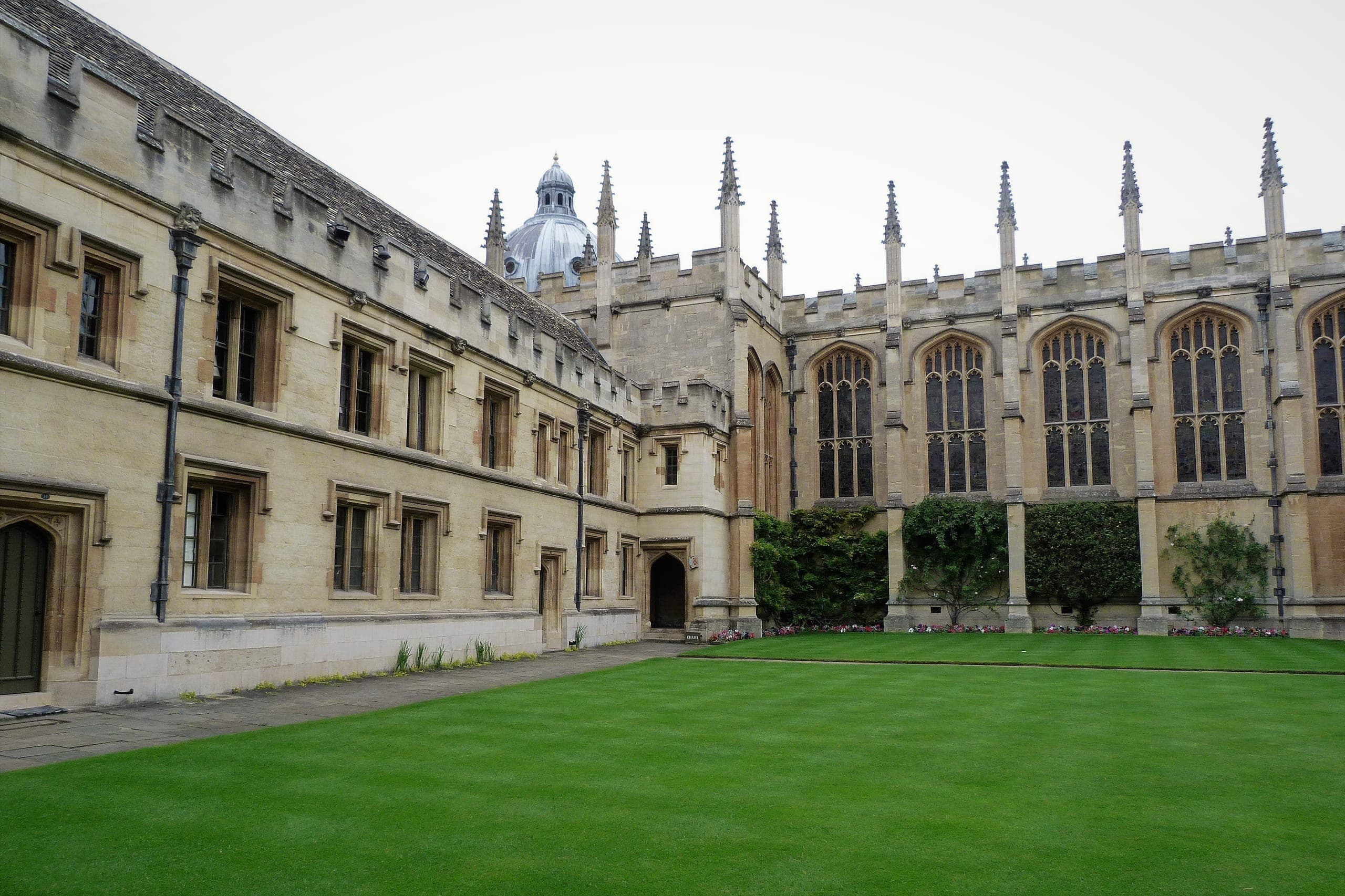
31 colleges offer this subject. 19% of places come through the pool.
CambridgeはコレッジベースUT大学であり、確認済み記録では31のコレッジが列挙されています。再配分プロセスはWinter Poolです。
確認済み記録では、2024年10月出願者の19%がWinter Poolに入れられました。オープン出願のパーセンテージはこのパスでは確認されていません。
コレッジを選択する際に、小さな入試確率の差を逆算しようとしないでください。実用的な適合性、宿舎、場所、雰囲気、そしてそのコレッジが関連年度にコースを提供しているかどうかを優先してください。
Section 13
キャリア情報は部分的です。FacultyのキャリアカテゴリーはD確認されましたが、Discover Uniのパーセンテージが使用される場合は職業タイプデータとしてラベル付けすべきです。そのため、このバージョンでは未確認のパーセンテージの主張は避けています。
公表可能なキャリアセクションは、特定の結果を約束するのではなく、確認済みのセクター、雇用主、大学院ルート、または公式の職業カテゴリーを使用すべきです。これはCambridgeの統計ではなく、編集上の安全策です。
Section 14
確認済み記録では、コンテキストデータは全体的に使用されると記載されています。特別事情はCambridgeのプロセスを使用すべきです。
これは、学校のコンテキスト、科目の利用可能性、病気、混乱、またはケアの責任が準備に影響した出願者にとって重要です。深刻な混乱はPersonal Statementだけに任せるのではなく、適切なCambridgeのルートを通じて提起すべきです。
Watch & Learn
学生ブログ・模擬面接・講義体験・入試アドバイス。
All videos are the property of their respective creators.
Further Reading
専門講師が推薦するSupercurricular読書リスト・ウェブサイト・ツール。