

Year
01 / 03
1
Part IA
心理学と行動科学の基礎
合計4科目を履修します。3科目は必修で、1科目は約9つの選択肢から選びます。

概要
Cambridge(ケンブリッジ大学)の心理・行動科学部(Psychological and Behavioural Sciences)はUCASコードC800の3年制BA(優等学位)で、最低オファー水準はA*A*AまたはIB 41〜42点(Higher Levelで776)です。コースはPart IAからPart IB・Part IIへと進み、一部の出願者には中央登録テストではなくカレッジが設定した評価詳細があります。
なぜCambridgeでPsychological and Behavioural Sciencesを?
Cambridge 心理・行動科学部は現在の学部課程研究ページの公式コースタイトルです。
日本語で学ぶための実践ガイド
面接や出願書類では、知識の量だけでなく、考え方を筋道立てて説明する力が見られます。次の流れで、授業や読書の内容を自分の言葉に変えてみましょう。
設問の動詞を確認し、何を説明・比較・証明するのかを一文で書きます。
授業ノートや資料から、主張を支える具体例を二つ選びます。
結論、根拠、理由の順で答え、最後に問いへ戻します。

Section 01
下のマップで自国をクリックすると、出願に必要な情報(受け入れられる資格、要求スコア、英語要件、現地の文脈)が表示されます。
International Applicants
Pick a highlighted country to see the admissions-test, score, and English-language requirements that apply for applicants from that country.
Section 02
| Qualification | Typical Offer | Key Requirements |
|---|---|---|
| A-Level | A*A*A | Mathematics, Biology, Chemistry, Physics, Computer Science, Psychology recommended. |
| IB Diploma | 40–42 with 776 at HL | |
| Advanced Placement (AP) | Minimum five AP Tests at score 5 in subjects relevant to the course, plus strong SAT or ACT results and high High School Diploma performance. |
Section 03
Jun–Jul 2026
オープンデー・志望カレッジの絞り込み
Visit Cambridge in person if you can. Open days run in late June and early July. Begin narrowing your college list and reading first-year reading lists.
Sep 2026
Personal Statementの下書き
Write for the subject, not the institution. Cambridge admissions tutors look for ~80% academic content and genuine super-curricular engagement.
15 Oct 2026
UCAS締め切り
Submit your UCAS application by 18:00 UK time on 15 October 2026.
22 Oct 2026
My Cambridge Application締め切り
Complete the My Cambridge Application supplementary questionnaire by 18:00 UK time on 22 October 2026. This replaced the old SAQ.
10 Nov 2026
提出論文の締め切り
Most arts and humanities courses ask for one or two pieces of marked school work. Each college confirms its exact deadline; 10 November is the standard date.
Dec 2026
面接
Around three-quarters of applicants are interviewed. Typically 1–2 interviews of 25–45 minutes each at your chosen or allocated college.
27 Jan 2027
主要判定の発表
Cambridge releases its main decisions on 27 January 2027. Around a quarter of offers are made through the Winter Pool, strong applicants reconsidered by colleges with remaining places.
Jun–Jul 2026
オープンデー・志望カレッジの絞り込み
Visit Cambridge in person if you can. Open days run in late June and early July. Begin narrowing your college list and reading first-year reading lists.
Sep 2026
Personal Statementの下書き
Write for the subject, not the institution. Cambridge admissions tutors look for ~80% academic content and genuine super-curricular engagement.
15 Oct 2026
UCAS締め切り
Submit your UCAS application by 18:00 UK time on 15 October 2026.
22 Oct 2026
My Cambridge Application締め切り
Complete the My Cambridge Application supplementary questionnaire by 18:00 UK time on 22 October 2026. This replaced the old SAQ.
10 Nov 2026
提出論文の締め切り
Most arts and humanities courses ask for one or two pieces of marked school work. Each college confirms its exact deadline; 10 November is the standard date.
Dec 2026
面接
Around three-quarters of applicants are interviewed. Typically 1–2 interviews of 25–45 minutes each at your chosen or allocated college.
27 Jan 2027
主要判定の発表
Cambridge releases its main decisions on 27 January 2027. Around a quarter of offers are made through the Winter Pool, strong applicants reconsidered by colleges with remaining places.
Section 04

Psychological and Behavioural Sciences(University of Cambridge)の2027年度入試では、出願者に書面の入試テストは課されません。出願は推薦書・成績・パーソナルステートメント・提出物・面接で評価されます。
Always verify on the official Oxford admissions tests page.
Section 05
Interview Invitation
Late Nov
Arrival to Interview
Early Dec
Technical Question
Mid Dec
Decision
Early Jan
Interview Invitation
Late Nov
Arrival to Interview
Early Dec
Technical Question
Mid Dec
Decision
Early Jan
Question Types You’ll See
Cambridge は面接を学術的な会話と説明しています。
面接では学術的な興味について議論し・なじみのない素材に対応し・学術的な会話の中で声に出して推論するよう求められることがあります。
重要なのは洗練されて聞こえることではありません。ゆっくりし・用語を定義し・説明をテストし・面接官が新しい情報を提供したときに調整することが役立ちます。
Psychological and Behavioural Sciencesを含む全学科の模擬面接練習問題バンクで本番さながらの問題を練習しましょう。
無料練習問題 →
Section 06
Cambridge は入学判定を総合的で全ての利用可能な情報に基づくものと説明しています。
ビジュアルの判定比重のパーセンテージは参考値です。Cambridge は数値的な重みを公表していないからです。
実際には、PBS出願者はファイル全体にわたる証拠が必要です:科目の準備・明確な思考・良い学業軌跡・なじみのない素材を扱うための十分な柔軟性。
Our recommendation · weighting of admission factors
Oxbridge Mentors recommendation, drawn from observed offer patterns. University of Cambridge does not publish official weightings - exact balance varies by college, course and year.
Section 07

Personal Statementを有名な実験のリストにしないでください。1〜2つのアイデアを使ってどのように考えるかを示してください。
強いPBSの段落は通常、問いから始まり・読んだ証拠を提示し・何がより複雑になったかを説明します。ずっと人間に興味を持っていたと言うよりも効果的です。
コースは人類学・神経科学・哲学・社会学と重なるため、学問分野間の繋がりをどのように扱うかを示すことが役立ちます。
学校の心理学・生物学・数学・社会科学の学習は慎重に使ってください。重要なのは、すでに学位の内容を知っていることを証明するのではなく、正確な問いを立て証拠に従うことができることを示すことです。
Section 08
有益なPBSプロジェクトは大規模でも劇的でもありません。方法と限界を説明できる程度に制御されていることが重要です。
少量のサンプルから一般的な行動の法則を証明したかのように誇張しないでください。振り返りは自分のプロジェクトが一般法則を証明したふりをするより重要です。
プロジェクトの提示方法:
その他のSupercurricular活動は出願を飾るのではなく思考を強化すべきです。
これらはサポートであり、代替ではありません。弱い活動も注意深く分析すれば有用になります。
コンペティションは必須ではありませんが、文章・研究習慣・証拠評価を伸ばすことができます。PBSの思考を実際に発展させるものを選んでください。
いずれも必須ではありません。1〜2つをよく行う方が5つを中途半端に行うより価値があります。

Section 09
Year
01 / 03
1
心理学と行動科学の基礎
合計4科目を履修します。3科目は必修で、1科目は約9つの選択肢から選びます。
Year
02 / 03
2
特化したトレーニングと研究の準備
合計4科目を履修します。2科目は必修で、2科目は幅広い選択肢から選びます。
Year
03 / 03
3
上級選択肢と独立した研究
7,000語の研究論文を完成させ、さらに利用可能な選択肢から3科目を選びます。
Section 10
Thinking, Fast and Slow は判断と意思決定に役立ち、一方 Social Cognition: From Brains to Culture は社会認知へのより厳密なルートを提供します。
YaleCourses はPaul Bloomの心理学講義を収録しており、CrashCourseは心理学のコアトピックの短いレビューを提供し、 American Psychological Association は研究と応用心理学のコンテキストを提供します。
Speaking of Psychology と Under the Cortex は一般的な心理学クリップよりも研究主導のトピック選択に適しています。
Introduction to Psychology と Starting with psychology は幅広い心理学の基礎と方法・証拠・限界を議論するために必要な語彙の構造化された出発点です。
良い準備パターンは1冊の本・1つの講義シリーズ・1つの研究方法の習慣です。各リソースの後に方法・証拠・限界についての短いメモを書いてください。

Section 11
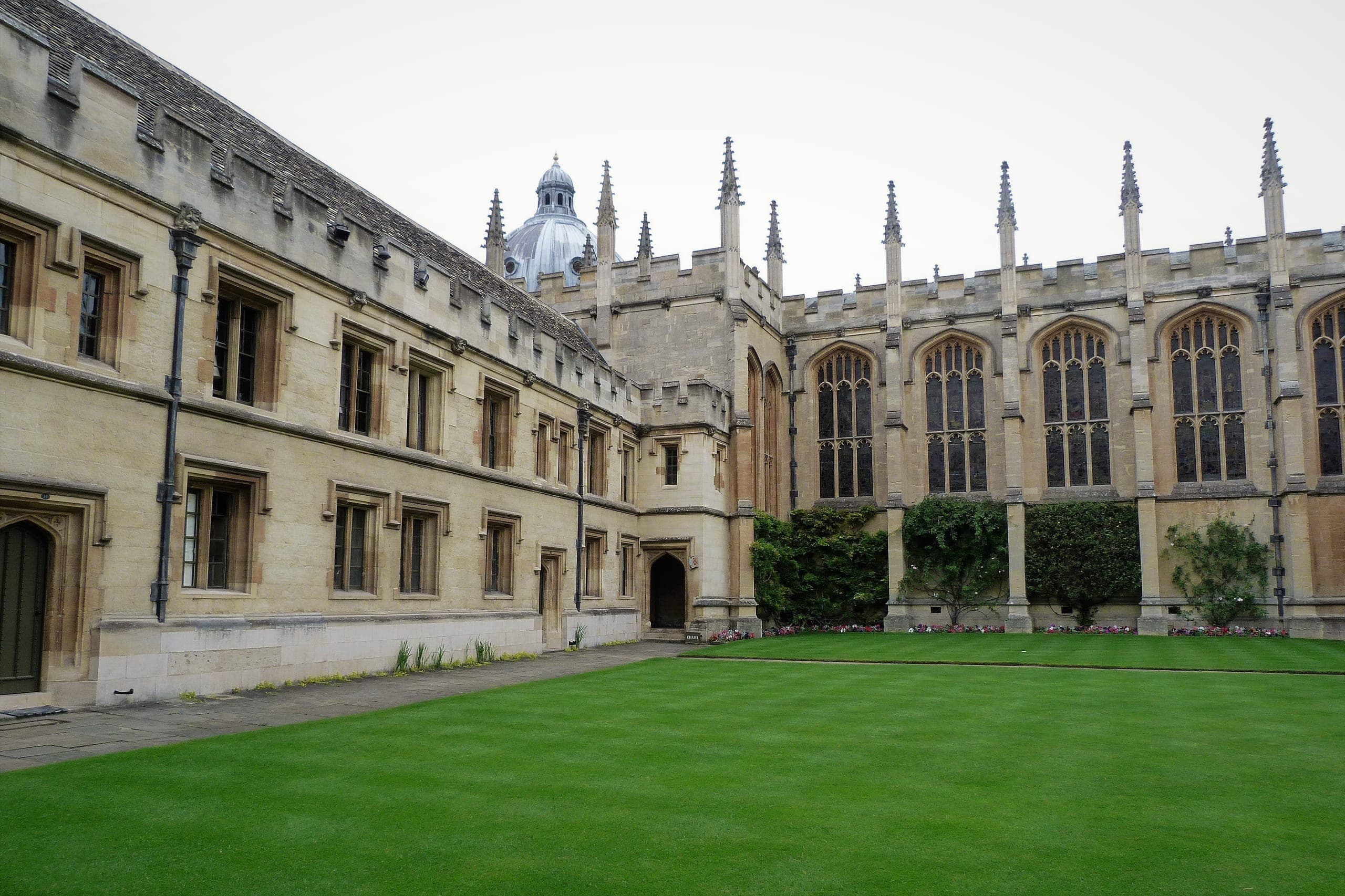
29 colleges offer this subject. 19% of places come through the pool.
PBSは現在のコースページでPeterhouseを除く全カレッジで利用可能です。
カレッジ選びは最初に評価される場所に影響し、面接形式・カレッジ固有の評価・提出論文の指示などの実際的な詳細にも影響することがあります。
Cambridge のWinter Poolはカレッジ間の調整プロセスで、2024年10月の出願の約19%がWinter Poolに入りました。
推測される入学上の優位性ではなく実際的なフィット感でカレッジを選んでください。より安全な問いは、そのPBS評価と提出論文の要件を理解しているかどうかです。
Section 12
公式コースページのキャリア文脈には、メディア・管理・公務員・金融・法律・ビジネスも含まれます。
このセクションは慎重に使用してください:PBSは多くのルートへの準備に役立ちますが、プロの心理士は通常、学部課程後にさらなる認定トレーニングが必要です。
Section 13
Cambridge は文脈データを使って文脈の中で出願者を評価しますが、文脈フラグは面接・オファー・または低い条件付きオファーを保証するものではありません。
学術的な成果が依然として中心です。
個人的な状況はUCAS推薦書を通じて、または必要な場合はCambridge の学習中断ルートを通じて提供することができます。
Watch & Learn
学生ブログ・模擬面接・講義体験・入試アドバイス。
Paul Bloom introduces Yale's Psychology 110.
Lecture linking identity, brain function and psychological explanation.
Overview of psychology's questions, approaches and scope.
Introduces research design and testable questions.
Introduction to neurotransmitters and biological bases of behaviour.
All videos are the property of their respective creators.
Further Reading
専門講師が推薦するSupercurricular読書リスト・ウェブサイト・ツール。