

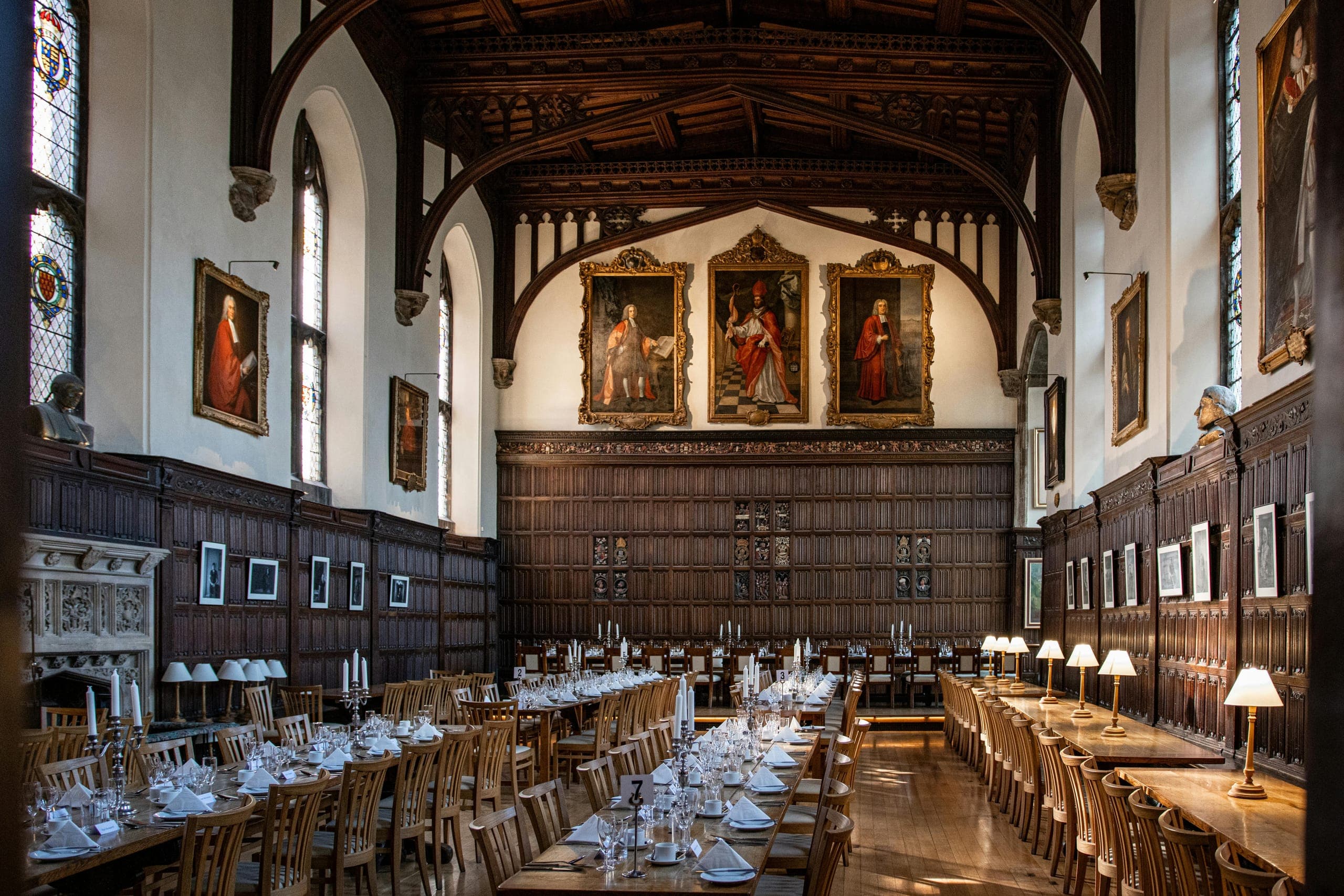
Year
01 / 04
1
Year 1
1年次:Design Engineeringの基礎

概要
Imperial College LondonのDesign Engineering(UCASコード:H171)はDyson School of Design Engineeringが運営する4年制MEng課程です。機械・電子工学・計算手法・人間中心設計を組み合わせ、豊富なスタジオ・プロジェクト作業と最終学年のチームまたは個人プロジェクトが特徴です。ImperialはESAT(Mathematics 1、Mathematics 2 - Design Engineeringは3つではなく2つのESATモジュールを使用)を必須とし、候補者リストに選ばれた出願者は討論形式の面接に招待されます。
なぜImperialでDesign Engineeringを?
ImperialのDesign EngineeringはTimes Good University GuideのGeneral Engineeringテーブルで4位と示されていますが、確認済みのソースにはDesign Engineering専用のランキングが公表されていません。ピア比較は完全なコース対コースのランキングではなく、プロキシとしてGeneral Engineeringを使用しています。
日本語で学ぶための実践ガイド
面接や出願書類では、知識の量だけでなく、考え方を筋道立てて説明する力が見られます。次の流れで、授業や読書の内容を自分の言葉に変えてみましょう。
設問の動詞を確認し、何を説明・比較・証明するのかを一文で書きます。
授業ノートや資料から、主張を支える具体例を二つ選びます。
結論、根拠、理由の順で答え、最後に問いへ戻します。

Section 01
下のマップで自国をクリックすると、出願に必要な情報(受け入れられる資格、要求スコア、英語要件、現地の文脈)が表示されます。
International Applicants
Pick a highlighted country to see the admissions-test, score, and English-language requirements that apply for applicants from that country.
Section 02
| Qualification | Typical Offer | Key Requirements |
|---|---|---|
| A-Level | A*AA | A* in Mathematics required. General Studies, Critical Thinking not accepted.A in two further subjects. Both scientific and non-scientific A-levels are welcomed. If made an offer, applicants must pass the practical endorsement in all science subjects that form part of the offer. |
| IB Diploma | 39 points overall | HL: 7 in Mathematics at Higher Level, 6 in another subject at Higher Level required.Mathematics: Analysis and Approaches or Applications and Interpretation are accepted at Higher Level with no preference. |
| Advanced Placement (AP) | 5, 5, 5 overall | 5 in Calculus BC, 5 in two other subjects required. SAT/ACT: ACT/SAT scores are not accepted for undergraduate entry.AP route verified from Imperial's 2027 course-page snippet: 5,5,5 overall including 5 in Calculus BC and 5 in two other subjects. Do not state that AP details are unavailable. |
Section 03
June 2026
UAT-UKアカウント作成開始
Account creation, access-arrangements requests and bursary applications open on 1 June 2026 at 15:00 BST.
July-December 2026
ESATの受験を予約する
October sitting: booking opens 20 July and closes 28 September 2026. January sitting: booking opens 26 October and closes 21 December 2026.
October 2026
10月のESAT試験ウィンドウ
12-16 October 2026.
November 2026-February 2027
面接ウィンドウとESAT結果
Online interviews are typically November to February if shortlisted. October ESAT results are released on 16 November 2026; January ESAT results on 8 February 2027.
January 2027
UCAS締切と1月のESAT受験
January ESAT test window is 4-8 January 2027. UCAS equal-consideration deadline is 13 January 2027 at 18:00 UK time.
March-June 2027
各大学からの判定と出願者の返答
Providers should aim to send decisions by 31 March 2027 for applications received by 13 January; reject-by-default date is 12 May 2027. Reply deadlines are 5 May or 2 June depending on when all decisions are received.
July-October 2027
ClearingとUCASの最終締切
Clearing opens 2 July 2027; final application deadline is 23 September 2027 at 18:00 UK time; last date to add a Clearing choice is 18 October 2027.
June 2026
UAT-UKアカウント作成開始
Account creation, access-arrangements requests and bursary applications open on 1 June 2026 at 15:00 BST.
July-December 2026
ESATの受験を予約する
October sitting: booking opens 20 July and closes 28 September 2026. January sitting: booking opens 26 October and closes 21 December 2026.
October 2026
10月のESAT試験ウィンドウ
12-16 October 2026.
November 2026-February 2027
面接ウィンドウとESAT結果
Online interviews are typically November to February if shortlisted. October ESAT results are released on 16 November 2026; January ESAT results on 8 February 2027.
January 2027
UCAS締切と1月のESAT受験
January ESAT test window is 4-8 January 2027. UCAS equal-consideration deadline is 13 January 2027 at 18:00 UK time.
March-June 2027
各大学からの判定と出願者の返答
Providers should aim to send decisions by 31 March 2027 for applications received by 13 January; reject-by-default date is 12 May 2027. Reply deadlines are 5 May or 2 June depending on when all decisions are received.
July-October 2027
ClearingとUCASの最終締切
Clearing opens 2 July 2027; final application deadline is 23 September 2027 at 18:00 UK time; last date to add a Clearing choice is 18 October 2027.
Section 04

2027年度入学のDesign Engineering出願者は、通常ESATと略されるEngineering and Science Admissions Testを受験する必要があります。必要なESATモジュールはMathematics 1とMathematics 2です。
ESATはUniversity Admissions Tests UKが運営し、Pearson VUEのテストセンターネットワークを通じて実施されます。UAT-UKはこのサイクルで2つの試験ウィンドウを設けています:2026年10月12〜16日と2027年1月4〜8日。
アカウント作成・アクセス手続きの申請・奨学金申請は2026年6月1日(英国夏時間15:00)より開始。10月予約は2026年7月20日(英国夏時間15:00)開始、2026年9月28日(英国夏時間18:00)締切。1月予約は2026年10月26日(英国標準時15:00)開始、2026年12月21日(英国標準時18:00)締切。
10月の結果は2026年11月16日に、1月の結果は2027年2月8日に発表されます。UAT-UKではESATに合格・不合格のスコアはないと述べているため、非公式なスコアをボーダーラインの基準として扱わないようにしてください。
海外出願者にとって、このテストは資格制度や学校システムを超えてImperialが共通の指標として活用できるものです。全出願者がESATを受験する必要があるため、主要な比較ツールとなりますが、単独の公表カットオフとしてではなく、他の出願情報と合わせて使用されます。特にテストセンターの日程や定員が限られている地域では、早めのテストセンター予約計画が効果的です。
ESAT完全対策ガイド | 試験形式・採点・戦略・練習リソース。
ESATガイド →Section 05
Interview Invitation
Late Nov
Arrival to Interview
Early Dec
Technical Question
Mid Dec
Decision
Early Jan
Interview Invitation
Late Nov
Arrival to Interview
Early Dec
Technical Question
Mid Dec
Decision
Early Jan
Question Types You’ll See
コースの記録では、出願書類が十分なポテンシャルを示している出願者に対してオンライン面接が行われることが説明されています。面接には関心と適性を評価する質問・問題と、自身の作業やプロジェクトについて最長2分間話す機会が含まれます。
候補者リストに選ばれた出願者の通常の面接ウィンドウは11月から2月です。面接の回数・時間・パネルの人数は現在公表されていないため、これらの詳細を固定数値として公開しないでください。
面接の準備は、暗記したパフォーマンスではなく簡潔な説明の練習が効果的です。優れたプロジェクトの話し合いは通常、選んだ問題・直面した制約・失敗したこと・変更した点・学んだことを明確に示します。
Design Engineeringを含む全学科の模擬面接練習問題バンクで本番さながらの問題を練習しましょう。
無料練習問題 →
Section 06
このページのImperialの判定基準には、学業記録と予測・達成成績・ESAT成績・面接成績・UCAS出願書類・Personal Statement・推薦状・設計またはプロジェクトの証拠が含まれるべきです。これらの基準に対して公式のパーセンテージ比重は公表されていません。
つまり、安全な表現は得点式ではなく総合的な選考です。このコースの学術基準はA-LevelでA*AA、IB総合39点、AP全体で5,5,5を要求します。
ESATと面接はコース固有の証拠を加えます。ESATはMathematics 1とMathematics 2を試し、面接は関心・適性・自身の作業やプロジェクトについて議論する能力を試します。実際には、準備はすべての3つの部分を一貫させるべきです。数学的流暢さ・設計の判断力・明確な振り返りがその要素です。
Our recommendation · weighting of admission factors
Oxbridge Mentors recommendation, drawn from observed offer patterns. Imperial College London does not publish official weightings - exact balance varies by college, course and year.
Section 07

Design EngineeringのPersonal Statementは、一般的なEngineering(工学)のPersonal Statementのようには読まれるべきではありません。数学的なアイデア・物理的またはデジタルなプロトタイプ・ユーザーや市場の制約の間をどのように行き来するかを示すことが有効です。
活動の長いリストよりも、1〜2つの例を深く掘り下げましょう。ESATと面接がすでに数学的適性を試すため、Personal Statementは設計プロセスに集中できます。気づいた問題・使用したモデルや方法・直面したトレードオフ・テスト後に設計がどのように変わったかを示してください。
あまりにも早く単一のキャリアパスについて確信を持って語ることは避けてください。このコースは設計・工学・プロダクト開発・実習を組み合わせているため、将来のすべてを解決したかのような素振りなしに、これらの分野への好奇心を示すことができます。
Section 08
面接には簡潔な自身の作業またはプロジェクトの話し合いが含まれるため、プロジェクトは重要です。プロジェクトをプロセスの証拠として捉えてください。価値は何を作ったかだけではなく、問題をどう枠組みし・結果をどうテストし・アプローチをどう変えたかにあります。
プロジェクトの提示方法:
このコースで有用なプロジェクトの方向性には、補助器具プロトタイプ・持続可能なプロダクトの分解と再設計・データに基づく物理インターフェースが含まれます。よく文書化されたプロジェクト1つは、通常、未完成のプロトタイプ複数よりも有用です。
その他の準備はImperial Design Engineeringの数学・人的要因・設計プロセス・コンピュータ支援工学・電子工学・メカトロニクス・データサイエンスという組み合わせに直接結びつくものであるべきです。良い証拠は学校のプロジェクト・独立した設計ノート・小さなプロトタイプ・反省的な読書から得られます。
これらの活動は出願をサポートするものであり、学術・ESAT・面接の要件の代わりにはなりません。
コンペティションは公式な入試要件ではなく、選択的な準備です。記録されているコンペティションの例は以下の通りです:
コンペティションはいずれも必須ではありません。1〜2つを丁寧に仕上げる方が、5つを中途半端に取り組むより価値があります。

Section 09
Year
01 / 04
1
1年次:Design Engineeringの基礎

Year
02 / 04
2
2年次:統合工学とプロダクト開発
Year
03 / 04
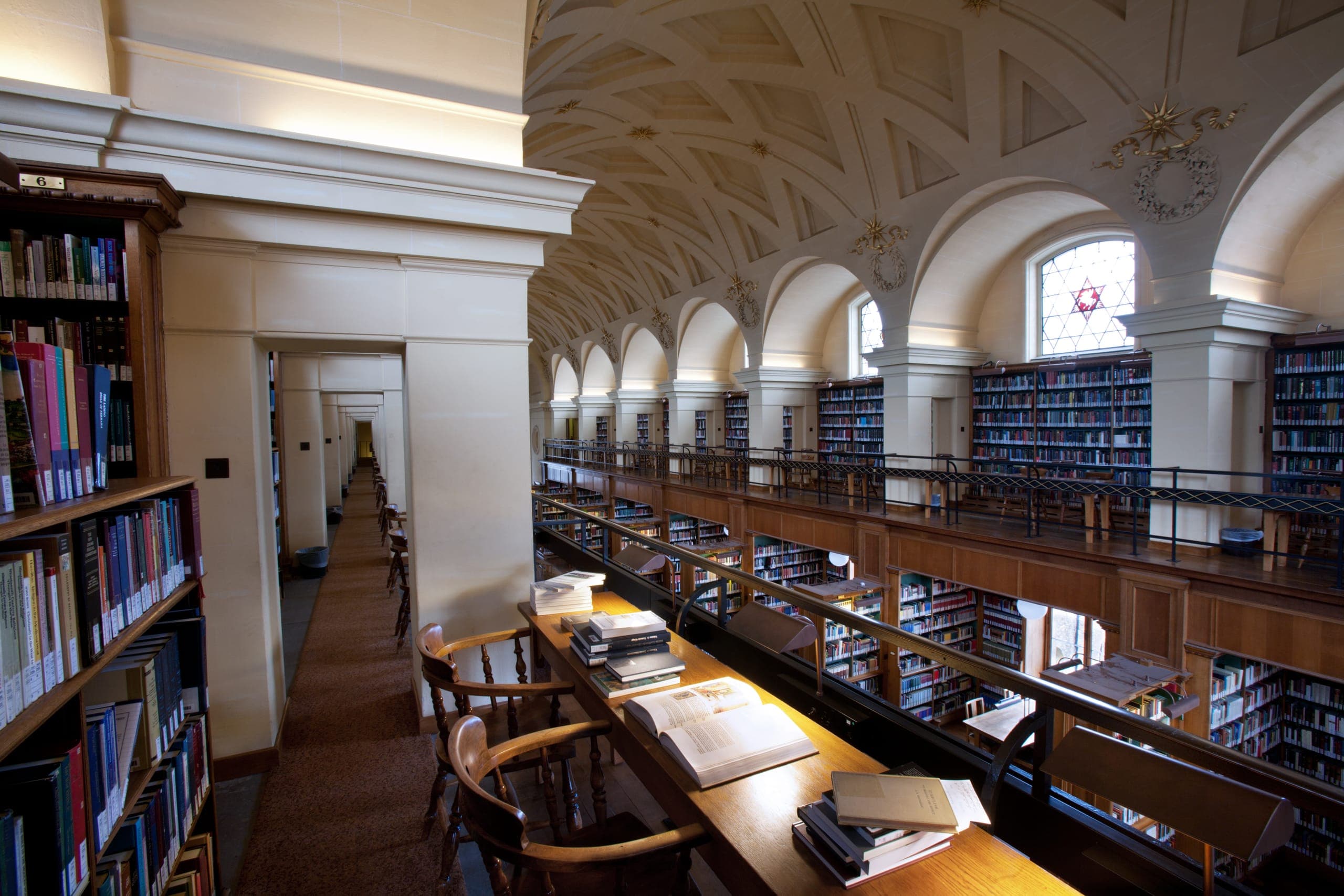
3
3年次:選択科目と産業実習
Year
04 / 04
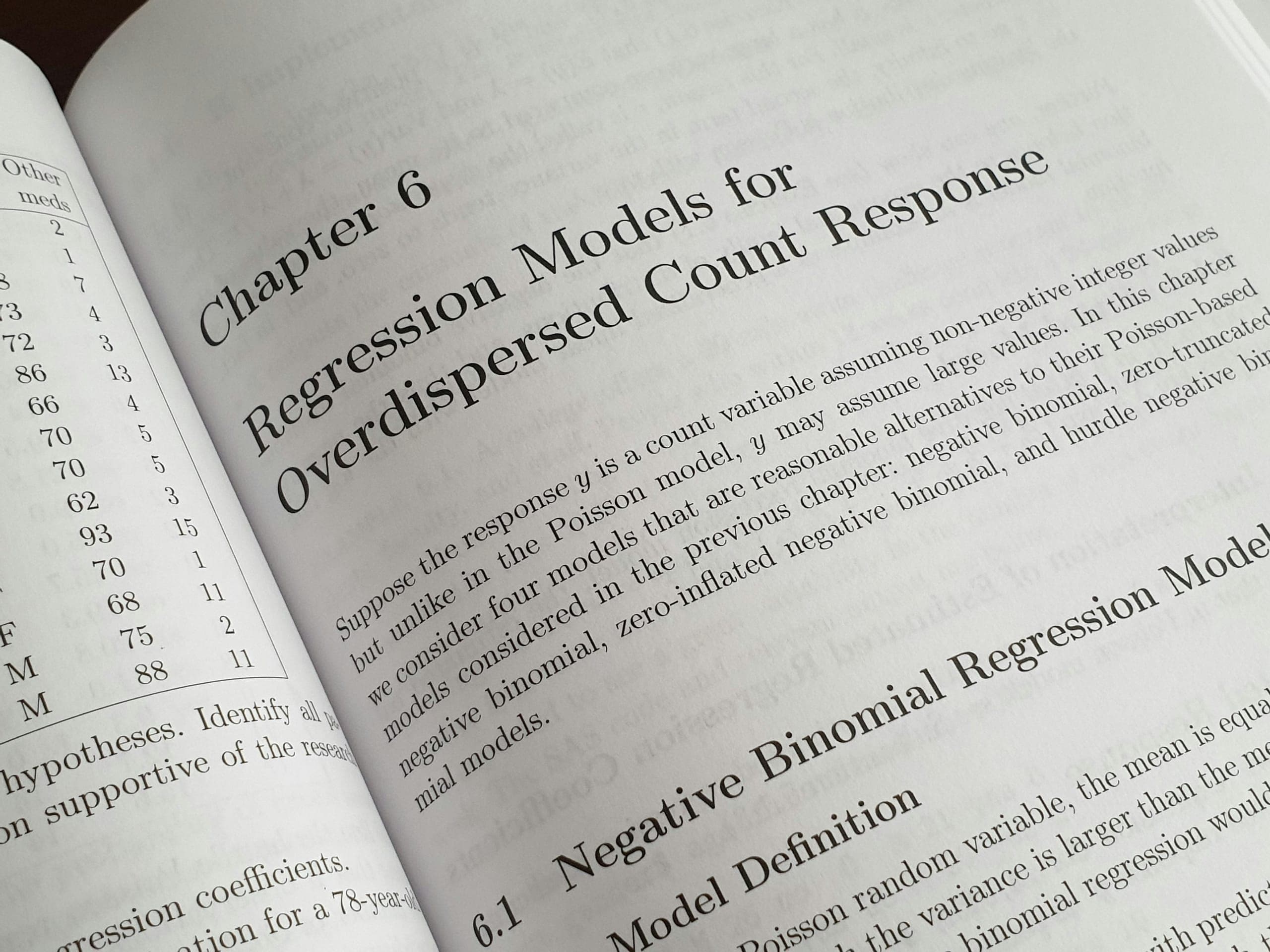
4
4年次:高度な選択科目と最終プロジェクト
Section 10
このコースでは、ポートフォリオの準備は別個のアップロードではなく面接準備として位置づけることが最適です。問題の枠組み・制約・テスト・反復を示せるプロジェクトを1つ選びましょう。
簡潔なショーケースでは設計上の意思決定が見えるようにしましょう。使用した証拠・失敗したこと・変更した点・次に改善するポイントを示してください。洗練されたビジュアルだけに頼るのは避けましょう。最も優れた話し合いは通常、プロトタイプやアーティファクトの背後にある推論です。

Section 11
まずはImperial Design Engineering MEngコースページから始めましょう。2027年のページの公式コースソースです。UCAS Design Engineering MEng プロフィールを使用して、2027年のコースリストと出願の詳細をクロスチェックしてください。
入試テストの準備には、 UAT-UK ESAT ページとPearson VUE UAT-UKテスト実施ページを活用してください。テストと実施方法のソースです。就職先については、Discover Uni Design Engineeringコースデータを使用してください。コースと卒業生の就職先データが提供されています。
各アイテムの関連性と正確性が個別に確認されない限り、メインリソースリストにサードパーティの書籍・動画・コンペティションを含めないでください。

Section 12
Discover Uniによると、30名の学生を対象としたサンプルコホートの95%が卒業15ヵ月後に就業・就学しており、職業データは25名を対象としています。キャリアセクターの図は、Discover Uniのカテゴリを正規化したものであるため参考値としてご覧ください。また、四捨五入の関係でソース表示の合計が100%を超える場合があります。
Section 13
UCASによれば、Imperialは総合的な入試アプローチを採用しており、コンテクスト情報を考慮します。このコースにおいては、コンテクストの状況はImperialの現在のコンテクスト型入試方針がDesign Engineeringについて確認している場合を除き、保証された減額オファーとしてではなく、出願が審査される方法の一部として提示されるべきです。
出願者は、学校・アクセス・障害・軽減状況に関する関連コンテクストを、正しいUCAS・推薦状・公式大学ルートを通じて提供するようにしてください。実際のところ、強い学術的証拠・ESAT成績・面接成績・設計・プロジェクトの証拠は、依然として単一のカットオフに還元されることなく総合的に評価される必要があります。
Watch & Learn
学生ブログ・模擬面接・講義体験・入試アドバイス。
Student-life video from the Dyson School of Design Engineering, included as contextual viewing rather than admissions evidence.
All videos are the property of their respective creators.
Further Reading
専門講師が推薦するSupercurricular読書リスト・ウェブサイト・ツール。