

Year
01 / 04
1
Engineering Tripos Part IA
工学の基礎
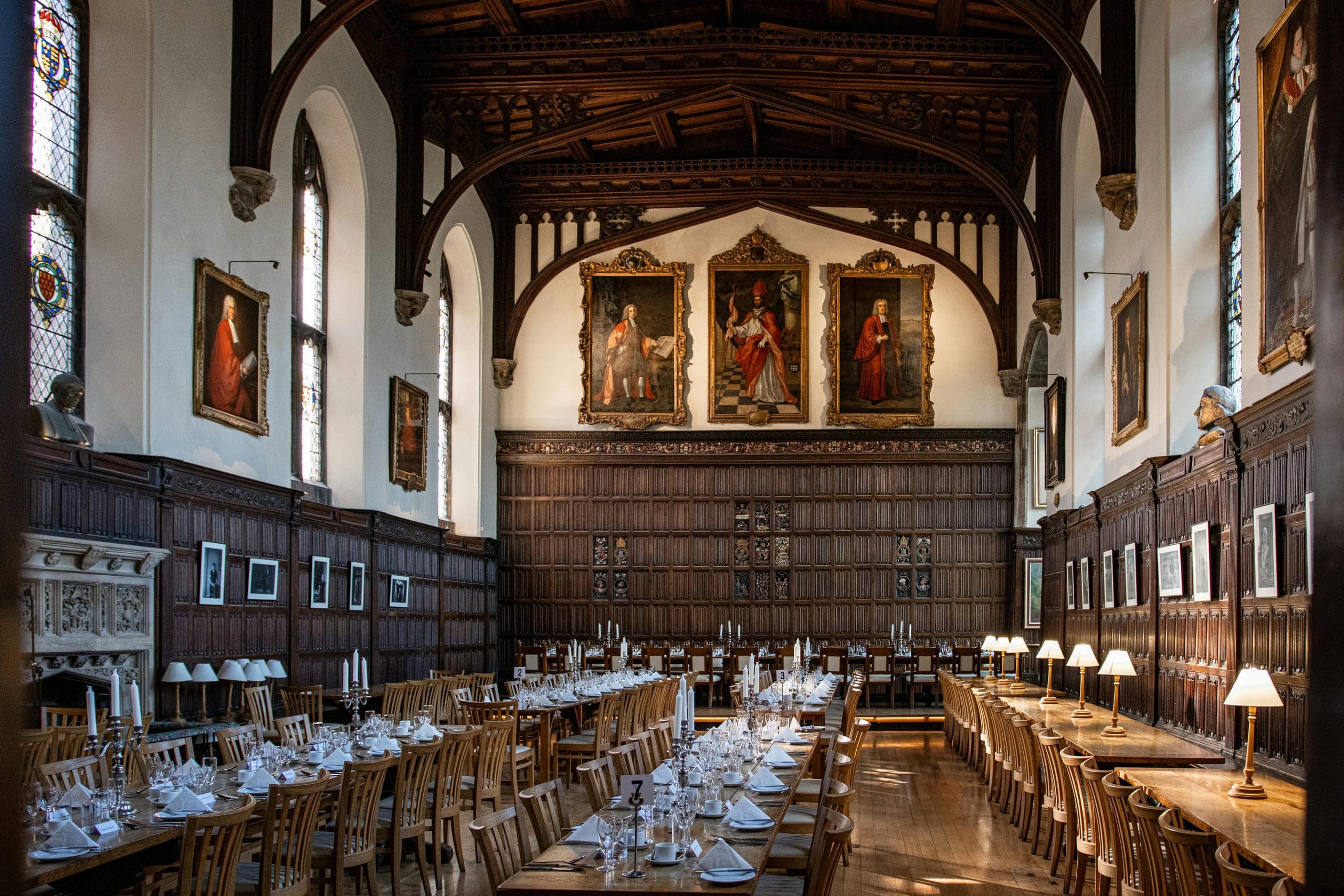
1年次では、すべてのEngineering学生が科目の主要分野にわたる幅広い基礎を学びます。学生は後に専門を選択するまえに共通コア分野を学ぶため、機械工学・土木工学・電気工学・航空宇宙工学・その他の工学ルートに個別に出願する必要はありません。

概要
Cambridge Engineeringは幅広いコースで、UCASコードH100、標準A-LevelオファーはA*A*Aです。学生は個別の機械工学・土木工学・電気工学・航空宇宙工学の学位ではなく、Engineeringとして出願し、最初の2年間で共通基礎を築き、Part IIA以降で専門化します。コースは4年制MEng、または3年制BAルートへと進むことができます。
なぜCambridgeでEngineeringを?
ランキングの主張はEngineeringとGeneral Engineeringを異なる形で定義する英国のガイドがあるため、出典ラベルが必要です。Cambridge はここで使用しているGuardian University Guide 2026ランキングで第1位であり、Cambridge自身のコースページではComplete University Guide 2026でEngineeringについてCambridgeが第2位と記載されています。
日本語で学ぶための実践ガイド
面接や出願書類では、知識の量だけでなく、考え方を筋道立てて説明する力が見られます。次の流れで、授業や読書の内容を自分の言葉に変えてみましょう。
設問の動詞を確認し、何を説明・比較・証明するのかを一文で書きます。
授業ノートや資料から、主張を支える具体例を二つ選びます。
結論、根拠、理由の順で答え、最後に問いへ戻します。

Section 01
下のマップで自国をクリックすると、出願に必要な情報(受け入れられる資格、要求スコア、英語要件、現地の文脈)が表示されます。
International Applicants
Pick a highlighted country to see the admissions-test, score, and English-language requirements that apply for applicants from that country.
Section 02
| Qualification | Typical Offer | Key Requirements |
|---|---|---|
| A-Level | A*A*A | Mathematics, Physics required. Further Mathematics to AS or A level if offered by the applicant's school recommended.Colleges usually require A* in Mathematics and/or Further Mathematics and often ask for A*/7 in Physics or another science subject. Peterhouse applicants may also be asked for grade 2 in STEP II. T-Levels are not accepted for Cambridge Engineering. |
| IB Diploma | 41-42 points, with 776 at Higher Level | HL: Mathematics: Analysis and Approaches, Physics required.Some Colleges may make IB offers above the minimum, ask for 777 or a higher total, or require 7 in particular subjects. |
| Advanced Placement (AP) | A minimum of 5 AP Test scores at Score 5 in subjects related to the course, plus a high SAT or ACT score and high overall High School Diploma GPA | AP Calculus BC strongly preferred where Mathematics and Further Mathematics are expected, AP Physics C: Electricity and Magnetism preferred, AP Physics C: Mechanics preferred required. Additional AP Tests in subjects closely related to Engineering recommended. SAT/ACT: SAT minimum combined score 1500 with Mathematics 750+, or ACT composite 33; Science-course applicants should also achieve ACT Science Score 33 where ACT is used.AP, SAT and ACT results should normally be achieved within two years of matriculation. Applicants must disclose all tests taken and scores achieved, including retakes. |
Section 03
1 JUN - 28 SEP
ESATへの登録と予約
Create a UAT-UK account from 1 June 2026, book from 20 July, and complete booking by 28 September 2026 at 6pm UK time. Access-arrangements requests are due by 14 September and bursary requests by 21 September.
12–16 OCT
ESATの受験
Standard Cambridge Engineering applicants must sit the October ESAT test window. Applicants in China, Hong Kong or Macau sit the ESAT on 12 or 13 October.
15 OCT
UCASの提出
Submit the UCAS application for Cambridge Engineering by 15 October 2026 at 6pm UK time.
22 OCT
My Cambridge Applicationの提出
Most applicants must submit My Cambridge Application by 22 October 2026 at 6pm UK time after receiving the link from Cambridge.
NOV - EARLY DEC
面接招待の確認
Most interview invitations are sent in November, with some arriving in early December. The timing of the invitation does not indicate application strength.
7–18 DEC
Cambridge面接への参加
The main 2027-entry interview period is 7 to 18 December 2026. Interviews may be online or in person depending on the College assessing the application; most applicants have 1 or 2 interviews, usually lasting 35 minutes to 1 hour in total.
27 JAN
Cambridgeの決定通知の受領
Applicants interviewed in the December 2026 main interview period receive their Cambridge decision on 27 January 2027.
2 JUN
必要に応じてUCASオファーへの返答
If all your UCAS choices have replied by 12 May 2027, the UCAS undergraduate reply deadline is 2 June 2027.
AUG
試験結果と確定
Exam results are released in August 2027 and Cambridge confirms final decisions after results are available. Cambridge must receive results for October 2027 entry by 31 August 2027.
1 JUN - 28 SEP
ESATへの登録と予約
Create a UAT-UK account from 1 June 2026, book from 20 July, and complete booking by 28 September 2026 at 6pm UK time. Access-arrangements requests are due by 14 September and bursary requests by 21 September.
12–16 OCT
ESATの受験
Standard Cambridge Engineering applicants must sit the October ESAT test window. Applicants in China, Hong Kong or Macau sit the ESAT on 12 or 13 October.
15 OCT
UCASの提出
Submit the UCAS application for Cambridge Engineering by 15 October 2026 at 6pm UK time.
22 OCT
My Cambridge Applicationの提出
Most applicants must submit My Cambridge Application by 22 October 2026 at 6pm UK time after receiving the link from Cambridge.
NOV - EARLY DEC
面接招待の確認
Most interview invitations are sent in November, with some arriving in early December. The timing of the invitation does not indicate application strength.
7–18 DEC
Cambridge面接への参加
The main 2027-entry interview period is 7 to 18 December 2026. Interviews may be online or in person depending on the College assessing the application; most applicants have 1 or 2 interviews, usually lasting 35 minutes to 1 hour in total.
27 JAN
Cambridgeの決定通知の受領
Applicants interviewed in the December 2026 main interview period receive their Cambridge decision on 27 January 2027.
2 JUN
必要に応じてUCASオファーへの返答
If all your UCAS choices have replied by 12 May 2027, the UCAS undergraduate reply deadline is 2 June 2027.
AUG
試験結果と確定
Exam results are released in August 2027 and Cambridge confirms final decisions after results are available. Cambridge must receive results for October 2027 entry by 31 August 2027.
Section 04

Cambridge Engineering出願者はEngineering and Science Admissions Test(ESAT)を受験しなければなりません。必要なESATモジュールはMathematics 1、Mathematics 2、Physicsです。2027年度入学の標準Cambridge出願者は2026年10月12〜16日の間にESATを受験します。
2026年10月受験のために、アカウント作成、アクセス配慮申請、奨学金申請は2026年6月1日に開始され、テスト予約は2026年7月20日午後3時(英国夏時間)に開始されます。2026年10月受験の予約締め切りは2026年9月28日午後6時(英国時間)です。2026年10月受験の結果は2026年11月16日に発表されます。
ESATにより、Cambridgeは異なる学校や資格制度からの優秀な出願者を比較するための追加の学業証拠を得ることができます。Cambridgeは合否のカットオフを公表していないため、ESATはより広い出願全体の一部として扱うべきです。国際出願者にとって、ESATは資格制度を超えた共通点であるため重要です。中国本土、香港、マカオからの出願者も10月の窓内で地域限定の受験日があります。
ESATは記憶テストではなく、時間制限のある問題解決テストとして準備してください。核心的な数学、力学、電気、物理モデリングにおける流暢さと、各練習セット後に誤りを明確に説明することに集中してください。
ESAT完全対策ガイド | 試験形式・採点・戦略・練習リソース。
ESATガイド →Section 05
Interview Invitation
Late Nov
Arrival to Interview
Early Dec
Technical Question
Mid Dec
Decision
Early Jan
Interview Invitation
Late Nov
Arrival to Interview
Early Dec
Technical Question
Mid Dec
Decision
Early Jan
Question Types You’ll See
Engineering面接は数学と物理学の問題解決に焦点を当てた問題ベースの学術的ディスカッションです。Cambridgeは面接で数学的推論、物理学原理の応用、未知の工学スタイルの問題、口頭での推論、プロンプトへの応答、スーパービジョン形式の指導の可能性をテストします。
最善の準備は、未知の問題を解決しながら声に出して考えることを練習することです。力学、回路、グラフの解釈、推定、デザインのトレードオフの問いを使用し、前提条件がどこで変わったかを確認してください。
良い面接の回答は磨き抜かれたスピーチではありません。面接官に自分が何を試みているか、どこが不確かか、ヒントを与えられたときにどのように反応するかを示すことが有益です。それは新しい問題に事前に準備した回答を押しつけることよりも重要です。
Engineeringを含む全学科の模擬面接練習問題バンクで本番さながらの問題を練習しましょう。
無料練習問題 →
Section 06
Cambridge Collegeは、学業記録、推薦状、Personal Statement、ESAT成績、コンテキストデータ、特別事情、該当する場合は面接パフォーマンスを使用して出願を全体的に評価します。図中で使用されている決定基準のウェイトは、Cambridge公式ウェイトではなく編集上の推定値です。
図中の最大推定要素は面接パフォーマンスが30%、ESATが25%、学業記録と予測・実績成績が25%です。Personal StatementとMy Cambridge Applicationは10%と推定され、推薦状、コンテキストデータ、特別事情も10%と推定されています。
実際には、ファイル全体として学術的に一貫している必要があります。強いESAT結果は有利ですが、科目準備の弱さを補うものではありません。強い面接は有利ですが、成績、コンテキスト、書面による出願とともに評価されます。
Our recommendation · weighting of admission factors
Oxbridge Mentors recommendation, drawn from observed offer patterns. University of Cambridge does not publish official weightings - exact balance varies by college, course and year.
Section 07

Personal Statementでは、工学が好きというだけでなく、工学についてどのように考えるかを示しましょう。数学、物理、デザイン、データ、または実践的な作業があなたの理解を変えた2〜3の例を選んでください。
Cambridge Engineeringにおいて、有効な段落はしばしば具体的な問題から始まります:予測よりも早く崩壊した橋、ノイズの多いデータを生成したセンサー、またはデザインの選択を変えたエネルギー計算など。次に使用したモデル、何が失敗し、何を学んだかを説明してください。
賞、書籍、職業体験のリストとしてPersonal Statementを使うことは避けましょう。技術的な省察:前提条件、トレードオフ、不確実性、反復、理論と実際のシステムとのつながり,を示すことに価値があります。
専門家の解説付き完全例文を見る。
Engineering PS例文 →Section 08
プロジェクト活動はモデリング、デザインの判断、測定、反復を示すことができるため、Engineeringに特に有益です。技術的に説明できる1つのプロジェクトは、表面的な複数の活動よりも優れています。
強力なプロジェクトのレポートは工学的な推論を可視化すべきです。数値、制約、モデル、テスト、失敗または不一致、そして次に何をするかの決定を含む必要があります。
プロジェクトの発表方法:
幅広いプロジェクトのアイデアとして、軽量構造物の設計・製作・テスト、エネルギー監査と低炭素再設計、センサー・制御・キャリブレーションプロジェクトなどがあります。
Engineeringに役立つSupercurricular活動には、数学的問題解決、物理学の深化、工学読書、実践的な制作、講義とオープンコース、コミュニケーションやチームワークが含まれます。その価値は、チェックリストを完成させることではなく、推論の証拠を築くことにあります。
これらの活動は出願をサポートするものであり、強力な学術的準備の代替ではありません。
コンペティションは必須ではありませんが、制約の中で問題解決を伸ばすことができます。良い省察を伴う1〜2回の真剣な取り組みは通常、5つの中途半端なエントリーよりも有益です。

Section 09
Year
01 / 04
1
工学の基礎
1年次では、すべてのEngineering学生が科目の主要分野にわたる幅広い基礎を学びます。学生は後に専門を選択するまえに共通コア分野を学ぶため、機械工学・土木工学・電気工学・航空宇宙工学・その他の工学ルートに個別に出願する必要はありません。

Year
02 / 04
2
高度なコア工学と早期の選択
2年次はより高いレベルで幅広い共通コアを継続しながら、エンジニアリング分野のトピックと、関連する場合は語学オプションを通じた選択を導入します。大きな特色として、チームでロボット車両を設計・製作し互いに競争させる統合デザインプロジェクトがあります。
Year
03 / 04
3
プロフェッショナルな専門化
Part IIAでプロフェッショナルな専門化が始まります。学生は通常、40以上の選択科目から10科目を選び、多くの組み合わせはCambridge Engineeringのプロフェッショナル分野の一つに対応していますが、より幅広いGeneral Engineeringルートを選ぶこともできます。
Year
04 / 04
4
統合修士レベルの学習
4年次は進級要件をクリアした場合のMEng年度です。学生は約80の選択科目から8科目を選び、時間の約半分を占める大規模な個人プロジェクトを完成させます。このプロジェクトは、多くの場合、学部の現在の研究や産業界との直接的な連携と関連しています。
Section 10
工学的推論を具体化するリソースから始めましょう。Engineering: A Very Short Introductionは工学が科学、デザイン、社会をどのように結びつけるかについての簡潔な概要であり、Structures: Or Why Things Don't Fall Downは材料、応力、破壊、構造についての直感を養います。
定量的なエネルギーについての思考には、スローガンではなく推定を強制するSustainable Energy – without the hot airが特に有益です。デザインの失敗と反復についてはTo Engineer Is Humanが、出願者が判断と不確実性について考えるのに役立ちます。
視覚的・実践的な説明としては、Practical Engineering、The Engineering Mindset、engineerguy、MIT OpenCourseWareがインフラ、電気、日常的な人工物、大学レベルの講義をカバーしています。積極的に活用しましょう:一時停止して計算し、モデルをスケッチし、説明が何を変えたかを確認してください。
より長期的な発展のために、Engineering Mechanics I、Engineering Mechanics II、Introduction to Computer Science and Programming in Pythonが力学、流体力学、プログラミングの流暢さを養います。Engineering Matters、The Engineering Commons Podcast、99% Invisibleは技術的選択をシステム、デザイン、プロフェッショナルな判断に結びつけるのに役立ちます。

Section 11
31 colleges offer this subject. 10.2% of applicants submit an open application. ~20% of places come through the pool.
Cambridgeには31のコレッジがあり、そのうち29が学部生を受け入れています。出願者は特定のコレッジに直接出願するか、Cambridgeがアルゴリズムによりコレッジを割り当てるオープン出願を行うことができます。
Engineeringにおいて、コレッジの選択はコミュニティ、宿舎、学生支援、一部のスーパービジョンの取り決め、時にはオファーの詳細に影響する場合があります。Engineeringコースの核心部分、講義、実習、プロジェクト、試験、学位は大学全体共通です。
Cambridgeは、出願件数の少ないコレッジを選択したり、オープン出願をしても、オファーの可能性は高まらないと述べています。審査するコレッジが出願に感銘を受けたが空きがない場合、そのコレッジは出願者をWinter Poolに入れ、他のコレッジがファイルを検討できるようにする場合があります。
2024年度サイクルにおいて、オープン出願はすべてのCambridge出願の10.2%を占め(Engineering単独ではない)、2024年10月出願の約19%がCambridge出願者ガイダンスによってWinter Poolに入れられ、表12.1では約20.6%と記録されています。
Section 12
Cambridge Engineeringの卒業生は技術・商業分野に進み、Careers Serviceの最新の工学卒業生調査によると、製造業が約20%、コンサルタントが12%、ITが9%、さらなる学習が約15%となっています。公式コースページの就職先の例として、Atkins、Airbus Defence and Space、Goldman Sachs、McKinsey & Company、Rolls-Royce plc、TTP plc、UK Atomic Energy Authorityが挙げられています。図中の残りの割合は編集上の残余カテゴリーであり、Cambridgeが公表した個別のパーセンテージではありません。
Section 13
Cambridgeはファイルのすべての部分を総合的に審査します:学業記録、推薦状、Personal Statement、入学審査試験の結果、コンテキストデータ、特別事情、そして面接を受けた場合の面接パフォーマンス。コンテキストデータは、系統的に低い条件付きオファーを出したり、学業成績が弱いことを免除するために使用されるわけではありません。
関連するコンテキストとして、ケア経験、難民・人道的保護の地位、疎遠、就学援助受給資格と提出された特別事情が含まれる場合があります。学校コンテキストの情報には、格差指標、地域分類、学校のGCSEまたはA-Levelの成績コンテキスト、過去5年間に5件未満のOxfordまたはCambridgeオファーがあった高校かどうかなどが含まれる場合があります。
Engineeringにおいて、Cambridgeが強く推奨し、学校が提供する場合は受講が期待されるFurther Mathematicsの利用可能性は重要です。学校がFurther Mathematicsを提供していない場合、出願者はコレッジに連絡し、可能であれば独立して追加の純粋数学と力学の準備を進めるべきです。ESATのアクセス配慮が必要な出願者は、ESATおよびTMUAのアクセス配慮申請の2026年9月14日締め切りに注意してください。
Watch & Learn
学生ブログ・模擬面接・講義体験・入試アドバイス。
Overview of studying Engineering at Cambridge and the problem-solving nature of the discipline.
Mock Engineering interview showing how mathematical and physical reasoning may be explored.
A higher-level talk useful for thinking about engineering design processes and systems.
Visual explanation of electricity useful for applicants strengthening circuit intuition.
Introductory MIT lecture on computation and programming, useful for modelling and engineering projects.
All videos are the property of their respective creators.
Further Reading
専門講師が推薦するSupercurricular読書リスト・ウェブサイト・ツール。