

Year
01 / 04
1
Year 1
Engineering Science の共通基礎課程(第1年度予備試験に向けて)。

概要
Oxford の Engineering Science は UCASコード H100 の4年制 MEng で、標準 A-Level オファーは A*A*A です。最初の2年間は共通カリキュラムで、専門化はその後に行われます。2027年度入学の出願者は ESAT 数学1、数学2、物理を受験する必要があります。
なぜOxfordでEngineeringを?
Engineering Science は Oxford の公式学部課程名であり、学位は4年制 MEng です。Oxford の学部課程は、複数の専門工学学部の集合ではなく、意図的に幅広いものとなっています。
日本語で学ぶための実践ガイド
面接や出願書類では、知識の量だけでなく、考え方を筋道立てて説明する力が見られます。次の流れで、授業や読書の内容を自分の言葉に変えてみましょう。
設問の動詞を確認し、何を説明・比較・証明するのかを一文で書きます。
授業ノートや資料から、主張を支える具体例を二つ選びます。
結論、根拠、理由の順で答え、最後に問いへ戻します。

Section 01
下のマップで自国をクリックすると、出願に必要な情報(受け入れられる資格、要求スコア、英語要件、現地の文脈)が表示されます。
International Applicants
Pick a highlighted country to see the admissions-test, score, and English-language requirements that apply for applicants from that country.
Section 02
| Qualification | Typical Offer | Key Requirements |
|---|---|---|
| A-Level | A*A*A with A* in Mathematics and Physics | Mathematics, Physics required. Further Mathematics recommended. |
| IB Diploma | 40 with 776 at HL | HL: Mathematics, Physics required. |
Section 03
May 2026
UCAS 受付開始
Applications open in May; applicants can start preparing the UCAS form.
1 June 2026
ESAT 登録開始
UAT-UK account creation, access-arrangement requests and bursary requests open at 3pm UK time.
20 July–28 September 2026
ESAT 予約期間
Book the ESAT test appointment before the 28 September 2026, 6pm UK time deadline.
12–16 October 2026
ESAT テスト期間
Oxford applicants normally sit ESAT in this October window; China, Hong Kong and Macau use 12–13 October.
15 October 2026
英国時間午後6時までに UCAS を提出
Engineering Science has no verified supplementary form deadline.
16 November 2026
ESAT 結果発表
Results for the October 2026 sitting are released on this date.
Early to mid-December 2026
オンライン面接
Shortlisted applicants are expected to have two problem-based interviews.
12 January 2027
Oxford 合否通知
Oxford releases undergraduate decisions for this cycle.
12 August 2027
A-Level / Level 3 結果発表日
Provisional result date carried at partial confidence; recheck nearer the cycle.
May 2026
UCAS 受付開始
Applications open in May; applicants can start preparing the UCAS form.
1 June 2026
ESAT 登録開始
UAT-UK account creation, access-arrangement requests and bursary requests open at 3pm UK time.
20 July–28 September 2026
ESAT 予約期間
Book the ESAT test appointment before the 28 September 2026, 6pm UK time deadline.
12–16 October 2026
ESAT テスト期間
Oxford applicants normally sit ESAT in this October window; China, Hong Kong and Macau use 12–13 October.
15 October 2026
英国時間午後6時までに UCAS を提出
Engineering Science has no verified supplementary form deadline.
16 November 2026
ESAT 結果発表
Results for the October 2026 sitting are released on this date.
Early to mid-December 2026
オンライン面接
Shortlisted applicants are expected to have two problem-based interviews.
12 January 2027
Oxford 合否通知
Oxford releases undergraduate decisions for this cycle.
12 August 2027
A-Level / Level 3 結果発表日
Provisional result date carried at partial confidence; recheck nearer the cycle.
Section 04

Engineering Science は2027年度入学において Engineering and Science Admissions Test(ESAT)が必須です。必須 ESAT モジュールは数学1、数学2、物理です。
テスト提供者は UAT-UK で、Pearson または Pearson VUE テストセンターを通じて提供されます。登録は英国時間の2026年6月1日午後3時に開始し、英国時間の2026年9月28日午後6時に締め切られます。
Oxford 出願者は通常10月の試験を使用し、確認済みの期間は2026年10月12〜16日です。2026年10月試験の結果は2026年11月16日に発表されます。
2027年度入学の場合、Oxford Engineering Science では ESAT が必要で、出願者は2026年10月の試験で数学1、数学2、物理を受験する必要があります。
Engineering Science には ESAT の合否判定スコアや公表された固定的な重み付けはありません。国際出願者にとって、このテストは異なる資格間での共通の学術的比較手段として特に有益です。テストセンターの予約と復習のカレンダーを出願計画に早めに組み込んでください。
ESAT完全対策ガイド | 試験形式・採点・戦略・練習リソース。
ESATガイド →Section 05
Interview Invitation
Late Nov
Arrival to Interview
Early Dec
Technical Question
Mid Dec
Decision
Early Jan
Interview Invitation
Late Nov
Arrival to Interview
Early Dec
Technical Question
Mid Dec
Decision
Early Jan
Question Types You’ll See
Engineering Science の面接は問題ベースの学術的議論です。スタイルは数学と物理の問題解決で、物理的状況から数学的モデルへとどのように移行するかをテストするための工学的文脈が使われます。
実際のところ、強い準備は決まった答えの暗記ではありません。問題を設定し、仮定を説明し、チューターが別の方向を示したときにルートを修正する練習です。
模擬面接は、暗記したスクリプトではなくプレッシャー下での明確さを養う場合に役立ちます。
Engineeringを含む全学科の模擬面接練習問題バンクで本番さながらの問題を練習しましょう。
無料練習問題 →
Section 06
Oxford は Engineering Science の決定に公式の数値的な重み付けを公表していません。
つまり、強い出願書類は一貫性がなければなりません。学校の成績、テストのパフォーマンス、面接の議論はすべて、同じ数学的・物理的な流暢さを指し示すべきです。
単一の指標に頼る戦略は避けてください。
Our recommendation · weighting of admission factors
Oxbridge Mentors recommendation, drawn from observed offer patterns. University of Oxford does not publish official weightings - exact balance varies by college, course and year.
Section 07

Engineering Science の Personal Statement は、工学システムについてどのように考えるかを示すべきです。橋、航空機、ロボット、エネルギーが好きだと言うだけでなく、注目した物理的原理と次に何をしたかを説明する段落が有益です。
2〜3の例を選んで適切に分析してください。測定結果のある小さなプロジェクトは、内省なしに並べられた書籍、コース、コンペティションの長いリストよりも強力であることが多いです。
Oxford の幅広い Engineering Science ルートに合わせて Personal Statement を作成してください。例を、モデリング、数学、物理、または物理的状況から数学的説明への移行プロセスに結びつけてください。「問題解決が大好きです」という一般的な記述は避けてください。問題、モデル、制約、失敗した試み、計算、またはトレードオフを示してください。
専門家の解説付き完全例文を見る。
Engineering PS例文 →Section 08
チェックリストとしてではなく、有益な準備として扱ってください。
優れた Engineering Science プロジェクトは、物理的なアイデアを測定可能にするものであるべきです。変数を定義し、データを収集し、予測と比較し、不一致を説明できる場合にプロジェクトは最もよく機能します。
プロジェクトの発表方法:
プロジェクトのアイデアは広くて構いません:小さな構造を作ってテストする、エネルギーシステムをモデル化する、センサーやモーターの性能を測定する。重要なのは規模ではなく、各決定の背後にある工学的判断を説明できるかどうかです。
計算、物理的直感、コミュニケーションを組み合わせて技術的な流暢さを構築するために、Supercurricular な活動を利用してください。
これらはサポートであり代替ではありません。中心的な数学と物理が強い場合にのみ役立ちます。
コンペティションは Oxford の公式要件としては必須ではありません。参加する場合は、何の問題に取り組んだか、どの制約が重要だったか、何を学んだかを明確にしてください。
1〜2つのコンペティションをしっかり行う方が、5つを中途半端にやるよりも説得力があります。

Section 09
Year
01 / 04
1
Engineering Science の共通基礎課程(第1年度予備試験に向けて)。

Year
02 / 04
2
後の専門化に向けて Engineering Science の共通課程を継続。
Year
03 / 04
3
専門化とプロジェクト課題が増加。
Year
04 / 04
4
さらなる専門化とプロジェクト課題を含む MEng 最終年度。
Section 10
3つの習慣を通じて知識を構築してください:より難しい数学と物理の問題を解く、技術的な説明をゆっくりと読んで論証を再現できるようにする、小さな測定でアイデアを検証する。その準備はモデリング、物理的推論、数学的アイデアの伝達に重点を置く入試の方向性に合っています。
強い科目準備は装飾的なものではなく、積極的なものです。問題を解いた後、結果が物理的に何を意味するか、どのような仮定を設けたか、1つの条件が変わった場合に答えがどう変わるかを問いかけてください。
まず公式の入試テストとコースリソースを使用し、その後、書籍、動画、コンペティションを工学的推論がどのように向上したかを説明できる場合にのみ追加してください。
J.E. Gordon 著『Structures: Or Why Things Don't Fall Down』は材料力学、引張、圧縮、構造破壊を明確さとユーモアを持って説明しています。 The New Science of Strong Materials では同じ著者が材料がなぜそのように振る舞うかについての物理的直感を応用しており、応力、ひずみ、設計に関する Oxford Engineering 面接問題に直接役立ちます。
動画については、 Real Engineering と Practical Engineering が実際のインフラと故障のケーススタディを通じて工学原理を説明しています。両チャンネルは Oxford Engineering 面接がテストする物理的推論のモードを実践しています。
問題演習については、 Isaac Physics が入試テストおよび大学第1年度の難易度に合わせた A-Level 以上の物理問題を提供しています。Coursera(UNSW シドニー)の「Mechanics: Motion, Forces, Energy and Gravity」は全工学分野の基礎となる古典力学を体系的に学習できます。

Section 11
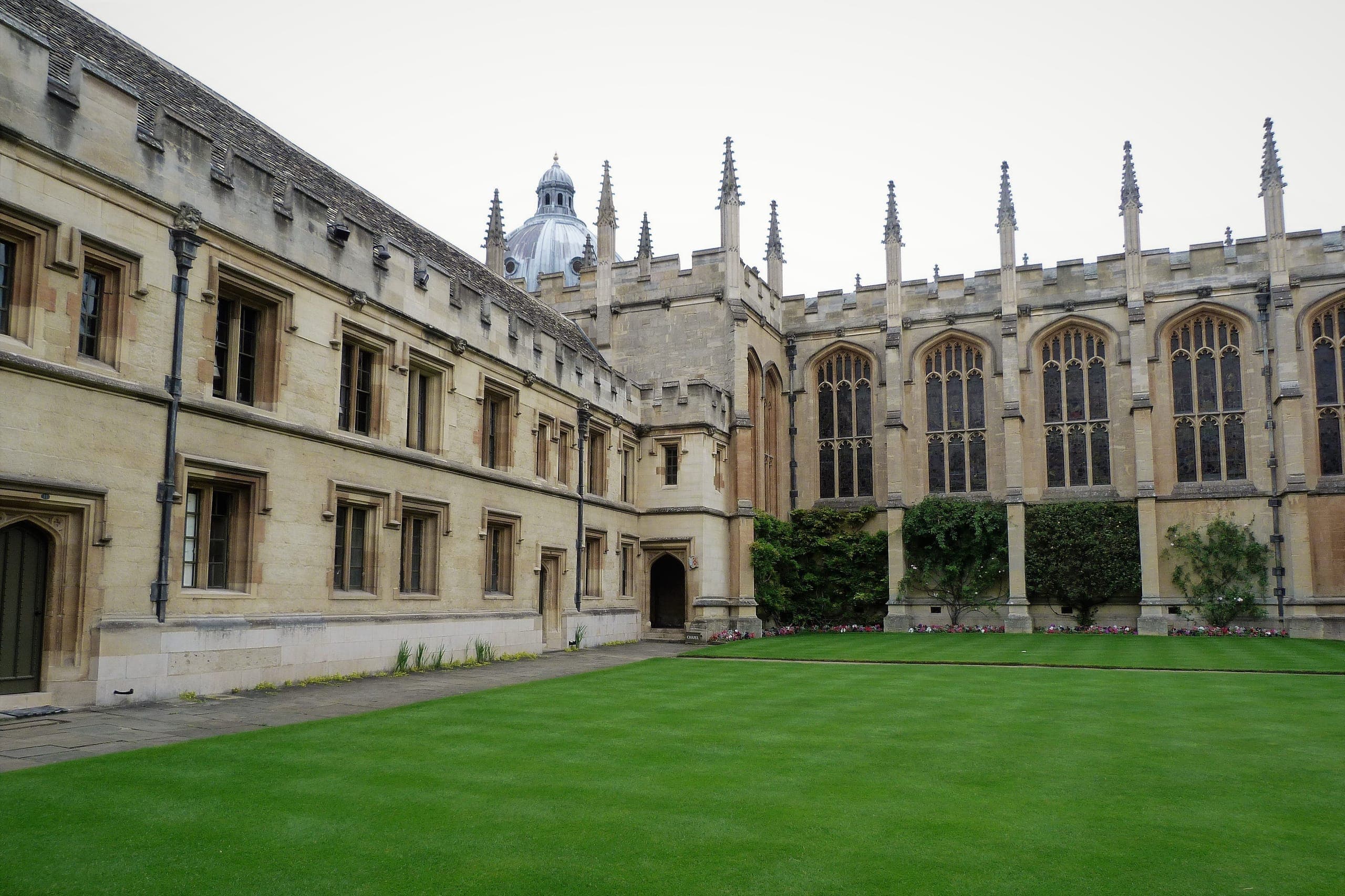
39 colleges offer this subject. ~20% of applicants submit an open application. ~33% of places come through the pool.
また再配分も記録しています:合格者の約33%が指定しなかったカレッジからオファーを受け取っており、Oxford の2024年ダッシュボード概要ではその UCAS サイクルで27.7%となっています。
このデータセットは、Engineering Science に特に強いカレッジを検証していません。実際的な理由、宿舎、立地、規模、環境、でカレッジを選び、再配分を Oxford プロセスの通常の一部として扱ってください。
Section 12
確認された就職先データソースは Discover Uni H100 です。
主なポイントは幅広さです。
Section 13
文脈フィールドは部分的ですが、このセクションは Oxford のコンテキスト情報の使用と Engineering Science の科目要件に基づいたアドバイスとして組み立てるべきであることを確認しています。これは別の割り当て枠や保証ではありません。
文脈は、達成が行われた条件を説明する場合に重要です。学校の科目の利用可能性、学習の中断、介護の責任、健康上の問題、または重大な教育的中断はすべて、入試チューターがファイルをどのように読むかに影響する可能性があります。
Further Mathematics はその一例です。文脈を明確に説明し、その後、数学、物理、ESAT、面接準備を通じて可能な限り最強の事例を作ってください。より広い文脈については、Oxford の公式コンテキストデータガイダンスをご利用ください:https://www.ox.ac.uk/about/the-university/facts-and-figures/admissions-statistics/undergraduate。
Watch & Learn
学生ブログ・模擬面接・講義体験・入試アドバイス。
All videos are the property of their respective creators.
Further Reading
専門講師が推薦するSupercurricular読書リスト・ウェブサイト・ツール。