

Year
01 / 03
1
Prelims
経済学・経営学の基礎
第1年度には入門経済学、一般経営学、財務管理が含まれます。

概要
Oxford の Economics and Management は UCASコード LN12 の3年制 BA で、経済学部とサイード・ビジネス・スクールが共同で提供します。2027年度入学の標準的なオファーは数学を含む A*AA で、全出願者が TARA を受験する必要があります。Oxford の現行コースページでは2023〜25年の3年平均入学者数を82名と報告しています。
なぜOxfordでEconomics and Managementを?
Oxford の Economics and Management は、経済分析と企業・組織・経営決定の研究を結びつけているという点で独自性があります。Oxford はこのコースが経済学部とサイード・ビジネス・スクールによって提供され、経営学学士課程ではないと述べています。

日本語で学ぶための実践ガイド
面接や出願書類では、知識の量だけでなく、考え方を筋道立てて説明する力が見られます。次の流れで、授業や読書の内容を自分の言葉に変えてみましょう。
設問の動詞を確認し、何を説明・比較・証明するのかを一文で書きます。
授業ノートや資料から、主張を支える具体例を二つ選びます。
結論、根拠、理由の順で答え、最後に問いへ戻します。

Section 01
下のマップで自国をクリックすると、出願に必要な情報(受け入れられる資格、要求スコア、英語要件、現地の文脈)が表示されます。
International Applicants
Pick a highlighted country to see the admissions-test, score, and English-language requirements that apply for applicants from that country.
Section 02
| Qualification | Typical Offer | Key Requirements |
|---|---|---|
| A-Level | A*AA | Mathematics required. Further Mathematics recommended.Applicants are required to have Mathematics to A-level at A* or A grade, or an equivalent qualification. |
| IB Diploma | 39 (including core points) with 766 at HL | HL: Higher Level Mathematics with score 6 or 7 required.The Oxford course page specifies 39 including core points with 766 at HL; the subjects-required section states that Mathematics is required at Higher Level in the IB with score 6 or 7. |
| Advanced Placement (AP) | Either four APs at grade 5, including any subjects required for the course, or three APs at grade 5 plus ACT 32 or above / SAT 1470 or above. | AP Calculus BC if available; AP Calculus AB is accepted if Calculus BC is not available required. SAT/ACT: Required only with the three-AP route: ACT 32 or above, or SAT 1470 or above..AP Pre-Calculus cannot be used to fulfil the Mathematics requirement. Calculus AB and Calculus BC cannot be counted as two separate subjects. |
Section 03
MAY - AUG 2026
UCAS 出願を作成する
Start course and college research, draft the UCAS personal statement and organise the academic reference. Oxford says applicants can start working on the application from May and submit from early September.
1 JUN - 28 SEP 2026
TARA に登録して予約する
Account creation/access-arrangement/bursary requests open 1 June; booking opens 20 July and closes 28 September at 6pm UK/BST.
12 - 16 OCT 2026
TARA を受験する
All applicants must take TARA during the October test window; E&M applicants take Critical Thinking, Problem Solving and Writing Task modules.
15 OCT 2026
UCAS を提出する
Submit UCAS by 6pm UK time.
MID NOV - EARLY DEC 2026
書類選考結果を受け取る
Oxford timeline says shortlisting occurs from the end of November; interviews take place early to mid-December.
10 - 17 DEC 2026
オンライン面接に参加する
E&M first-college interviews are 10–12 December; second-college interviews, if applicable, are 16–17 December.
12 JAN 2027
Oxford の合否通知を受け取る
Oxford says shortlisted candidates for 2027 entry receive the outcome via UCAS on 12 January 2027.
5 MAY - 2 JUN 2027
オファーに返答する
UCAS reply deadlines depend on when all universities respond; use UCAS Hub as source of truth.
AUG 2027
合格確認と条件充足
Conditional offer holders have places confirmed once results are received and conditions are met. Check the exact 2027 results day when it is published.
MAY - AUG 2026
UCAS 出願を作成する
Start course and college research, draft the UCAS personal statement and organise the academic reference. Oxford says applicants can start working on the application from May and submit from early September.
1 JUN - 28 SEP 2026
TARA に登録して予約する
Account creation/access-arrangement/bursary requests open 1 June; booking opens 20 July and closes 28 September at 6pm UK/BST.
12 - 16 OCT 2026
TARA を受験する
All applicants must take TARA during the October test window; E&M applicants take Critical Thinking, Problem Solving and Writing Task modules.
15 OCT 2026
UCAS を提出する
Submit UCAS by 6pm UK time.
MID NOV - EARLY DEC 2026
書類選考結果を受け取る
Oxford timeline says shortlisting occurs from the end of November; interviews take place early to mid-December.
10 - 17 DEC 2026
オンライン面接に参加する
E&M first-college interviews are 10–12 December; second-college interviews, if applicable, are 16–17 December.
12 JAN 2027
Oxford の合否通知を受け取る
Oxford says shortlisted candidates for 2027 entry receive the outcome via UCAS on 12 January 2027.
5 MAY - 2 JUN 2027
オファーに返答する
UCAS reply deadlines depend on when all universities respond; use UCAS Hub as source of truth.
AUG 2027
合格確認と条件充足
Conditional offer holders have places confirmed once results are received and conditions are met. Check the exact 2027 results day when it is published.
Section 04

2027年度入学の場合、Oxford の Economics and Management では TARA(入試用学術的推論テスト)が必須です。確認された必須モジュールは Critical Thinking、Problem Solving、Writing Task です。
UAT-UK は Pearson を通じて全世界のテストセンターで TARA をオンライン提供しています。Oxford は E&M 出願者が Writing Task を受験すると述べていますが、このコースの選考には Writing Task を使用しないとしています。
アカウント作成・アクセス配慮申請・奨学金申請は英国・BST の2026年6月1日午後3時に開始;テスト予約は英国・BST の2026年7月20日午後3時に開始;10月分テスト予約は英国・BST の2026年9月28日午後6時に締め切り。2026年10月の TARA テスト期間は2026年10月12〜16日で、UAT-UK は結果発送を2026年11月16日(月)と発表しています。
Oxford は Economics and Management 選考における TARA の数値的な重みを公表していません。成績、UCAS 出願、文脈情報、面接パフォーマンス(書類選考通過者のみ)と並ぶ、全体的な学術的証拠の一部として扱ってください。
TARA完全対策ガイド | 試験形式・採点・戦略・練習リソース。
TARAガイド →Section 05
Interview Invitation
Late Nov
Arrival to Interview
Early Dec
Technical Question
Mid Dec
Decision
Early Jan
Interview Invitation
Late Nov
Arrival to Interview
Early Dec
Technical Question
Mid Dec
Decision
Early Jan
Question Types You’ll See
Oxford の公式ガイダンスとスケジュールは、2027年度入学の Economics and Management 面接を12月のオンラインで設定しています。確認されたスケジュールでは、第1カレッジの E&M 面接は2026年12月10〜12日、該当する場合は第2カレッジ面接は2026年12月16〜17日と記載されています。
テストされる資質には、企業と経済の組織を学ぶ意欲、論証の構築と評価の能力、明確な表現力、独立性と思考の柔軟性、論理的問題解決、経済学や経営学の事前知識ではなく学術的潜在能力が含まれます。典型的なプロンプトの種類には、経済的・ビジネス的・組織的シナリオの解釈、未知の問題を声に出しながら解決、仮定の評価、グラフ・表・簡単な定量的プロンプトの議論が含まれます。
準備は声に出して考える練習に見えるべきです。短い未見のプロンプトを使い、仮定を述べ、何の証拠が自分の見解を変えるかを説明し、議論が展開するにつれて回答を修正する準備をしてください。
Economics and Managementを含む全学科の模擬面接練習問題バンクで本番さながらの問題を練習しましょう。
無料練習問題 →
Section 06
Oxford は Economics and Management の決定に数値的な重みを公表していません。確認された基準リストには、面接パフォーマンス、学業成績と予測成績、TARA、UCAS Personal Statement、科目への意欲、学術的推薦状、文脈情報が含まれています。
TARA は必須ですが、Oxford は入試テストを公表された重み付けコンポーネントではなく、プロセスの一部として説明しています。これの正しい読み方は、1つの弱い分野が重要になり得るが、単一の公式が結果を決定するわけではないということです。
2027年度入学の書類選考通過者は2027年1月12日に UCAS 経由で Oxford の決定を受け取ります。出願を一貫した学術的証明として扱うことが重要です:成績は準備を示し、テストは推論を示し、Personal Statement は方向性を示し、面接はプレッシャー下でどのように考えるかを示します。
Our recommendation · weighting of admission factors
Oxbridge Mentors recommendation, drawn from observed offer patterns. University of Oxford does not publish official weightings - exact balance varies by college, course and year.
Section 07

Personal Statement はミニチュアのビジネスプランのように聞こえないようにしてください。インセンティブ、証拠、機関、組織について規律ある問いを立てられることを示すべきです。
強力な E&M のパラグラフは通常、「その科目をずっと愛してきた」という主張からではなく、実際の問いから始まります。例えば、企業がなぜ価格を変更したかを検討する場合、ミクロ経済学的な説明は需要、コスト、市場力に焦点を当て、経営学的な説明は組織インセンティブ、情報フロー、リーダーシップの選択に焦点を当てるかもしれません。
書籍とポッドキャストの長いカタログは避けてください。量より内省が重要です。何があなたの見解を変えたか、どの仮定が失敗したか、次に何を調査するかが大切です。
Section 08
このコースに適したプロジェクトは、狭い問いから始めます。目的は、すでに大学レベルの経済学や経営学を知っていることを証明することではなく、問題をどのように定義し、証拠を選択し、自分の見解を修正するかを示すことです。
プロジェクトの事例は、編集上のアドバイスとして個別に承認された後にのみ追加されるべきです。
その他の Supercurricular な活動も、思考を鋭くする場合には依然として有益です。証拠を比較し、明確に書き、因果関係の主張を説明する活動を優先してください。
これらの活動はサポートであり、慎重な学術的準備の代替ではありません。
コンペティションは強い出願に必要ではありません。コンペティションが得意とするのは推論を広げ、議論できる具体的な問題を与えることです。
どれも必須ではありません。1〜2つをしっかり行う方が、5つを中途半端にやるよりも価値があります。

Section 09
Year
01 / 03
1
経済学・経営学の基礎
第1年度には入門経済学、一般経営学、財務管理が含まれます。

Year
02 / 03
2
Economics and Management のオプション開始
Oxford は第2年度と第3年度をまとめて記載しています。この表示行は Final Honour School のオプション構造の開始を示しています。
Year
03 / 03
3
専門化、論文オプション、最終試験
学生は8科目、または7科目+論文を修了し、第3年度末に Final University 試験を受けます。
Section 10
E&M の知識を構築する実践的な方法は、1つの経済的メカニズムと1つの組織的問いを結びつけることです。例えば、インフレ、労働市場、価格設定、生産性について読む際に、経済モデルが何を説明し、何を省くか、どのような証拠がそれを検証するか、マネージャーや機関がどのように対応するかを問いかけてください。
ノートは自分の論理を可視化するものであるべきです。有益な記録には、主張、証拠、その背後にある仮定、反論、面接スタイルの議論で問いたい1つの質問を記録するとよいでしょう。
The Economy 2.0 は CORE Econ の無料の研究主導型入門経済学テキストで、世界中の大学で使用されています。市場、不平等、雇用、金融を実証的な裏付けとともに解説しており、E&M のデータ重視のアプローチに適しています。Richard Thaler 著『Misbehaving: The Making of Behavioural Economics』は標準的なモデルがどのように失敗し、何がそれに取って代わるかを示しています。
体系的な学習については、 MIT 14.01 Principles of Microeconomics ( MIT OpenCourseWare )が大学レベルの講義ノートと問題集を提供しています。 EconTalk と Marginal Revolution University は経済概念を実例に結びつける習慣を養います、E&M の定量的かつ分析的な面接スタイルに不可欠です。
経営コンポーネントについては、 Competitive Strategy (Coursera、LMU ミュンヘン)がゲーム理論、市場参入、戦略的相互作用への学術的に根拠のある入門を提供しており、Oxford E&M の定量経済学と意思決定を組み合わせたフレーミングに対応しています。

Section 11
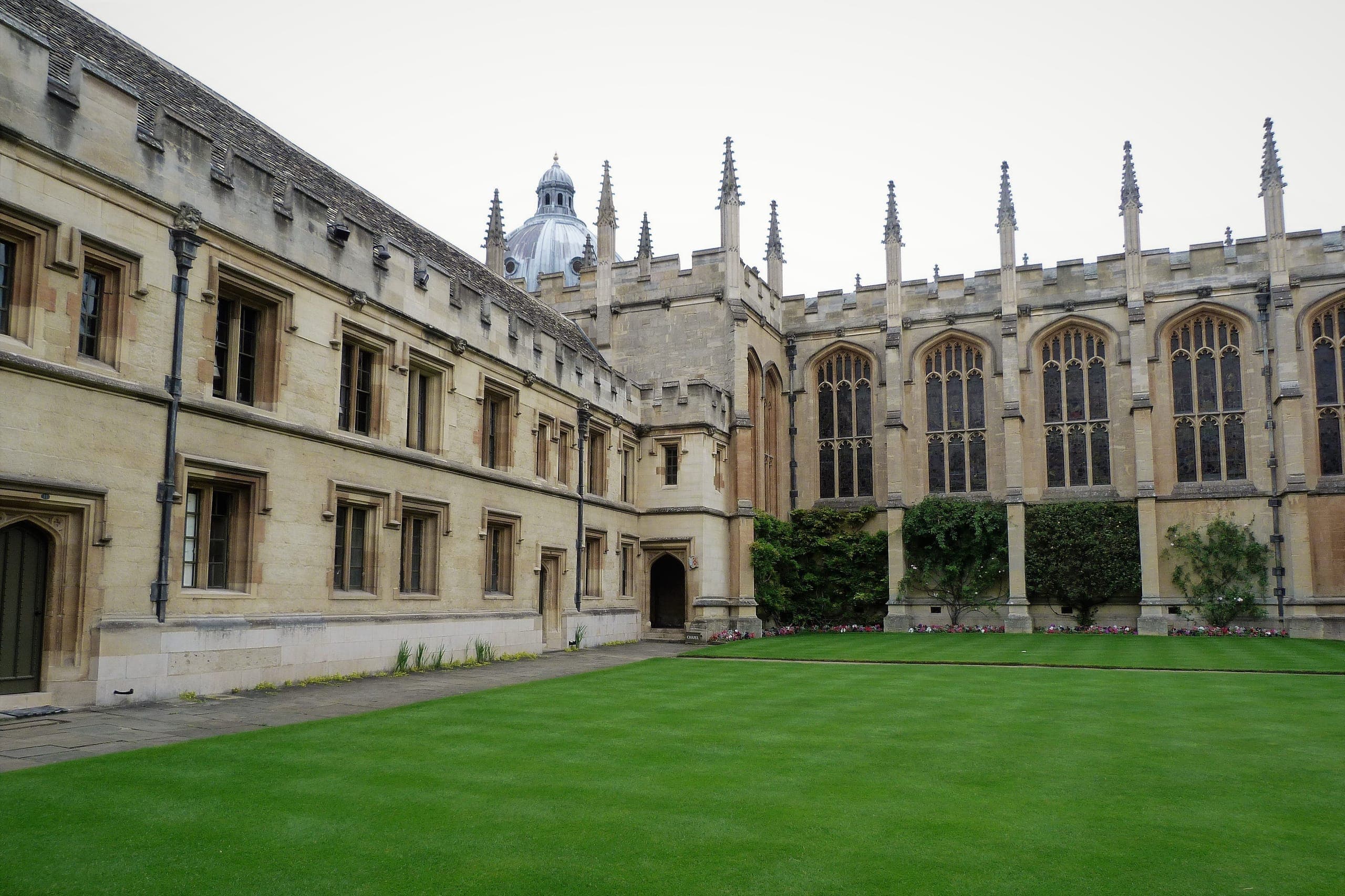
Oxford は出願者がカレッジを選択するか、オープン出願を提出できると確認しており、全コースが全カレッジで提供されているわけではありません。
カレッジ選択を入試戦術として扱わないでください。確認されたアドバイスは Oxford の公式カレッジ・コースガイダンスを使用することであり、カレッジ選択を選考を操作する方法として位置付けるべきではありません。
自分が正当化できる実際的な理由でカレッジを選んでください:コースの利用可能性、宿舎、立地、雰囲気、そしてそこにいることが快適かどうかです。強い希望がない場合はオープン出願も合理的な選択肢です。
Section 12
Oxford は Economics and Management の最近の就職先として銀行・金融、コンサルティング、調査、ジャーナリズム、産業、官公庁、教育、スタートアップを挙げています。Discover Uni はコース成果の公式英国高等教育データソースです。詳細な分野別割合については、ライブコースデータビューをご利用ください。
このコースは定量的推論、組織分析、書面による論証を組み合わせているため、複数の方向性に向かうことができます。就職先の証拠は、学位が特定の分野につながる保証ではなく、最近の就職先の例として読んでください。
Section 13
Oxford は成績が可能な限り文脈の中で考慮されると述べています。GCSE/IGCSE は必須ではありませんが、取得している場合は出願の残りの部分と合わせて考慮されることがあります。
文脈には学校の科目の利用可能性、学習の中断、病気、介護の責任、または準備に影響したその他の状況が含まれます。Personal Statement を説明書として書こうとするのではなく、関連情報が適切な学校または入試チャンネルを通じて Oxford に届くよう確認することが重要です。
Watch & Learn
学生ブログ・模擬面接・講義体験・入試アドバイス。
All videos are the property of their respective creators.
Further Reading
専門講師が推薦するSupercurricular読書リスト・ウェブサイト・ツール。