

Year
01 / 03
1
Year 1
3年制BFAの1年次。詳細なモジュールタイトルは確認されていません。

概要
OxfordのFine ArtはUCASコードW100の3年制BFAで、評価はポートフォリオ、展覧会、面接の証拠を中心に行われます。2027年入学には、AAA(またはポスト18のArt Foundation courseを修了した場合はAAB)が必要で、2026年11月5日までにデジタルポートフォリオを提出し、筆記試験はありません。
なぜOxfordでFine Artを?
OxfordはGuardian Fine Art 2026で3位、CUG Art & Design 2026で2位にランクされています。
日本語で学ぶための実践ガイド
面接や出願書類では、知識の量だけでなく、考え方を筋道立てて説明する力が見られます。次の流れで、授業や読書の内容を自分の言葉に変えてみましょう。
設問の動詞を確認し、何を説明・比較・証明するのかを一文で書きます。
授業ノートや資料から、主張を支える具体例を二つ選びます。
結論、根拠、理由の順で答え、最後に問いへ戻します。

Section 01
下のマップで自国をクリックすると、出願に必要な情報(受け入れられる資格、要求スコア、英語要件、現地の文脈)が表示されます。
International Applicants
Pick a highlighted country to see the admissions-test, score, and English-language requirements that apply for applicants from that country.
Section 02
| Qualification | Typical Offer | Key Requirements |
|---|---|---|
| A-Level | AAA (or AAB for candidates who have undertaken or completed a post-18 Art Foundation course) | |
| IB Diploma | 38 (including core points) with 666 at HL | |
| Advanced Placement (AP) | Either four APs at grade 5 (including any subjects required for the course) or three APs at grade 5 (including any subjects required for the course) plus ACT 31+ or SAT 1460+. |
Section 03
October 2026
UCAS締め切り
15 October 2026 (6pm UK time)
November 2026
ポートフォリオ締め切り
Thursday 5 November 2026
December 2026
面接期間
Week beginning Monday 8 December 2026; check live Oxford interview timetable before publication for exact departmental/second-college timing.
January 2027
合否通知
12 January 2027 via UCAS; colleges follow up directly later that day
May 2027
UCAS返答期限
5 May 2027 if all university/college decisions are received by 31 March 2027; otherwise follow the applicant's UCAS personal deadline
August 2027
成績発表日
August 2027; exact JCQ/A-level date not verified in sources checked
October 2026
UCAS締め切り
15 October 2026 (6pm UK time)
November 2026
ポートフォリオ締め切り
Thursday 5 November 2026
December 2026
面接期間
Week beginning Monday 8 December 2026; check live Oxford interview timetable before publication for exact departmental/second-college timing.
January 2027
合否通知
12 January 2027 via UCAS; colleges follow up directly later that day
May 2027
UCAS返答期限
5 May 2027 if all university/college decisions are received by 31 March 2027; otherwise follow the applicant's UCAS personal deadline
August 2027
成績発表日
August 2027; exact JCQ/A-level date not verified in sources checked
Section 04

Fine Art(University of Oxford)の2027年度入試では、出願者に書面の入試テストは課されません。出願は推薦書・成績・パーソナルステートメント・提出物・面接で評価されます。
Always verify on the official Oxford admissions tests page.
Section 05
Interview Invitation
Late Nov
Arrival to Interview
Early Dec
Technical Question
Mid Dec
Decision
Early Jan
Interview Invitation
Late Nov
Arrival to Interview
Early Dec
Technical Question
Mid Dec
Decision
Early Jan
Question Types You’ll See
面接はオンラインで行われ、ポートフォリオと最近の作品に基づく学術的な議論の形式をとります。
面接では最近の作品、創造的な選択、芸術的プロセス、シラバス外への取り組み、目的意識、現代アート、批判的な振り返りについて議論する能力が試されます。
書類選考を通過した候補者は面接前に追加の最近の作品を提出し、正確な締め切りは招待状に含まれています。
少数の作品をゆっくり議論できるように準備してください。実際には、最も強い準備は定型の答えを暗記することではなく、ある作品がなぜ変化し、失敗し、または予期しない方向に進んだかを説明できることです。
Fine Artを含む全学科の模擬面接練習問題バンクで本番さながらの問題を練習しましょう。
無料練習問題 →
Section 06
Fine Artの合否はポートフォリオ主導で、面接では作品の背後にあるアイデア、動機、批判的な意識を掘り下げます。
記載されている基準は、ポートフォリオと最近の作品の提出、面接での議論、学業成績と推薦状、幅広い芸術的関与のあるPersonal Statementです。
実際には、ポートフォリオは単に技術的な完成度を示すだけではいけません。方向性、決断、修正、そして暗記した回答を読み上げるのではなく自分の作品について話せる能力を示す必要があります。
Our recommendation · weighting of admission factors
Oxbridge Mentors recommendation, drawn from observed offer patterns. University of Oxford does not publish official weightings - exact balance varies by college, course and year.
Section 07

Personal Statementは、展覧会、アーティスト、ワークショップのリストではなく、自分の実践がどのように発展してきたかについての短い説明として扱ってください。
1〜2つの作品について、読み手が意思決定のプロセスを理解できるほど詳しく書くことが効果的です。試みたこと、変化したこと、失敗したこと、次に何をするかを説明してください。
固定した芸術的アイデンティティをあまり早く主張することは避けてください。Fine Artの出願は、磨き込まれたブランドよりも好奇心、実験、振り返りを示すものの方が通常、強いです。
Section 08
プロジェクトは課外活動の装飾としてではなく、ポートフォリオの素材を生み出すために活用してください。Fine Artでは、有用なプロジェクトはスタジオプロセスの証拠を残すべきです。素材の試験、失敗した版、研究メモ、画像参照、インスタレーションの決断、スケールの変更など、単に最終的な完成品だけではありません。
プロジェクトの提示方法:
このガイドだけから具体的なプロジェクト例を設定しないでください。
有用な活動は通常、制作する作品や議論の仕方を変えるときに意味をもちます。展覧会、画像、素材、アーティスト、自分の実践に本当に影響を与える問いのシンプルなノートをつけてください。
これらはサポートであり、代替ではありません。
CMSのコンペティションはこれだけから記載しないでください。どれも必須ではありません。1〜2つをよく仕上げることが、5つを中途半端にこなすよりも優れています。

Section 09
Year
01 / 03
1
3年制BFAの1年次。詳細なモジュールタイトルは確認されていません。
Year
02 / 03
2
2年次は、歴史・理論の学習に支えられた継続的なスタジオ実践という確認されたパターンを引き継ぎます。
Year
03 / 03
3
最終評価には拡張エッセイ、作品ポートフォリオ、展覧会が含まれます。
Section 10
Fine Artにはポートフォリオが必要です。
提出はUCAS後にSlideRoom経由でデジタル形式で行われ、RuskinはSlideRoomからの提出のみ考慮すると明記しています。
出願者は最大20ファイルで動画、写真、音声ファイル、PDFをアップロードできます。
2027年入学のポートフォリオ締め切りは2026年11月5日(木)です。
規定された内容はありませんが、候補者は芸術的・知的関心、現代アートへの好奇心、幅広い取り組み、目的意識、芸術的な声の萌芽を示す多様な作品を含めるべきです。
書類選考を通過した候補者は面接前に追加の最近の作品を提出します。
完成度だけでなく、プロセスを示す作品を選んでください。一貫した探求の線は、あらゆるメディアを均等に示そうとするポートフォリオよりも通常、説得力があります。

Section 11
学位の名称、コード、要件、入試情報の基礎となるFine Artコースページから始めてください。
学部レベルの出願ガイダンスには「BFAへの出願」を参照してください。
ポートフォリオの形式と提出ガイダンスには「ポートフォリオの提出」を参照してください。
海外からの出願者は Oxford国際資格 とOxford英語要件とビザ要件も参照してください。
注意:書籍、ポッドキャスト、動画、展覧会、コンペティションなどの充実リソースは、別途リンクと資格審査を行った後にのみ追加してください。

Section 12
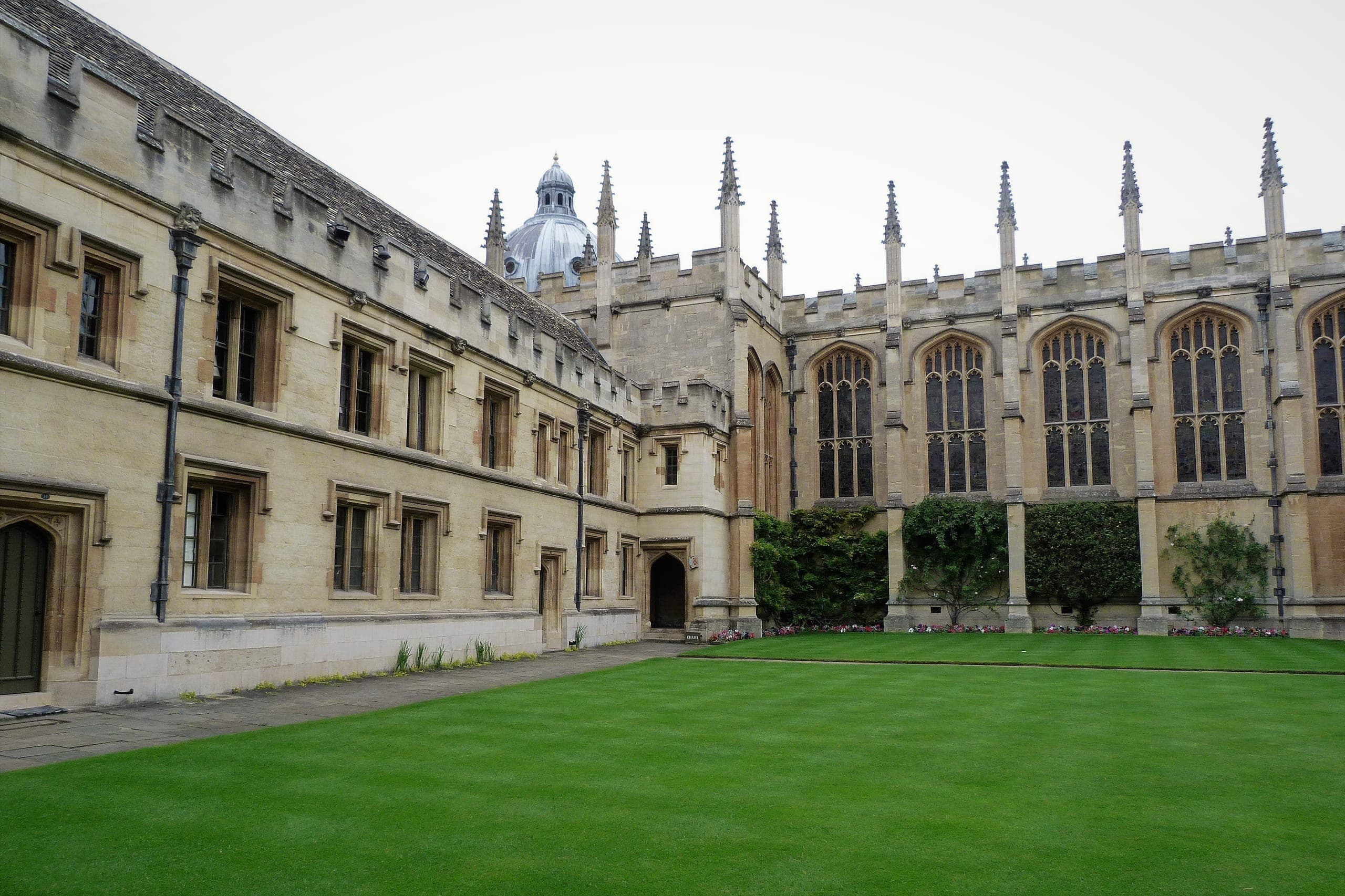
30 colleges offer this subject.
オープン出願は出願者数が少ないカレッジに割り当てられます。
書類選考を通過した指名カレッジの出願者も再配分または別のカレッジでの面接を受けることがあり、Fine Art候補者は異なるカレッジからオファーを受ける場合があります。
合格者の約3分の1は指定しなかったカレッジからオファーを受けます。
カレッジ選択は主にコミュニティ、宿泊、チューター、実際的な好みに影響します。入試が容易になる戦術として扱うべきではありません。
Section 13
OxfordはFine Artの卒業後の進路として、アーティスト、教育、キュレーター、美術館・ギャラリー、コミュニティアーツ、文化・遺産、建築、音楽、演劇、コミュニケーション、映画、デジタルメディア、学術、アートライティングなどを説明しています。
Discover Uniは卒業後15か月での就労または学業継続率が90%と報告していますが、詳細な職業カテゴリーはコース固有のFine Artデータではなく、より広い科目データです。
キャリアデータは予測ではなく方向性として読んでください。Oxfordが公開している進路例にアーティスト、キュレーター、美術館・ギャラリー、コミュニティアーツ、アートライティングのルートが含まれているため、Fine Artの就職先は単一の卒業後の職種ではなく、実践主導のパスウェイとして理解されるべきです。
Section 14
Oxfordは可能な限り文脈の中で成績を考慮します。
Art Foundation推奨とAABルートは、全出願者の公式要件とは区別されるべきです。
困難、科目の提供状況、学校の制約を率直に説明してください。目的は準備不足を言い訳することではなく、チューターが学業・芸術的な記録を文脈の中で読むのを助けることです。
Watch & Learn
学生ブログ・模擬面接・講義体験・入試アドバイス。
All videos are the property of their respective creators.
Further Reading
専門講師が推薦するSupercurricular読書リスト・ウェブサイト・ツール。