

Year
01 / 03
1
Preliminary Examination
人文地理・自然地理の基礎
1年次では、すべての学生が自然システム、人文地理学、地理学的論争、地理学的技法について共通の基礎を築きます。また、Dorset、Oxford、Wytham Woodsでのフィールドワーク演習を通じてフィールドに基づく学習も導入され、学生は概念的な学習と観察・データ・場所に基づく分析を結びつけることを始めます。

概要
OxfordのGeographyはUCASコードL700の単科3年制BAです。2027年入学のオファーはA-levelでA*AA、またはIBで766 at HL込みの39点です。Geographyは推奨されていますが必修ではありません。筆記試験も作文提出も不要です。
なぜOxfordでGeographyを?
コースは幅広い構造を持っています。1年次は地球システムプロセス、人文地理学、地理学的論争、地理学的技法を扱います。2年次と3年次は地理学的思想、人文・自然・環境地理学にわたる基礎的な選択、選択科目、フィールドワーク、論文へと進みます。
日本語で学ぶための実践ガイド
面接や出願書類では、知識の量だけでなく、考え方を筋道立てて説明する力が見られます。次の流れで、授業や読書の内容を自分の言葉に変えてみましょう。
設問の動詞を確認し、何を説明・比較・証明するのかを一文で書きます。
授業ノートや資料から、主張を支える具体例を二つ選びます。
結論、根拠、理由の順で答え、最後に問いへ戻します。
Section 01
下のマップで自国をクリックすると、出願に必要な情報(受け入れられる資格、要求スコア、英語要件、現地の文脈)が表示されます。
International Applicants
Pick a highlighted country to see the admissions-test, score, and English-language requirements that apply for applicants from that country.
Section 02
| Qualification | Typical Offer | Key Requirements |
|---|---|---|
| A-Level | A*AA | Geography recommended. |
| IB Diploma | 39 (including core points) with 766 at HL | |
| Advanced Placement (AP) | Either four APs at grade 5 (including any subjects required for the course) or three APs at grade 5 (including any subjects required for the course) plus ACT 32+ or SAT 1470+. |
Section 03
YEAR 12
Geography学習の準備を構築する
Develop broad subject knowledge across physical, human and environmental geography, and practice connecting case-study evidence to larger concepts. Use reading, lectures, maps, data and current affairs to build material you can discuss analytically.
12 MAY
UCAS出願が開始される
UCAS applications for 2027 entry open in May 2026. Applicants can begin drafting their course choices, personal statement responses, education history and reference arrangements.
01 SEP
完成したUCAS出願の提出が可能になる
From 1 September 2026, completed 2027-entry UCAS applications can be submitted. This is the point to move from drafting to final checks.
15 OCT
UCASの提出
Oxford Geography applicants must submit their UCAS application by 6pm UK time on 15 October 2026. Geography does not require a separate written admissions test or written work submission.
NOV
書類選考と面接の案内を確認する
Shortlisted candidates may receive limited notice before interview and should check emails carefully. Geography interviews are online, so applicants should prepare a reliable device, internet connection, quiet space and Microsoft Teams access.
EARLY - MID DEC
オンライン面接への参加
Oxford expects undergraduate interviews for 2027 entry to take place online in December 2026, generally in early-to-mid December. Check the Geography-specific timetable on the official course page.
12 JAN
Oxfordの合否通知を受け取る
Shortlisted applicants for 2027 entry are due to receive the outcome of their Oxford application through UCAS on 12 January 2027, with colleges following up directly later that day.
MAY
UCASオファーへの返答
Applicants who have received all decisions by the spring UCAS deadline normally need to choose firm and insurance offers by the UCAS reply deadline. For most Oxford offer holders, this is the point to decide whether to make Oxford the firm choice.
AUG
オファー条件を満たし入学を確定する
Conditional offer holders have their place confirmed through UCAS if they meet all offer conditions. Oxford states that applicants who miss conditions are reviewed by their college, while Oxford does not participate in UCAS Clearing or Extra.
YEAR 12
Geography学習の準備を構築する
Develop broad subject knowledge across physical, human and environmental geography, and practice connecting case-study evidence to larger concepts. Use reading, lectures, maps, data and current affairs to build material you can discuss analytically.
12 MAY
UCAS出願が開始される
UCAS applications for 2027 entry open in May 2026. Applicants can begin drafting their course choices, personal statement responses, education history and reference arrangements.
01 SEP
完成したUCAS出願の提出が可能になる
From 1 September 2026, completed 2027-entry UCAS applications can be submitted. This is the point to move from drafting to final checks.
15 OCT
UCASの提出
Oxford Geography applicants must submit their UCAS application by 6pm UK time on 15 October 2026. Geography does not require a separate written admissions test or written work submission.
NOV
書類選考と面接の案内を確認する
Shortlisted candidates may receive limited notice before interview and should check emails carefully. Geography interviews are online, so applicants should prepare a reliable device, internet connection, quiet space and Microsoft Teams access.
EARLY - MID DEC
オンライン面接への参加
Oxford expects undergraduate interviews for 2027 entry to take place online in December 2026, generally in early-to-mid December. Check the Geography-specific timetable on the official course page.
12 JAN
Oxfordの合否通知を受け取る
Shortlisted applicants for 2027 entry are due to receive the outcome of their Oxford application through UCAS on 12 January 2027, with colleges following up directly later that day.
MAY
UCASオファーへの返答
Applicants who have received all decisions by the spring UCAS deadline normally need to choose firm and insurance offers by the UCAS reply deadline. For most Oxford offer holders, this is the point to decide whether to make Oxford the firm choice.
AUG
オファー条件を満たし入学を確定する
Conditional offer holders have their place confirmed through UCAS if they meet all offer conditions. Oxford states that applicants who miss conditions are reviewed by their college, while Oxford does not participate in UCAS Clearing or Extra.
Section 04

Geography(University of Oxford)の2027年度入試では、出願者に書面の入試テストは課されません。出願は推薦書・成績・パーソナルステートメント・提出物・面接で評価されます。
Always verify on the official Oxford admissions tests page.
Section 05
Interview Invitation
Late Nov
Arrival to Interview
Early Dec
Technical Question
Mid Dec
Decision
Early Jan
Interview Invitation
Late Nov
Arrival to Interview
Early Dec
Technical Question
Mid Dec
Decision
Early Jan
Question Types You’ll See
面接は暗記したケーススタディの暗唱ではなく、学術的な議論です。地図、グラフ、画像、短いデータ刺激物の解釈、未知の場所への概念の適用、またはさまざまなスケールを横断した現在の環境・社会・地政学的問題の議論が含まれることがあります。
地図、グラフ、衛星画像、短いデータ抽出物を使って練習してください。観察から始め、証拠と解釈を分離し、まだ結論づけられないことを述べ、回答を検証するためにどのような追加データが必要かを説明してください。面接官が新しい情報を加えたときに喜んで見方を修正してください。
Geographyを含む全学科の模擬面接練習問題バンクで本番さながらの問題を練習しましょう。
無料練習問題 →
Section 06
Oxford Geographyの合否決定は、公式化されたものではなく総合的なものとして扱ってください。
Geographyに筆記試験や作文提出はありません。実際には、それは面接、学業成績、UCASの証拠が別途テストのあるコースよりも大きな役割を果たすことを意味します。
出願のすべての部分を同じことの証拠として扱うことをお勧めします。精密さ、柔軟性、証拠をもって地理学的に考えられるかどうかです。
Our recommendation · weighting of admission factors
Oxbridge Mentors recommendation, drawn from observed offer patterns. University of Oxford does not publish official weightings - exact balance varies by college, course and year.
Section 07

優れたGeographyのPersonal Statementは旅行日記のように読まれるべきではありません。調査した2〜3つの問題、気候リスク、移住、都市格差、水、地政学、環境保全、開発、リモートセンシングなど、を中心に構成することをお勧めします。これらは証拠をもって分析できるものである必要があります。
Personal Statementは面接での議論の材料になり得るため、最良のPersonal Statementはチューターが難しいフォローアップ質問をしやすい内容になっています。
具体的な読書、データ、地図、フィールド観察を活用してください。複数の資料を比較した後に見方がどう変わったかを示すことが、書籍を挙げるだけで何をしたか説明しないよりも価値があります。
専門家の解説付き完全例文を見る。
Geography PS例文 →Section 08
プロジェクトは単なる関心だけでなく、方法を示すために有用です。狭い問いを選び、具体的なものを作ることをお勧めします。地図、短いレポート、注釈付きデータセット、フィールドワークの書き込み、またはミニ論文などです。
プロジェクトの提示方法:
その他のSupercurricular活動は証拠基盤を広げ、問いを鋭くするものであるべきです。長い活動リストではなく、読書の連鎖を構築するために活用してください。
これらはサポートであり、代替ではありません。振り返りを伴う1つの丁寧なプロジェクトは、議論できない5つの活動に勝ります。
コンペティションは Oxford Geography には必須ではありません。真に自分の関心に合った問いを選べば、読書、論証、データ処理を広げることができます。
どれも必須ではありません。1〜2つをよく仕上げることが、5つを中途半端にこなすよりも優れています。

Section 09
Year
01 / 03
1
人文地理・自然地理の基礎
1年次では、すべての学生が自然システム、人文地理学、地理学的論争、地理学的技法について共通の基礎を築きます。また、Dorset、Oxford、Wytham Woodsでのフィールドワーク演習を通じてフィールドに基づく学習も導入され、学生は概念的な学習と観察・データ・場所に基づく分析を結びつけることを始めます。

Year
02 / 03
2
コア理論、方法論、新興の専門化
2年次から最終優等試験段階が始まります。学生は地理学的思想のコアペーパーを履修し、自然地理・人文地理・環境地理の各分野から2つの基礎コースを選択し、選択科目とフィールドワークを通じてより専門的なプロファイルを構築し始めます。
Year
03 / 03
3
高度な選択科目と自主研究
最終学年では、高度な選択科目と論文を通じて専門的な研究を深めます。学生は研究課題に応じて、フィールドに基づいた、地理計算学的、実験室に基づいた、リモートセンシングを用いた、またはアーカイブに基づいた自主研究を修了します。
Section 10
学問の基礎として、まず Geography: A Very Short Introduction 、Human Geography: A Very Short Introduction 、 Prisoners of Geography 、 The Invention of Nature 、 Adventures in the Anthropocene 、 Why Geography Matters から始めてください。これらの書籍は地理的方法、人文地理学、地政学、環境変化、地理学的思想の歴史の間を行き来する助けになります。
動画中心の充実には Oxford Geography 、 Royal Geographical Society 、 NASA Earth Observatory、 Our Changing Climate 、 The Economist を使ってください。これらのチャンネルのより強い活用法は受動的に視聴するのではなく、証拠、スケール、不確実性、代替説明についてメモをとることです。
音声については Ask the Geographer 、 Geographical Podcast 、 GeogPod 、 The Inquiry 、Geography Is Everythingを試してください。ポッドキャストは1つのエピソードをフォローアップの読書の問いや分析できるケーススタディに変えるときに最もよく機能します。
実践的なスキルには Geographic Information Systems (GIS) Specialization 、 Getting Started with QGIS 、 Getting started with the climate crisis 、 Fundamentals of Remote Sensing 、 Nature-based Solutions to Global Challenges Foundation Course を使ってください。これらのコースから1つの小規模な地図またはデータ主導のプロジェクトを構築することをお勧めします。なぜなら Oxford Geography には技法、フィールドワーク、論文作業が含まれているからです。

Section 11
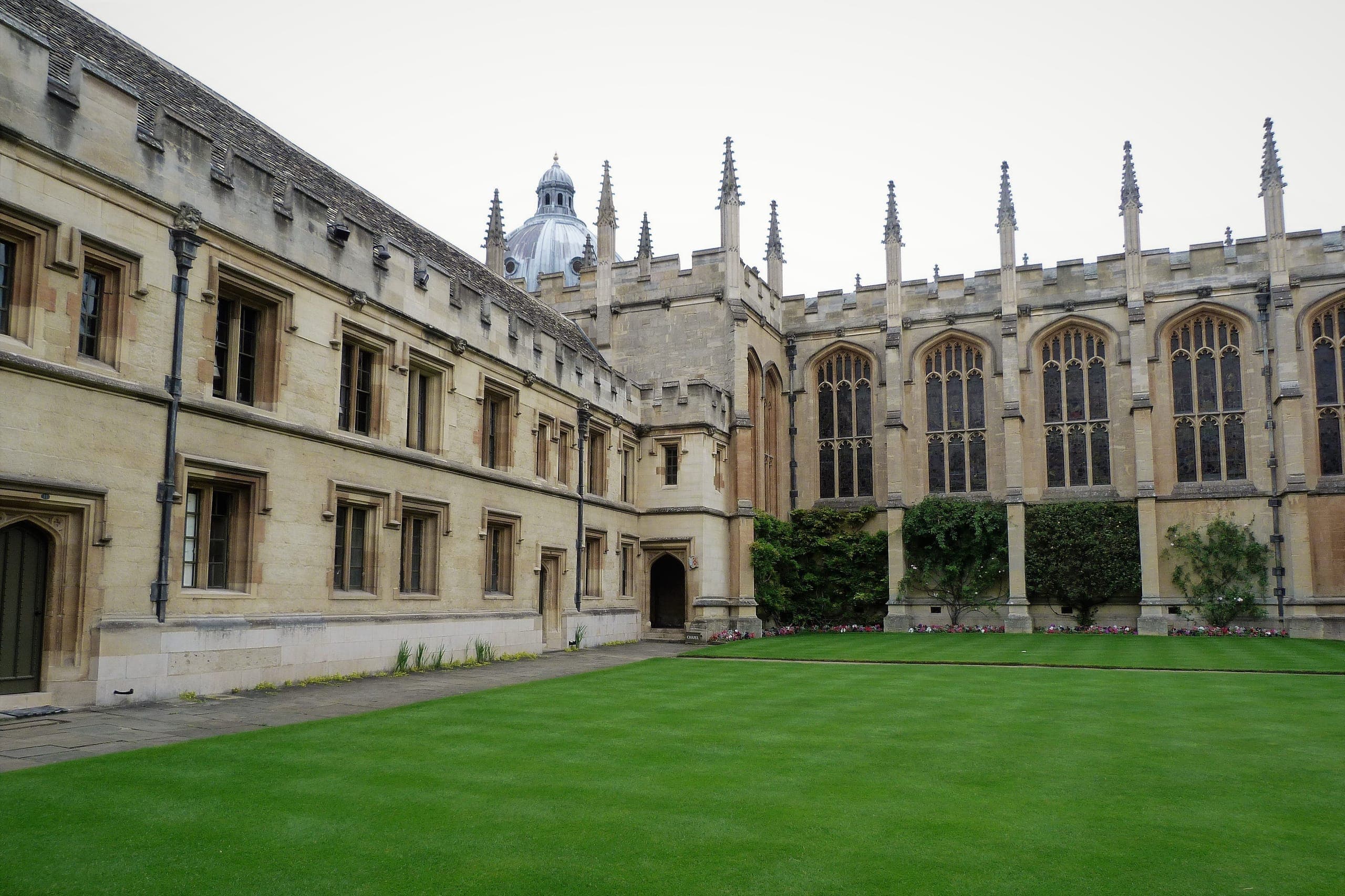
30 colleges offer this subject.
Oxfordはカレッジ制で、出願者はカレッジを指定するかオープン出願を行うことができます。
カレッジ選択は、どこで生活し、カレッジのチュートリアルを受け、社会的に属するかに影響しますが、入試の近道として扱うべきではありません。Oxfordは再配分制度を使用しており、出願者数の多いカレッジを選んでも強い出願者が不利にならないようにしています。
実際的な理由からカレッジを選び、より簡単に入れると思ってではなく選ぶことをお勧めします。
Section 12
Oxford Geographyの卒業生は環境、公共セクター、ビジネス、研究、金融、テクノロジー、教育の分野に進んでいます。
Section 13
Oxfordは文脈データを使用して、教育的・社会経済的背景の文脈で出願者の成果を理解します。英国の出願者については、学校のパフォーマンス情報、地域データ、ケア経験状況、Free School Meals履歴、Oxfordの参加拡大プログラムへの参加が含まれます。
最も不利な状況にある出願者として特定された出願者は、標準オファーを達成する可能性があり、必要なコーステスト基準を満たす場合(Geographyには筆記試験はありません)、書類選考のために強く推奨されます。チューターは個別の状況を考慮できますが、混乱や状況の軽減については適切なUCASまたは学校推薦状のルートで明確にする必要があります。
Watch & Learn
学生ブログ・模擬面接・講義体験・入試アドバイス。
Official overview of the Oxford undergraduate Geography degree from the School of Geography and the Environment.
Open-day video introducing the course and the destinations it can lead to.
Royal Geographical Society careers video showing how geography skills translate into varied careers.
A visual introduction to Earth-observation imagery and environmental change.
BBC World Service explainer on map projections and how maps shape perception.
All videos are the property of their respective creators.
Further Reading
専門講師が推薦するSupercurricular読書リスト・ウェブサイト・ツール。