

Year
01 / 04
1
Year 1
口頭・文法・翻訳作業と入門的な文学指導を含む、密度の高い1年目。

概要
Oxford Modern Languagesは4年制BAであり、公式のコースアイデンティティは「Modern Languages」です。OxfordはUCASコードを語学の組み合わせ別に個別に設定しているため、UCASコードは「コースコードを参照」と表示する必要があります。
1つの現代語または2つの語学を一緒に学ぶことができ、一部の初心者向けルートが含まれます。通常2つの初心者向け語学を学ぶことや初心者向け語学を単独で学ぶことはできず、フランス語とスペイン語では初心者向けコースは利用できません。
ほとんどのルートに24週間以上の没入型対象言語環境での海外留学が含まれますが、Beginners' RussianまたはMiddle Eastern語学を含むルートは異なる海外留学構造を使用します。公式2023〜25年コースページ平均入学者数は141名です。
なぜOxfordでModern Languagesを?
OxfordのModern Languagesコースは単一の固定語学ルートではなくコースファミリーの下に位置しています。出願者は1語学・2語学・一部の初心者向け組み合わせから選択します。私たちの見解では、この構造は語学・文学・文化が相互に強化されることを望む出願者、つまり別々のボックスに入れるのではなく、に最も向いています。
日本語で学ぶための実践ガイド
面接や出願書類では、知識の量だけでなく、考え方を筋道立てて説明する力が見られます。次の流れで、授業や読書の内容を自分の言葉に変えてみましょう。
設問の動詞を確認し、何を説明・比較・証明するのかを一文で書きます。
授業ノートや資料から、主張を支える具体例を二つ選びます。
結論、根拠、理由の順で答え、最後に問いへ戻します。

Section 01
下のマップで自国をクリックすると、出願に必要な情報(受け入れられる資格、要求スコア、英語要件、現地の文脈)が表示されます。
International Applicants
Pick a highlighted country to see the admissions-test, score, and English-language requirements that apply for applicants from that country.
Section 02
| Qualification | Typical Offer | Key Requirements |
|---|---|---|
| A-Level | AAA; applicants continuing a language are usually expected to have that language to A-level or equivalent, unless applying for a beginner's course. | A modern language required. |
| IB Diploma | 38 (including core points) with 666 at HL; applicants continuing a language are usually expected to have that language at Higher Level or equivalent, unless applying for a beginner's course. | |
| Advanced Placement (AP) | Either four APs at grade 5 (including any subjects required for the course) or three APs at grade 5 plus ACT 31+ or SAT 1460+. |
Section 03
YEAR 12
語学と文化の深みを培う
Start reading, listening and viewing beyond the school syllabus in the language(s) and culture(s) you may apply for. Oxford Modern Languages tutors look for motivation, curiosity, literary aptitude and critical engagement, not only classroom fluency.
12 MAY - SEP
UCASを準備し、コレッジ/オープン出願を選択する
UCAS 2027 entry applications open on 12 May 2026 and completed undergraduate applications can be submitted from 1 September 2026. Use this period to choose your language combination, decide whether to name a college or make an open application, draft your personal statement and secure your academic reference.
15 OCT
UCASを提出する
Submit your UCAS application by 18:00 UK time on 15 October 2026. The reference must be complete before the application can be sent.
LATE OCT - NOV
出願後の要件を確認する
For 2027 entry, Modern Languages applicants do not need to take a written admissions test and do not need to submit written work. Monitor college emails and begin setting up a quiet interview space and reliable online interview technology.
MID NOV - EARLY DEC
選考通知を待ち、準備する
Interview invitations are usually sent between mid-November and early December, and applicants may receive as little as one week's notice. Re-read your personal statement, refresh grammar fundamentals and practice discussing unfamiliar short texts aloud.
8 - 17 DEC
オンライン面接に参加する
Modern Languages first-college interviews are scheduled for 8–11 December 2026. If a second-college interview is needed, applicants are told by 14:00 on 12 December and those interviews run on 15–17 December.
12 JAN
Oxfordの合否通知を受け取る
Shortlisted candidates for 2027 entry will receive their outcome via UCAS on 12 January 2027, with colleges following up directly later that day.
AUG 2027
成績発表と入学確定
If your Oxford offer is conditional on exam results, confirmation depends on meeting the offer conditions when results are released. Check UCAS and your exam board nearer the time.
YEAR 12
語学と文化の深みを培う
Start reading, listening and viewing beyond the school syllabus in the language(s) and culture(s) you may apply for. Oxford Modern Languages tutors look for motivation, curiosity, literary aptitude and critical engagement, not only classroom fluency.
12 MAY - SEP
UCASを準備し、コレッジ/オープン出願を選択する
UCAS 2027 entry applications open on 12 May 2026 and completed undergraduate applications can be submitted from 1 September 2026. Use this period to choose your language combination, decide whether to name a college or make an open application, draft your personal statement and secure your academic reference.
15 OCT
UCASを提出する
Submit your UCAS application by 18:00 UK time on 15 October 2026. The reference must be complete before the application can be sent.
LATE OCT - NOV
出願後の要件を確認する
For 2027 entry, Modern Languages applicants do not need to take a written admissions test and do not need to submit written work. Monitor college emails and begin setting up a quiet interview space and reliable online interview technology.
MID NOV - EARLY DEC
選考通知を待ち、準備する
Interview invitations are usually sent between mid-November and early December, and applicants may receive as little as one week's notice. Re-read your personal statement, refresh grammar fundamentals and practice discussing unfamiliar short texts aloud.
8 - 17 DEC
オンライン面接に参加する
Modern Languages first-college interviews are scheduled for 8–11 December 2026. If a second-college interview is needed, applicants are told by 14:00 on 12 December and those interviews run on 15–17 December.
12 JAN
Oxfordの合否通知を受け取る
Shortlisted candidates for 2027 entry will receive their outcome via UCAS on 12 January 2027, with colleges following up directly later that day.
AUG 2027
成績発表と入学確定
If your Oxford offer is conditional on exam results, confirmation depends on meeting the offer conditions when results are released. Check UCAS and your exam board nearer the time.
Section 04

Modern Languages(University of Oxford)の2027年度入試では、出願者に書面の入試テストは課されません。出願は推薦書・成績・パーソナルステートメント・提出物・面接で評価されます。
Always verify on the official Oxford admissions tests page.
Section 05
Interview Invitation
Late Nov
Arrival to Interview
Early Dec
Technical Question
Mid Dec
Decision
Early Jan
Interview Invitation
Late Nov
Arrival to Interview
Early Dec
Technical Question
Mid Dec
Decision
Early Jan
Question Types You’ll See
面接には見慣れない短いテキスト・文法または言語分析演習・広い読書についての議論・高度な語学での対象言語の議論・文学と文化の解釈が含まれる場合があります。
重要なのは声に出して考える方法です。見慣れない短い文章を使い、解釈・不確実性・考えの変化を説明する練習をすることをお勧めします。
面接は読書の反応・語学能力または適性・関連する場合は話す能力をテストします。また、英語での明快さ・読書の幅広さ・好奇心・批判的関与・動機とコミットメントをテストします。準備は文法の復習・定期的な対象言語のリスニングまたは読書・シラバスを超えたテキストや映画の議論を組み合わせる必要があります。
Modern Languagesを含む全学科の模擬面接練習問題バンクで本番さながらの問題を練習しましょう。
無料練習問題 →
Section 06
Oxford Modern Languages の決定は、公表されたポイント計算式ではなく、全体的に行われます。2027年入学向けに筆記入試テストも筆記作品もないため、科目特有の主な証拠はオンライン面接を通じて提供され、学業記録・予測または達成成績・UCAS Personal Statement・教師推薦書・文脈情報によって補完されます。
Oxfordは2027年のModern Languagesの決定に固定の数値的重み付け公式を公表していないため、ビジュアルは公式スコアリングではなく編集上のガイダンスとして読んでください。
実際には、出願のすべての部分が役立つまたは妨げになり得ることを念頭に置いてください。省察のない強い語学能力は薄い。正確な語学作業なしの広い読書も薄い。
Our recommendation · weighting of admission factors
Oxbridge Mentors recommendation, drawn from observed offer patterns. University of Oxford does not publish official weightings - exact balance varies by college, course and year.
Section 07

強力なModern LanguagesのPersonal Statementは学術的な関心を具体的にする必要があります。「言語が好き」とだけ書かず、読んだもの・見たもの・翻訳したもの・調査したこと、そしてそれが提起した問いを示してください。
あらゆる活動をリストアップするのではなく、2〜3つの集中した例を選ぶことをお勧めします。Oxford Modern Languagesでは、翻訳の問題またはコメンタリーが特に有用です。トーン・統語論・イディオム・語域・文化的参照を具体的に議論できるためです。
ステートメントを旅行日記にしないでください。Oxfordでは、通常より深い分析が有効です。きれいに翻訳できなかった単語・複数のテキストにわたってテーマが変わった様子・難しいと感じた文化的主張など。
専門家の解説付き完全例文を見る。
Modern Languages PS例文 →Section 08
プロジェクトは努力の証拠ではなく、思考の証拠を生み出す場合に最も効果的です。Modern Languagesでは、それは通常、翻訳コメンタリー・クローズリーディング・文化比較・または使用中の言語分析を意味します。
プロジェクトの発表方法:
公式のOxfordリソースを活用し、受動的なブラウジングではなくメモ・問い・短い比較回答に変換してください。
これらの活動は出願をサポートしますが、正確な語学作業・丁寧な読書・明確な学術的議論の代替にはなりません。
コンペティションは必須ではありません。定められた課題の下で翻訳・エッセイ作成・文化分析の習慣を鍛えるのに優れています。
いずれも必須ではありません。1〜2つを丁寧に行うことが、5つを中途半端に行うより優れています。

Section 09
Year
01 / 04
1
口頭・文法・翻訳作業と入門的な文学指導を含む、密度の高い1年目。
Year
02 / 04
2
Oxford内でのさらなる語学・文学・文化学習。この学年では標準ルートの正式な試験はなし。
Year
03 / 04
3
ほとんどのルートで3年目に海外留学。通常24週間以上の没入型対象言語環境での学習。
Year
04 / 04
4
最終Oxford学年。最終大学試験へ向けた学習。
Section 10

2027年入学向けのOxford Modern Languagesには筆記作品は不要です。
Section 11
まず Oxford Modern Languages Digital Resourcesから始めてください。科目・チュートリアル・入試・面接素材のための公式Faculty(学部)リソースハブだからです。
Oxplore Modern Languagesは、教室を超えた語学・文化・より大きな問いを結びつけるプロンプトが必要なときに活用してください。New College Oxford Modern Languages Resourcesは、読書と準備の提案を含むコレッジレベルの準備ページとして役立ちます。
翻訳練習として、 Anthea Bell Prize for Young Translators は細かい読書と翻訳コメンタリーの練習になります。 Oxford Modern Languages コースページは入学要件・面接・コース構成・公式統計のためにブックマークしておくことをお勧めします。

Section 12
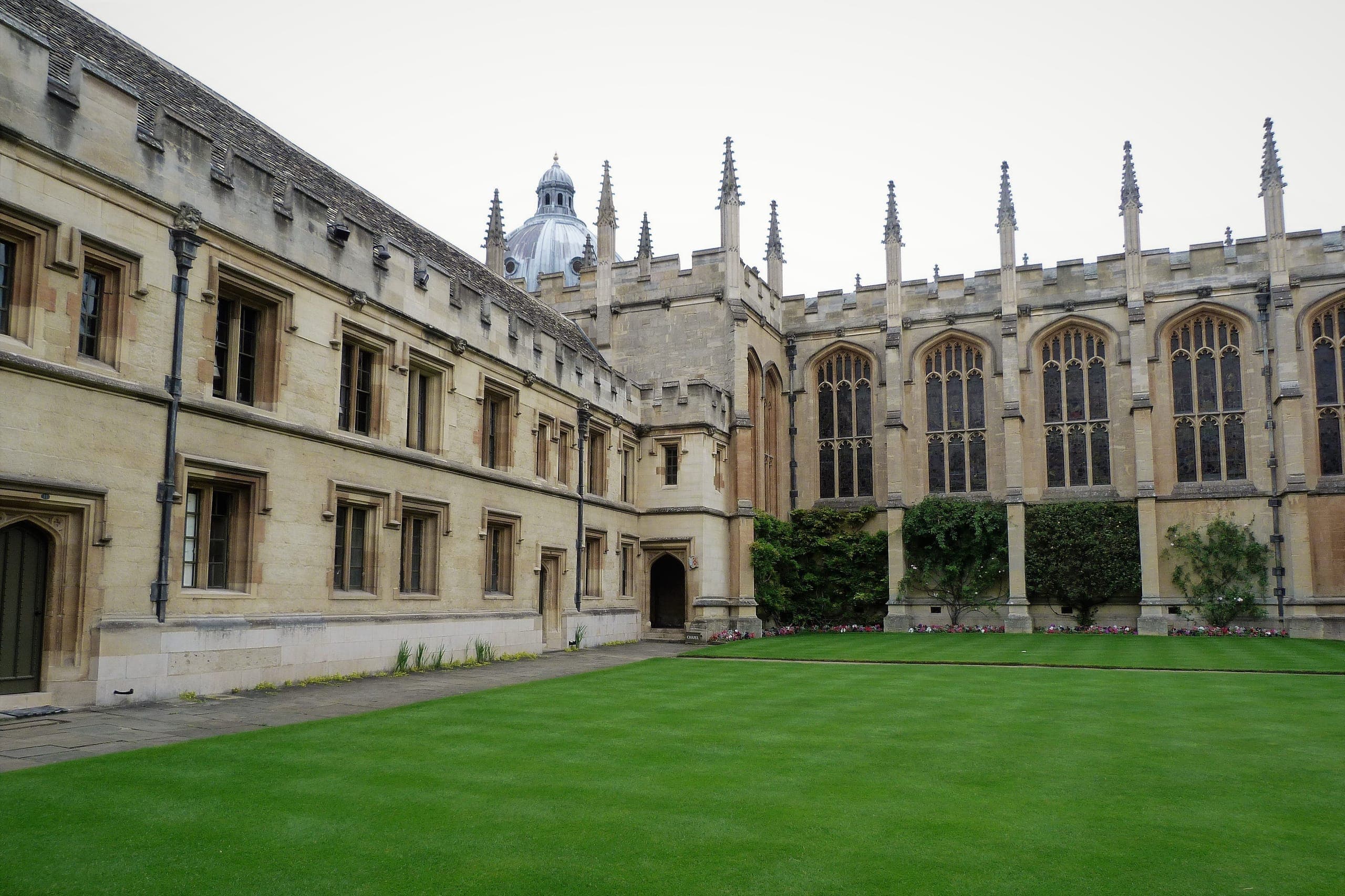
39 colleges offer this subject.
出願者はコレッジを選択するかオープン出願を行うことができ、オープン出願はそのコースの出願数が比較的少ないコレッジまたはホールに割り当てられます。
Oxfordは、各コレッジが提供するポジション数に対して同数の出願者を面接するよう、選考通過者を再配分する場合があります。合格した出願者は指定していないコレッジからオファーを受け取ることがあります。
実際的なフィットのために選ぶことをお勧めします:宿舎・立地・コミュニティ・施設・チュートリアルのチューター。
Section 13
Oxfordは、Modern Languagesを高水準の語学訓練と幅広い移転可能なスキルを持つ学位として提示しています。Facultyのキャリアページには、ジャーナリズム・経営・法律・教育と大学講師・芸術と行政・公務と外交・環境と開発分野などの進路が記載されています。Careers Serviceの資料にはコミュニケーション・ビジネス・公共サービス・慈善・語学サービス・文化セクターも含まれています。Careers ServiceのインフォグラフィクはModern Languages卒業生(共同学位の学生を含む)の修了6ヶ月後の大まかな成果を示しています:58%就業・29%大学院・6%求職中・7%就業不可。これらは大まかなインフォグラフィクの成果として読み、コース別の正確な労働市場保証としては読まないでください。
Section 14
Oxfordは、出願者の成績を可能な範囲で文脈を踏まえて考慮すると述べています。Modern LanguagesではGCSEsとIGCSEsは必須ではありませんが、取得している場合、Oxfordは過去の成績の証拠として文脈の中で使用することがあります。
GCSEsまたはIGCSEsを取得していない海外出願者は、コース選択基準と予測または達成した同等資格を使って評価されます。出願者はUCASの推薦状と関連する学校の証拠を使って、教育的混乱・科目選択の制限・病気・障害・その他の文脈的状況を説明すべきです。
継続語学オプションの場合、OxfordはA-level・Advanced Higher・IB Higher Level・または同等資格でその語学を学習していることを通常期待します。出願者の資格ルートにその語学が含まれない場合、CEFR B1が関連する場合があります。いくつかの語学には初心者向けルートがありますが、フランス語とスペイン語には提供されていません。
Watch & Learn
学生ブログ・模擬面接・講義体験・入試アドバイス。
All videos are the property of their respective creators.
Further Reading
専門講師が推薦するSupercurricular読書リスト・ウェブサイト・ツール。