

Year
01 / 04
1
Foundations in Physics and Philosophy
基礎
Year 1では、哲学・論理学の入門とともに、物理・数学の基礎ツールを構築します。物質・運動・空間・時間・知識に関する根本的な問いを物理カリキュラムと結びつけながら、物理の哲学というスレッドを早い段階から始めます。

概要
OxfordのPhysics and PhilosophyはUCASコードVF53の共同コースで、数学と物理を含む標準オファーA*AAです。3年制BAまたは4年制MPhysPhilとして提供され、Year 1から物理と哲学を組み合わせ、2027年入学にはESATが必要です。
なぜOxfordでPhysics and Philosophyを?
OxfordのPhysics and Philosophyコースは真の共同学部コースとして構築されています。学生はYear 1から物理理論と哲学的論証を一緒に学びます。公式のコース構成はYear 1から古典力学・特殊相対性理論・数学的手法・一般哲学・物理哲学入門・論理学・確率で始まります。

日本語で学ぶための実践ガイド
面接や出願書類では、知識の量だけでなく、考え方を筋道立てて説明する力が見られます。次の流れで、授業や読書の内容を自分の言葉に変えてみましょう。
設問の動詞を確認し、何を説明・比較・証明するのかを一文で書きます。
授業ノートや資料から、主張を支える具体例を二つ選びます。
結論、根拠、理由の順で答え、最後に問いへ戻します。

Section 01
下のマップで自国をクリックすると、出願に必要な情報(受け入れられる資格、要求スコア、英語要件、現地の文脈)が表示されます。
International Applicants
Pick a highlighted country to see the admissions-test, score, and English-language requirements that apply for applicants from that country.
Section 02
| Qualification | Typical Offer | Key Requirements |
|---|---|---|
| A-Level | A*AA | Physics, Mathematics required. Further Mathematics recommended. |
| Advanced Placement (AP) | Either four APs at grade 5, including any subjects required for the course you are applying to, or three APs at grade 5, including any required subjects, plus a score of 32 or above in the ACT or 1470 or above out of 1600 in the SAT. | Mathematics, Physics required. |
Section 03
MAY - AUG
出願書類を準備する
Start the UCAS form, choose Physics and Philosophy, decide whether to name a college or make an open application, develop the personal statement, and organise the academic reference.
01 JUN - 28 SEP
ESATを登録・予約する
UAT-UK account creation, access-arrangement and bursary requests open on 1 June 2026 at 3pm UK time; the ESAT booking window runs from 20 July to 28 September 2026 at 6pm UK time.
01 SEP - 15 OCT
UCASに提出する
Completed UCAS applications can be submitted from 1 September 2026. Oxford applications must be submitted by 6pm UK time on 15 October 2026.
12–16 OCT
ESATを受験する
All Physics and Philosophy applicants must take the Engineering and Science Admissions Test during the 12-16 October 2026 test window. In mainland China, Hong Kong and Macau, UAT-UK lists ESAT availability only on 12-13 October 2026.
MID NOV - EARLY DEC
選考結果を待つ
Oxford normally sends interview invitations or shortlisting outcomes from late November and into early December, depending on subject and college timing.
EARLY - MID DEC
オンライン面接に参加する
Shortlisted candidates should expect online academic interviews in early to mid-December 2026. Physics and Philosophy applicants are assessed through Physics interviews and one or more Philosophy interviews.
12 JAN
Oxfordの合否通知を受け取る
Shortlisted candidates for 2027 entry will receive the outcome of their Oxford application via UCAS on 12 January 2027, with colleges following up directly later that day.
MAY - JUN
オファーに回答する
UCAS reply deadlines vary depending on when all choices have made decisions. For 2027 entry, UCAS lists 5 May 2027 if all decisions are received by 31 March, and 2 June 2027 if all decisions are received by 12 May.
AUG
試験結果と入学確定
Conditional offer holders should expect confirmation activity around UK results in August 2027.
MAY - AUG
出願書類を準備する
Start the UCAS form, choose Physics and Philosophy, decide whether to name a college or make an open application, develop the personal statement, and organise the academic reference.
01 JUN - 28 SEP
ESATを登録・予約する
UAT-UK account creation, access-arrangement and bursary requests open on 1 June 2026 at 3pm UK time; the ESAT booking window runs from 20 July to 28 September 2026 at 6pm UK time.
01 SEP - 15 OCT
UCASに提出する
Completed UCAS applications can be submitted from 1 September 2026. Oxford applications must be submitted by 6pm UK time on 15 October 2026.
12–16 OCT
ESATを受験する
All Physics and Philosophy applicants must take the Engineering and Science Admissions Test during the 12-16 October 2026 test window. In mainland China, Hong Kong and Macau, UAT-UK lists ESAT availability only on 12-13 October 2026.
MID NOV - EARLY DEC
選考結果を待つ
Oxford normally sends interview invitations or shortlisting outcomes from late November and into early December, depending on subject and college timing.
EARLY - MID DEC
オンライン面接に参加する
Shortlisted candidates should expect online academic interviews in early to mid-December 2026. Physics and Philosophy applicants are assessed through Physics interviews and one or more Philosophy interviews.
12 JAN
Oxfordの合否通知を受け取る
Shortlisted candidates for 2027 entry will receive the outcome of their Oxford application via UCAS on 12 January 2027, with colleges following up directly later that day.
MAY - JUN
オファーに回答する
UCAS reply deadlines vary depending on when all choices have made decisions. For 2027 entry, UCAS lists 5 May 2027 if all decisions are received by 31 March, and 2 June 2027 if all decisions are received by 12 May.
AUG
試験結果と入学確定
Conditional offer holders should expect confirmation activity around UK results in August 2027.
Section 04

2027年入学のPhysics and Philosophy受験生は全員、Engineering and Science Admissions Test(ESAT)を受験する必要があります。ESATの必須モジュールはMathematics 1、Mathematics 2、Physicsです。
Oxford受験生は10月のESAT試験を受ける必要があり、テスト期間は2026年10月12〜16日です。UAT-UKアカウント作成・アクセス配慮申請・奨学金申請は2026年6月1日英国時間15時に開始し、2026年10月の試験予約締め切りは2026年9月28日英国時間18時です。
OxfordのESATに関するページでは、2026年からOxfordはUAT-UKが所有・管理する入試テストを使用すると説明しており、Oxford PhysicsはESATをPhysicsまたはPhysics and Philosophyに必須として記載しています。
国際受験生にとって、ESATはOxfordが異なる資格制度の受験生を比較するための標準化された手段を提供します。成績・面接パフォーマンス・文脈的情報と並んで、主要な比較ツールとして扱う必要があります。
テストは世界規模のネットワークのPearsonテストセンターで実施されます。中国本土・香港・マカオでは、UAT-UKはESATの受験を2026年10月12〜13日のみとしています。
ESAT完全対策ガイド | 試験形式・採点・戦略・練習リソース。
ESATガイド →Section 05
Interview Invitation
Late Nov
Arrival to Interview
Early Dec
Technical Question
Mid Dec
Decision
Early Jan
Interview Invitation
Late Nov
Arrival to Interview
Early Dec
Technical Question
Mid Dec
Decision
Early Jan
Question Types You’ll See
Physics and Philosophyの面接は、数学・物理の問題解決と哲学または共同コースの討論を組み合わせたオンライン学術面接です。
2027年入学について、OxfordはPhysics and Philosophyの面接時間や面接官の人数に関する明確な規則を中央集権的に公表していません。受験生はカレッジから送られる時間と接続の指示に従ってください。面接期間は2026年12月上旬〜中旬です。
学術的な焦点は、数学的問題解決・物理的推論・物理的直感・正確な数学的表現・独立した思考・哲学的分析・論証構築・共同コースへの動機です。実際には、磨かれた答えを暗記するのではなく、慣れない問題を声に出して説明することで準備することが効果的です。
最も有益な面接練習は、ゆっくりと明示的な推論をすることです。物理と数学の問題をホワイトボードで解き、その後、前提・結論・反論を特定しながら短い哲学的論証に切り替えることをお勧めします。
Physics and Philosophyを含む全学科の模擬面接練習問題バンクで本番さながらの問題を練習しましょう。
無料練習問題 →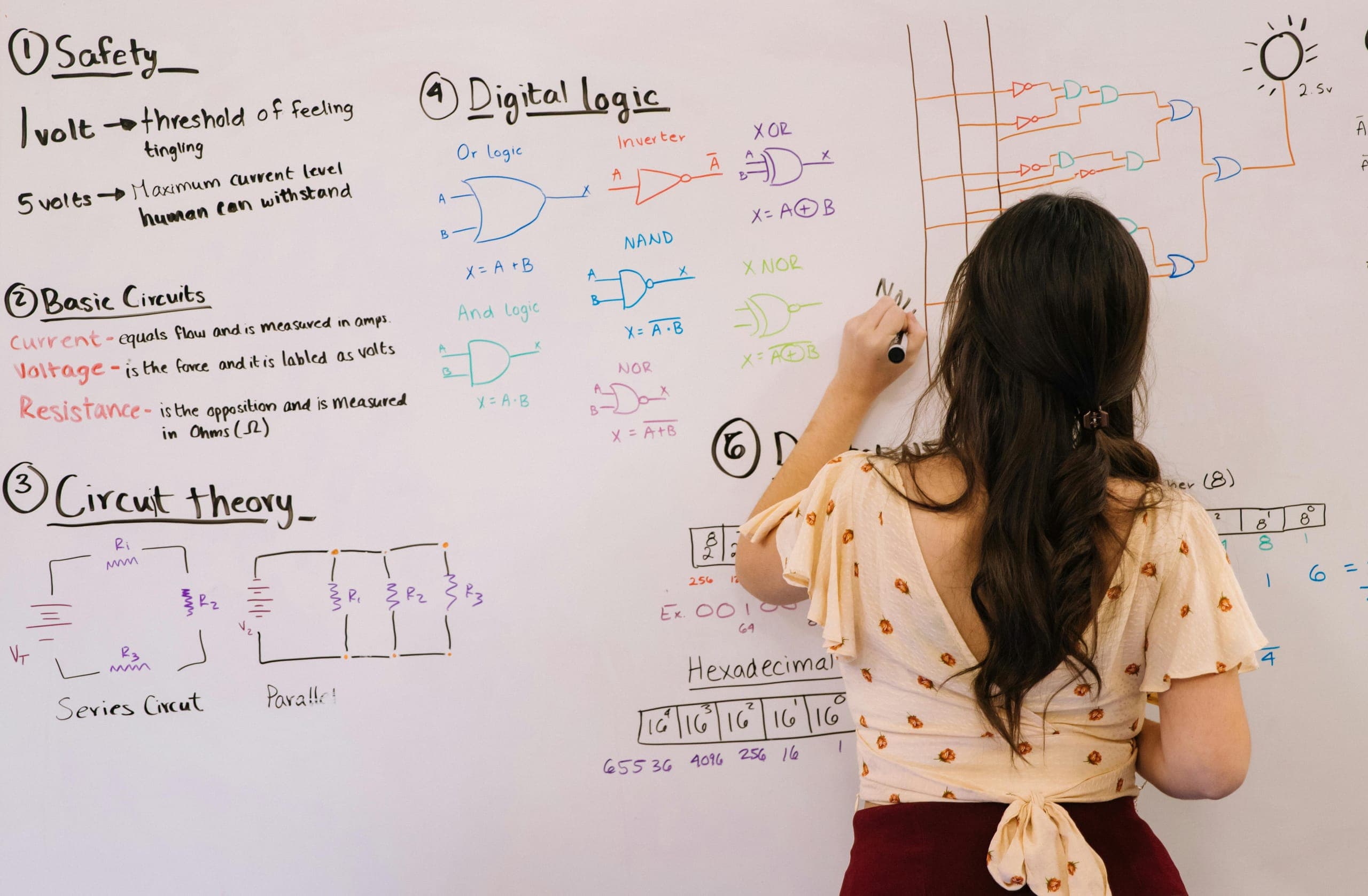
Section 06
Physics and Philosophyの合否は主に数理物理と哲学における学術的潜在力の証拠によって決まります。ESATは得点化された物理プロセスの中心であり、面接は問題解決・声に出した推論・物理的直感・哲学的論証をテストします。
最終合否はESATと面接の証拠をもとに、成績・予想成績・推薦書・Personal Statement・文脈的データ・個別事情と合わせてカレッジと学部の学術的判断により行われます。
出願のどの部分も保証にはなりません。強い出願は通常、同じ学術的主張を複数の方法で伝えます。真剣な数理物理・注意深い論証・講師が問題を変えたときでも適切に対応できる能力です。
Our recommendation · weighting of admission factors
Oxbridge Mentors recommendation, drawn from observed offer patterns. University of Oxford does not publish official weightings - exact balance varies by college, course and year.
Section 07

Physics and PhilosophyのPersonal Statementでは、共同コースが知的にどのような意味を持つかを示す必要があります。物理と哲学が真に交わる1〜2つの問題を選ぶことをお勧めします。測定・時空間・確率・因果性・科学的実在論・説明・数学モデルの地位などが考えられます。
最後に哲学の段落を1つ追加した物理のPersonal Statementを書くのは避けてください。公式コースにはYear 1から物理哲学、Year 3に必修の量子力学の哲学が含まれており、その結びつきは装飾以上のものである必要があります。
良い段落は計算・モデル・物理的なアイデアから始まり、それが提起した哲学的問いを説明するものです。量より質の振り返りが重要です。
Section 08
このコースは形式的な推論と解釈を結びつけられる受験生を評価するため、プロジェクト学習は有益です。多くの無関係な活動を集めるよりも、詳細に説明できる1つのプロジェクトを選ぶことをお勧めします。
プロジェクトの発表方法:
幅広いプロジェクトアイデアとしては、コペンハーゲン解釈・多世界解釈・デコヒーレンスに基づく解釈と2状態系を比較する量子測定プロジェクトがあります。もう1つはローレンツ変換と時空図を使った相対性と同時性のプロジェクトです。3つ目は統計力学・量子力学・ベイズ推論を比較する確率プロジェクトです。
その他のSupercurricular活動は同じ学術的ストーリーを支えるべきです。リストを膨らませるためではなく、流暢さを構築するために使ってください。
これらの活動は出願を支援するものです。強い数理物理と明確な論証の代替ではありません。
コンペティションは必須ではありません。うまく取り組むと、問題解決と証明の習慣を伸ばすことができます。
いずれも必須ではありません。1〜2つをしっかり行う方が5つを中途半端にやるよりも価値があります。

Section 09
Year
01 / 04
1
基礎
Year 1では、哲学・論理学の入門とともに、物理・数学の基礎ツールを構築します。物質・運動・空間・時間・知識に関する根本的な問いを物理カリキュラムと結びつけながら、物理の哲学というスレッドを早い段階から始めます。

Year
02 / 04
2
コアの深化
Year 2では、熱力学・電磁気学・量子物理・数学的手法・実験を通じて物理のコアを深めます。哲学では科学哲学と特殊相対性理論の哲学を学びます。
Year
03 / 04
3
分岐と発展コア
Year 3では、量子力学の哲学を必修として保ちながら、大きな選択肢が導入されます。物理のコアトピックと選択科目またはプロジェクト、そして哲学の論文オプションを選択します。
Year
04 / 04
4
高度な専門化
Year 4では、物理と哲学のリストから選択した3ユニットを通じて研究レベルの学習を行います。物理、哲学、または高度な物理哲学を含む組み合わせに特化することができます。また、MMathPhysに繋がる数理・理論物理Year 4への転換を申請できる場合もあります。
Section 10
3種類の準備を使ってください。まず公式の Oxford Physics のPhilosophyコースページ、 Oxford Physics のESATページ、 UAT-UK ESAT の準備資料を確認して、科目準備が現在のコースとテスト要件に合っていることを確かめてください。
次に、長いリストではなく小さな読書の骨格を作りましょう。 The Feynman Lectures on Physics は大学レベルの物理への概念的・数学的な橋渡しとなります。Philosophical Issues in Quantum TheoryとAbsolute and Relational Space and Motion: Classical Theoriesは量子論・力学・空間・時間を哲学的解釈と結びつけます。
第3に、積極的に練習しましょう。公式のESAT準備資料、 Oxford Physics のリソースページ、BPhOスタイルの問題解決を使って数学的流暢さを高め、物理モデルが解釈上の問いを提起する箇所について短い説明を書いてください。

Section 11
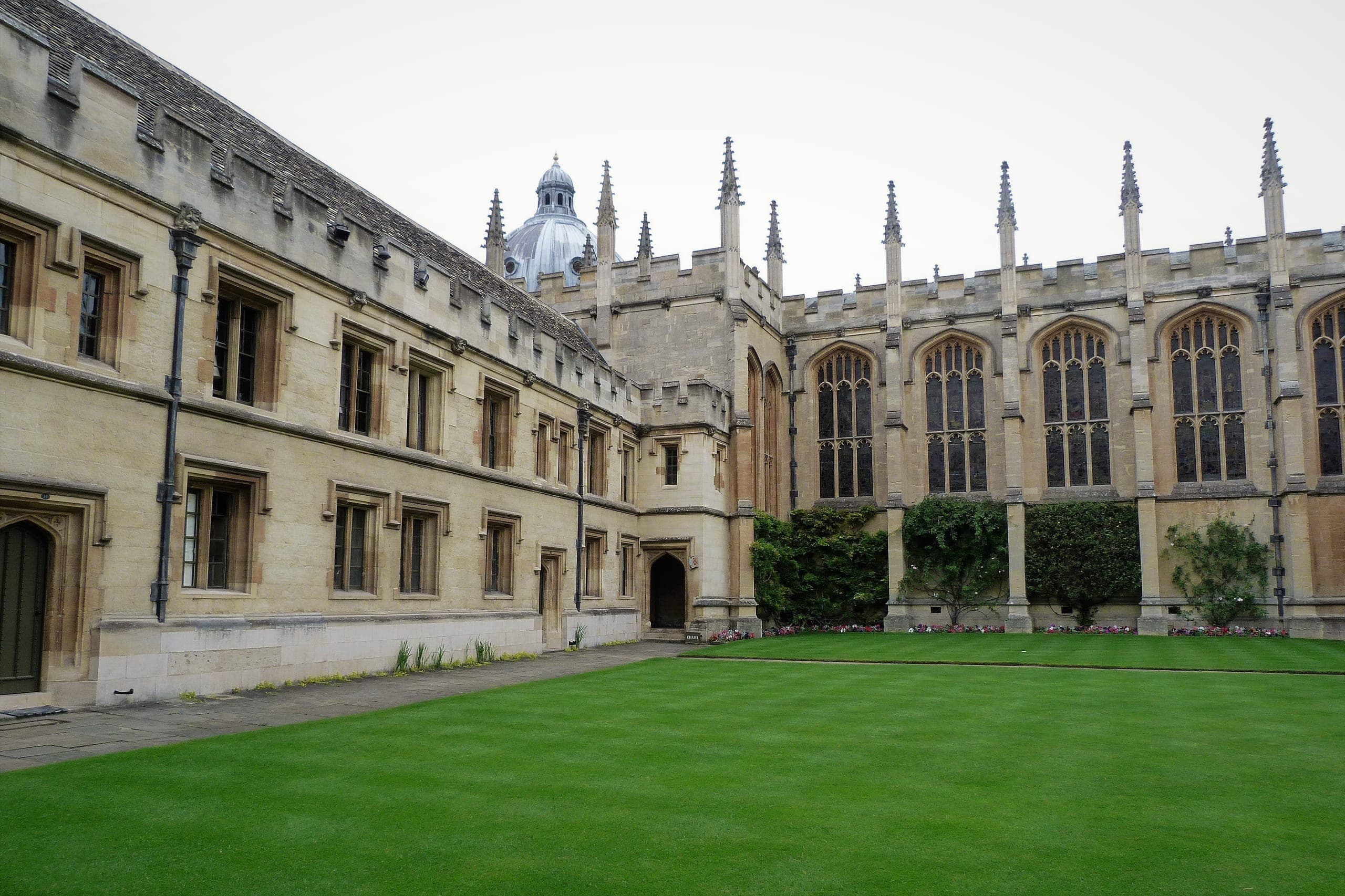
13 colleges offer this subject.
掲載カレッジは、Balliol、Brasenose、Hertford、Lady Margaret Hall、Magdalen、Merton、Oriel、Pembroke、St Catherine's、St Edmund Hall、St Hilda's、St Peter's、Worcesterです。
受験生はカレッジを指定するかオープン出願を行うことができます。オープン出願者は、その年にそのコースへの出願が比較的少ないカレッジや学寮に割り当てられます。
Oxfordはケンブリッジのウィンタープールは採用していませんが、各カレッジがそのコースの合格者数に対して同数の面接を行えるよう、選考通過者はカレッジ間で再割り当てされる場合があります。通常約3分の1の合格者が指定しなかったカレッジからオファーを受け取っています。
カレッジの選択は居住環境やチュートリアルコミュニティを形成しますが、入試を有利に進める手段として扱うべきではありません。Oxfordはすべてのカレッジが学術的に優れており、簡単に入れるカレッジはなく、直接出願とオープン出願に対して講師は差をつけていないと述べています。
Section 12
OxfordのコースページはPhysics and Philosophy卒業生について、理科の職業・研究開発・技術産業・公共部門・公務員・外交官といった進路を持つ技術的かつ論証的なスキルを持つとしています。サイドバーの棒グラフは、Physics and Philosophyについてコース固有の就職率が公表されていないため、VF53に対して表示されたDiscover Uni 2022〜23年卒業生調査の職業種別代替データを使用しています。
パーセンテージは指標的な就職プロフィールの代替データとして扱い、精密なコースレベルの進路分布ではないものとしてください。実際の入試ポイントは、この学位が定量的推論と論証の両方を訓練するという点です。
Section 13
Oxfordは、成績はそれが達成された背景を考慮して評価されると述べています。英国学部入試に関するOxfordの文脈的データ方針では、学校情報・地域情報・ケア経験・11歳以降の給食無償化・追加の進学拡大指標が考慮されます。
Physics and Philosophyでは、Further Mathematicsの提供が制限されている学校の受験生に文脈的評価が特に関連します。入学にFurther Mathematicsは役立ちますが必須ではないためです。公式コースページでは、受験生の資格が認められない場合、入試要件を満たすためにさらなる学習が必要と明記しています。
国際受験生は出願時点では、求められない限り成績証明書・資格証明書・テストスコアをOxfordに送付しないでください。Oxfordは通常、オファーをした場合にのみ証明を求めます。
Watch & Learn
学生ブログ・模擬面接・講義体験・入試アドバイス。
Official-style overview video with tutors and students discussing the undergraduate Physics and Philosophy course.
Student-focused video showing what a typical Physics and Philosophy day may look like at Oxford.
Discussion of realism, quantum mechanics and the Everett interpretation, featuring Oxford-linked philosophers and physicists.
David Tong explains quantum fields and why modern physics treats fields as more fundamental than particles.
A college-level video explaining the Physics and Philosophy interview process.
All videos are the property of their respective creators.
Further Reading
専門講師が推薦するSupercurricular読書リスト・ウェブサイト・ツール。