

Year
01 / 04
1
Year 1
数学と物理の基礎
Year 1の時間は数学と物理にほぼ均等に分けられ、講義・チュートリアル・実験実習が含まれます。
概要
Oxford Physics(UCAS F303)は3年制・4年制のルートを持つ独立したMPhys/BAコースで、すべての受験生はまず4年制MPhysに出願します。2027年入学の典型的なA-levelオファーはA*AAで、受験生はESAT Mathematics 1、Mathematics 2、Physicsを受験する必要があります。
なぜOxfordでPhysicsを?
これらのランキングは異なる方法と科目カテゴリを使用しているため、個人的な適合度の尺度ではなく比較スナップショットとして読んでください。
日本語で学ぶための実践ガイド
面接や出願書類では、知識の量だけでなく、考え方を筋道立てて説明する力が見られます。次の流れで、授業や読書の内容を自分の言葉に変えてみましょう。
設問の動詞を確認し、何を説明・比較・証明するのかを一文で書きます。
授業ノートや資料から、主張を支える具体例を二つ選びます。
結論、根拠、理由の順で答え、最後に問いへ戻します。

Section 01
下のマップで自国をクリックすると、出願に必要な情報(受け入れられる資格、要求スコア、英語要件、現地の文脈)が表示されます。
International Applicants
Pick a highlighted country to see the admissions-test, score, and English-language requirements that apply for applicants from that country.
Section 02
| Qualification | Typical Offer | Key Requirements |
|---|---|---|
| A-Level | A*AA to include Mathematics and Physics. The A* must be in Mathematics, Physics or Further Mathematics. | Physics, Mathematics required. Further Mathematics recommended. |
| IB Diploma | 39 (including core points) with 766 at HL; the 7 should be in either Physics or Mathematics. | |
| Advanced Placement (AP) | Either four APs at grade 5 (including any subjects required for the course) or three APs at grade 5 plus ACT 32+ or SAT 1470+. For Mathematics requirements, Calculus BC is recommended where available; Calculus AB is accepted if BC is unavailable. |
Section 03
01 JUN
UAT-UKアカウントを開設し、サポートを申請する
UAT-UK account creation, access-arrangement requests and bursary requests open on 1 June 2026 at 3pm UK time.
20 JUL - 28 SEP
ESATを予約する
Book during the Oxford 2027-entry booking window. Booking closes on 28 September 2026 at 6pm UK time.
01 SEP - 15 OCT
UCASに提出する
Completed UCAS applications for 2027 entry can be submitted from 1 September 2026; Oxford applications must reach UCAS by 15 October 2026 at 6pm UK time.
12 - 16 OCT
ESATを受験する
Oxford Physics applicants sit ESAT in the October window and must take Mathematics 1, Mathematics 2 and Physics.
LATE NOV / EARLY DEC
選考結果を確認する
Oxford says shortlisted applicants may receive only about a week's notice; Physics shortlisting uses ESAT as the primary criterion interpreted with contextual data.
10 - 17 DEC
オンライン物理面接に参加する
Physics first-college interviews run on 10, 11, 12 and 15 December 2026, with second-college interviews on 16 and 17 December 2026.
12 JAN
Oxfordの合否通知を受け取る
Shortlisted candidates for 2027 entry are informed via UCAS on 12 January 2027; colleges follow up directly later that day.
AUG
試験結果と入学確定
Conditional offer holders are confirmed through UCAS if they meet all conditions; if conditions are missed, the college reviews results and makes a final decision. Check the exact 2027 results-day date when it is published.
01 JUN
UAT-UKアカウントを開設し、サポートを申請する
UAT-UK account creation, access-arrangement requests and bursary requests open on 1 June 2026 at 3pm UK time.
20 JUL - 28 SEP
ESATを予約する
Book during the Oxford 2027-entry booking window. Booking closes on 28 September 2026 at 6pm UK time.
01 SEP - 15 OCT
UCASに提出する
Completed UCAS applications for 2027 entry can be submitted from 1 September 2026; Oxford applications must reach UCAS by 15 October 2026 at 6pm UK time.
12 - 16 OCT
ESATを受験する
Oxford Physics applicants sit ESAT in the October window and must take Mathematics 1, Mathematics 2 and Physics.
LATE NOV / EARLY DEC
選考結果を確認する
Oxford says shortlisted applicants may receive only about a week's notice; Physics shortlisting uses ESAT as the primary criterion interpreted with contextual data.
10 - 17 DEC
オンライン物理面接に参加する
Physics first-college interviews run on 10, 11, 12 and 15 December 2026, with second-college interviews on 16 and 17 December 2026.
12 JAN
Oxfordの合否通知を受け取る
Shortlisted candidates for 2027 entry are informed via UCAS on 12 January 2027; colleges follow up directly later that day.
AUG
試験結果と入学確定
Conditional offer holders are confirmed through UCAS if they meet all conditions; if conditions are missed, the college reviews results and makes a final decision. Check the exact 2027 results-day date when it is published.
Section 04

Oxford Physicsは2027年入学にEngineering and Science Admissions Test(ESAT)を必要とします。受験生はMathematics 1、Mathematics 2、Physicsを受験する必要があります。
Oxford PhysicsのESATテスト期間は2026年10月12〜16日です。UAT-UKアカウント作成・アクセス配慮申請・奨学金申請は2026年6月1日英国時間15時に開始し、試験予約は2026年7月20日英国夏時間15時に開始し、予約締め切りは2026年9月28日英国時間18時です。
Oxford PhysicsはESATが必須であり主要な選考基準であると述べていますが、文脈的データと合わせて解釈され、Oxfordは固定された合格点・カットオフ・重み付けを公表していません。国際受験生にとって、このテストはOxfordが異なる学校制度間で共通の学術シグナルを得る手段であり、中国本土・香港・マカオでのESAT受験は2026年10月12〜13日のみとなっています。
タイムを意識した問題解決・明確な書き推論・ミスからの迅速な回復を中心にESAT準備を構築することをお勧めします。目的はトリックを暗記することではなく、問題が求める物理原理と数学ツールを素早く認識できるようになることです。
ESAT完全対策ガイド | 試験形式・採点・戦略・練習リソース。
ESATガイド →Section 05
Interview Invitation
Late Nov
Arrival to Interview
Early Dec
Technical Question
Mid Dec
Decision
Early Jan
Interview Invitation
Late Nov
Arrival to Interview
Early Dec
Technical Question
Mid Dec
Decision
Early Jan
Question Types You’ll See
確認済みの面接形式は、オンラインの学術的・問題解決型の数学と物理の討論です。面接は物理と数学の問題解決・不慣れな状況での基本原理・数学的定式化・論理的推論・ヒントへの対応・明確な口頭説明をテストします。
会話は学校の口頭試験よりも短いチュートリアルのように感じられることが多いでしょう。力学・電磁気学・グラフ・極限の場合・多段階代数の問題が与えられ、声に出して考えるよう求められることがあります。
磨かれたスピーチを暗記するのではなく、慣れない問題で練習することをお勧めします。良い答えには多くの場合、最初の試み・修正・より明確な2回目の試みが含まれます。
Physicsを含む全学科の模擬面接練習問題バンクで本番さながらの問題を練習しましょう。
無料練習問題 →
Section 06
Oxford Physicsでは、合否を最も左右する証拠はESATと面接パフォーマンスの組み合わせですが、Oxfordは固定された公式を公表していません。予想成績・達成した学業成績・推薦書・Personal Statement・文脈的事情は支持的かつ調整的な証拠として残ります。
物理の手続きはESATを主要な選考シグナルとして特定し、ESATと面接スコアを文脈的情報で調整しながら面接後の得点化を説明しています。Oxfordはまた学業成績・予想成績・学校推薦書・Personal Statement・ESATが必要な場合の入試テスト証拠・選考通過者の面接証拠も考慮します。
ページ上の重み付けビジュアルをOxfordの公式式として読まないでください。
Our recommendation · weighting of admission factors
Oxbridge Mentors recommendation, drawn from observed offer patterns. University of Oxford does not publish official weightings - exact balance varies by college, course and year.
Section 07

OxfordはUCASのPersonal Statementと学術推薦書を出願証拠の一部として考慮します。そのため、あなたのステートメントは学術的な主張を支えるものであるべきで、業績の一覧を繰り返すものではありません。
2〜3つの物理的なアイデアを選び、自分の理解がどのように変化したかを示すことをお勧めします。書籍・講義・問題集についての段落は、追いかけた問い・重要だった方程式や概念・まだ完全には理解していないことを説明するときにより強くなります。
あらゆるSTEM受験生に当てはまりそうな主張は避けてください。「物理が大好きです」は、物理システムをどのようにモデル化し、最初のアプローチの限界を発見し、モデルをどう変えたかについての短い記述よりも役立ちません。
広範な読書を数学的推論に結びつけることが助けになります。Oxford Physicsは熱意だけでなく、数学を物理の言語として使える証拠を求めています。
専門家の解説付き完全例文を見る。
Physics PS例文 →Section 08
物理システムを定量化するプロジェクトを少なくとも1つ構築することをお勧めします。
私たちの見解では、有益なプロジェクトには高価な機材は必要ありません。問い・仮定・方法・数学・うまくいかなかったことの明確な説明が必要です。
プロジェクトの発表方法:
その他の有益なSupercurricular活動は同じコアスキル、つまり数学的流暢さ・物理的直感・明確な説明を強化するものであるべきです。
これらはサポートであり、代替ではありません。ESATと面接の準備には直接的かつ時間を意識した問題解決が引き続き必要です。
コンペティションは必須ではありませんが、解答を適切に見直せばあなたを伸ばすことができます。5つを中途半端にやるよりも1〜2つをしっかり行う方が優れています。

Section 09
Year
01 / 04
1
数学と物理の基礎
Year 1の時間は数学と物理にほぼ均等に分けられ、講義・チュートリアル・実験実習が含まれます。

Year
02 / 04
2
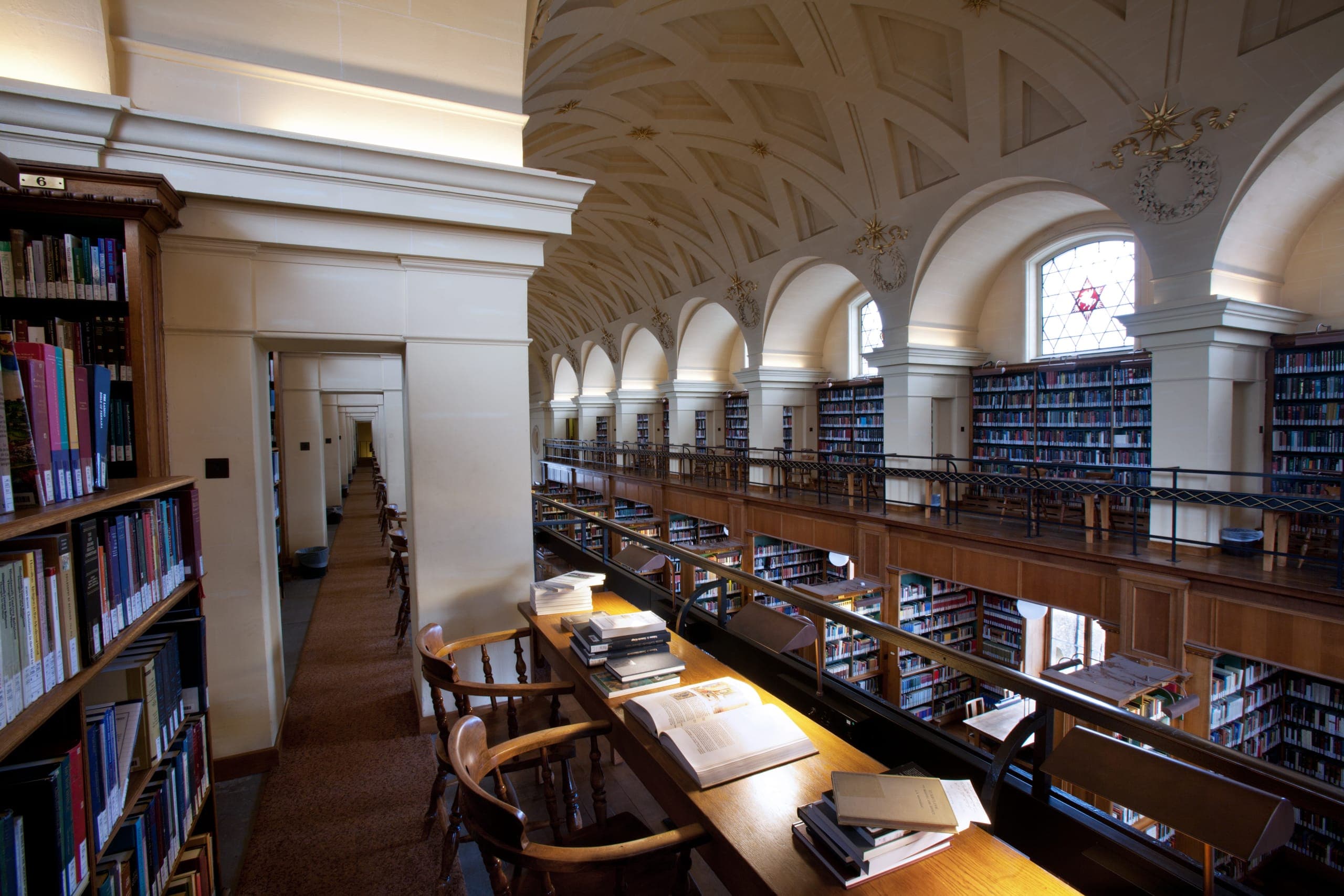
物理コアと数学的手法
Year 2では熱力学・電磁気学・量子物理・数学的手法を実験とともに学びます。
Year
03 / 04
3
発展コア物理・プロジェクト・選択科目
Year 3では高度なトピックと計算または実験プロジェクトが含まれます。BAとMPhysの評価ルートは異なります。
Year
04 / 04
4
MPhys研究専門化
Year 4は2つの主要選択科目コースとMPhysプロジェクトで構成されます。
Section 10
リソースリストをリンク集としてではなく、準備の順序として使ってください。まず要件と締め切りのためのOxfordとUAT-UKの公式ページから始め、次にESATと面接でテストされる習慣を構築するために問題練習と読書を使ってください。
Oxford Physics の準備として、仮定・変数・極限の場合・各方程式が適用される理由についてメモを取ってください。それはESATとチュートリアル形式の面接での思考において、単に最終的な答えを記録するよりはるかに役立ちます。

Section 11
39 colleges offer this subject. ~20% of applicants submit an open application. ~33% of places come through the pool.
約5分の1の受験生がオープン出願を行い、約3分の1の合格者が指定しなかったカレッジからオファーを受け取っています。
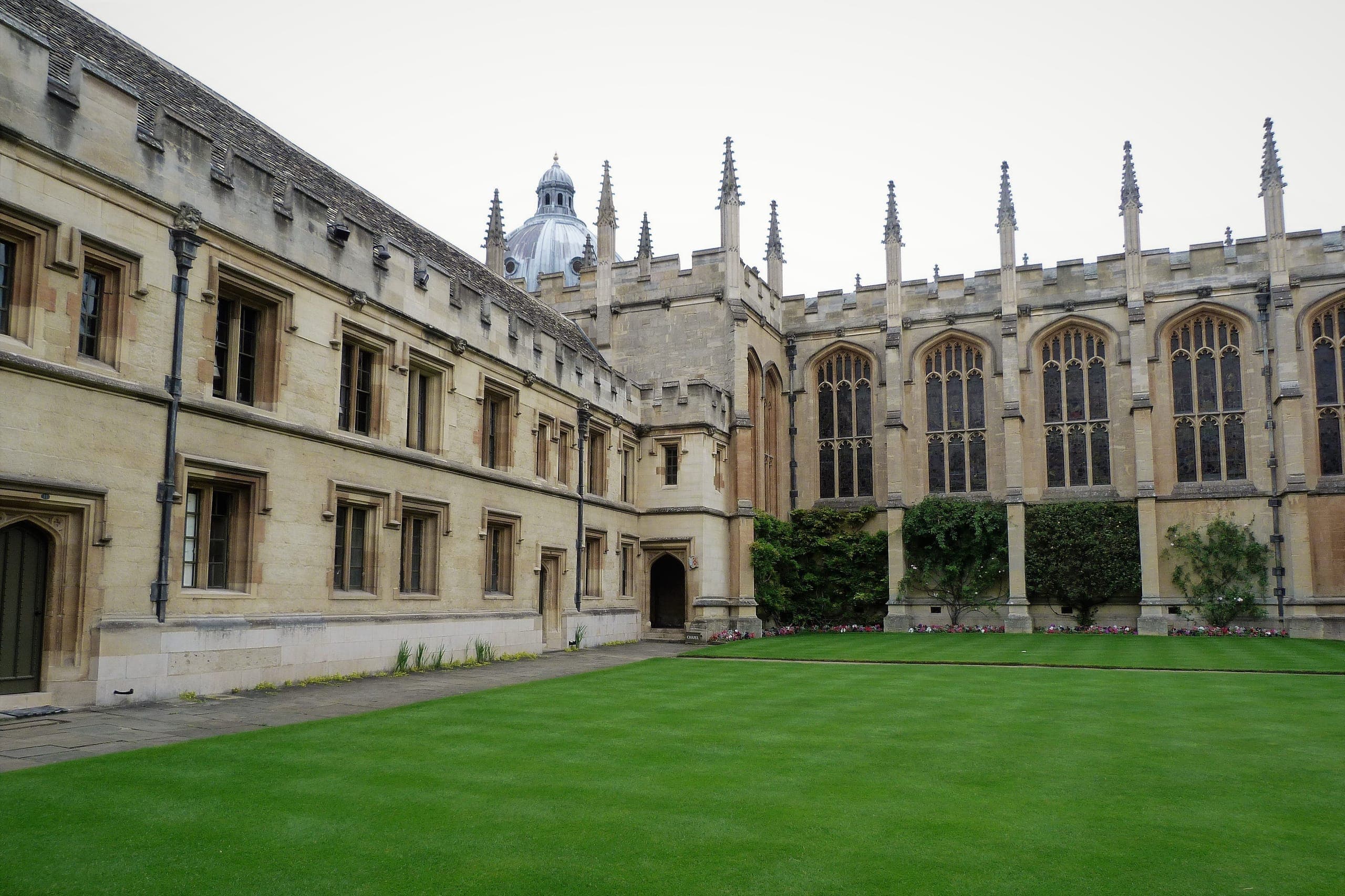
Oxfordはこのプロセスを再割り当て(reallocation)と呼び、カレッジは入試に関する共通フレームワーク(Common Framework for Admissions)の下で協力しています。カレッジの選択は居住・課外活動・チュートリアルコミュニティに影響しますが、より簡単に物理の合格を得るルートとして扱うべきではありません。
実際的な理由でカレッジを選ぶことをお勧めします。宿舎・立地・雰囲気・そこで生活することへの満足度を基準にしてください。入試オッズに関する噂を過度に考慮しないでください。
Section 12
OxfordはPhysics卒業生が上位学位・大学・産業・研究開発・技術コンサルタント・製造業・理科教育・金融・ビジネスなどの幅広い職業へ進む方向性として説明しています。
重要なのは幅広さです。物理は研究・技術職・データ集約的な業務・教育・金融・コンサルタントへと繋がることができますが、共通のスレッドは定量的推論です。
Section 13
OxfordはESATが必要な場合の入試テスト成績・面接証拠と合わせて、学業成績・予想成績・学校推薦書・Personal Statementを使って出願を評価します。Physics では数学と物理が必須で、Further Mathematicsは役立ちますが必須ではなく、力学モジュールは利用可能な場合強く推奨されます。
教育の中断・疾病・介護責任・学校レベルの不利・科目へのアクセス制限は、UCAS推薦書とOxfordの文脈的入試手続きによって証拠を示す必要があります。国際受験生は学術的な同等性と英語力の証拠を早めに確認してください。
Student visaが必要な4年制Physics受験生は、visaを申請する前にATASのタイミングを考慮してください。UCAS推薦書とOxfordの文脈的入試手続きを通じて文脈を示し、共通フレームワークの下で講師があなたの学業成績を適切に解釈できるようにすることをお勧めします。Personal Statementのテーマとして文脈を扱うのではなく、そうしてください。
Watch & Learn
学生ブログ・模擬面接・講義体験・入試アドバイス。
All videos are the property of their respective creators.
Further Reading
専門講師が推薦するSupercurricular読書リスト・ウェブサイト・ツール。