メインコンテンツへスキップ
Cambridge History of Art 面接対策

無料面接リソース

Cambridge History of Art 面接練習問題

CambridgeのHistory of Art面接に向けた無料練習問題・対策アドバイス・専門家インサイト。

1–2 interviews · academic conversation面接形式

保護者向け日本語ガイド

Cambridge History of Art | 面接(Interview)とは

Oxbridge面接とは何ですか?

Oxford・Cambridgeの面接は、暗記した知識を確認するためではなく、「どのように考えるか」を評価するためのものです。 学科の専門教員が1対1(または少人数)で、見慣れない問題を出したり、議論を深めたりします。 合否において非常に重要な位置を占めています。

面接の一般的な流れ

  • 通常2〜3回の面接(各20〜30分)が行われます
  • 学科の教授または講師が面接官を務めます
  • Personal Statementの内容について質問されることが多いです
  • 見慣れない問題を渡されて、声に出しながら考えることが求められます
  • 近年はオンライン(Zoom等)面接も増えており、日本から参加できる場合があります

このページの使い方

このページにはCambridgeHistory of Art面接でよく出る練習問題(英語)が掲載されています。 お子様がこれらの問題を使って声に出して考える練習をすることで、面接の形式に慣れることができます。 模擬面接(Mock Interview)の練習は、Oxbridge卒の専門講師と1対1で行うことを強くお勧めします。

以下は詳細な面接情報と練習問題(英語)です。お子様と一緒にご確認ください。

History of Art 面接の練習問題(サンプル)

CambridgeのHistory of Art面接で実際に問われるタイプの問題です。ヒントを見る前に、まず声に出して答えてみましょう。

01

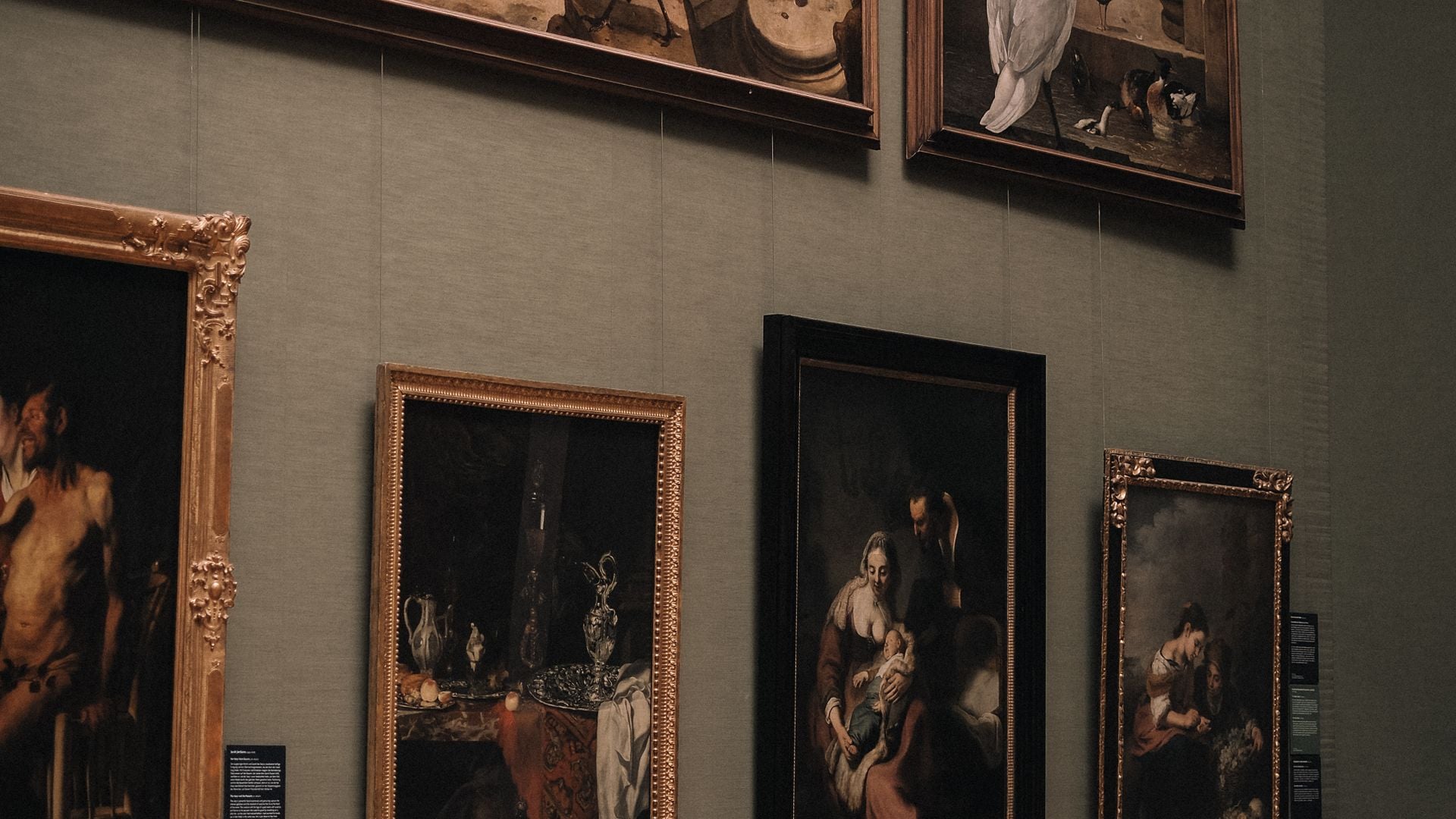
You are shown an unfamiliar painting. What do you notice first, and what might that suggest about the artist’s choices?

Close Looking & Visual Analysis

02

Look at the handling of light, scale and composition in this image. What can you infer before using contextual knowledge?

Close Looking & Visual Analysis

03

Choose one detail in this object and explain how it changes your reading of the whole work.

Close Looking & Visual Analysis

04

How does the material or surface of this object affect the way you understand its purpose?

Close Looking & Visual Analysis

05

Can a work of art be understood apart from its patron, maker or original setting?

Interpretive Discussion

Supervision-style interviews with problem-solving and academic discussion, often with two interviewers.

Cambridge interviews usually happen at your first-choice college. Most applicants have two interviews, with some subjects requiring a third at the pooled college. Cambridge interviews tend to involve two interviewers and may include a written assessment or pre-interview task sent on the day.

20-45 minutes per interview2 interviews at first-choice college, possibly 1 more if pooled
  • -Cambridge often sends a pre-reading or stimulus material 20-30 minutes before the interview. Use that time wisely.
  • -At Cambridge, you may be given a piece of paper and asked to work through a problem. Write clearly and explain as you go.
  • -The supervision system at Cambridge is about collaborative learning, so interviewers want to see if you can be "taught" during the session.

Invitation → Decision: the interview timeline

Interview Invitation

Late Nov

Arrival to Interview

Early Dec

Technical Question

Mid Dec

Decision

Early Jan

Interpretive Discussion

3 questions
01

What makes an image persuasive?

02

Is style a useful way of organising art history?

03

When can an artwork’s visual impact matter more than its documented context?

Evidence & Method

4 questions
01

What kinds of evidence would you use to move from description to interpretation?

02

How would you test a claim that an object was made for private devotion rather than public display?

03

When might material evidence challenge a written source?

04

What evidence would help you decide whether a visual similarity is influence, copying or coincidence?

Context & Counterfactuals

3 questions
01

How would your interpretation change if this object were designed for a church, a home, or a museum?

02

If the same image appeared as a print rather than a painting, what would change about its audience and meaning?

03

How might the reading of this object change if it were displayed beside works from a different period or place?

Personal Statement & Written Work

3 questions
01

You wrote about a particular artwork or exhibition in your personal statement. What did you find hardest to interpret?

02

Which object or text in your application would you now approach differently, and why?

03

Tell us about one argument in your submitted written work that you would now qualify.

Ethics, Museums & Display

4 questions
01

How should museums handle objects acquired under colonial conditions?

02

Should damaged artworks be restored to look complete, or should their damage remain visible?

03

Who should decide how a culturally significant object is displayed?

04

Should a museum label foreground uncertainty when an object’s maker, date or purpose is disputed?

8–10 weeks

Build visual vocabulary

  • Practise describing one unfamiliar image for five minutes without naming the artist or period.
  • Keep a vocabulary list for medium, composition, colour, line, scale, surface, space and display.
  • Use museum collection pages to compare objects from different periods and materials.

6 weeks

Turn description into interpretation

  • For each object, write one cautious claim and three pieces of visual evidence that support it.
  • Practise alternative readings: ask what would change if the object had a different patron, setting or audience.
  • Use visual-analysis resources to check that your language is precise rather than vague.

4 weeks

Revisit personal statement and written work

  • Create a follow-up sheet for each artwork, book, exhibition or argument mentioned in your personal statement.
  • Reread any submitted written work and mark three claims you could now refine.
  • Prepare to explain what evidence you used and what evidence would make your argument stronger.

2 weeks

Practise academic conversation

  • Do two mock interviews using unfamiliar images and discussion prompts.
  • Record one answer and check whether you move clearly from observation to interpretation.
  • Practise responding to follow-ups by qualifying or revising your first claim.

Final week

Consolidate and reduce overload

  • Review core vocabulary and your personal-statement follow-up maps.
  • Check interview logistics, including time, format, platform or travel arrangements.
  • Do short, calm practice rather than trying to memorise new material.

続きを見る

  • 全質問バンク(カテゴリ別・ヒント付き)
  • 週ごとの準備ロードマップ
  • 面接でよくある失敗とその回避法

無料リソース

Cambridge History of Art 面接 完全ガイド

メールアドレスを入力すると、全質問バンク・回答の組み立て方・週ごとの準備ロードマップ・合否を分けるよくある失敗をすべて閲覧できます。

スパムなし。いつでも配信解除できます。

本番さながらの模擬面接を受けたい?

実際にCambridgeのHistory of Artを卒業した講師と一緒に練習しましょう。

模擬面接を予約する

よくあるご質問

No. The official course page states that there is no admission assessment for History of Art.
The minimum offer level is A*AA at A level or 41–42 points in the IB with 776 at Higher Level. Some Colleges may set higher or more specific offer conditions.
No specific subject is required, and Art & Design is accepted. However, Colleges usually require A*/7 in an essay-based subject or language, and Cambridge recommends History, History of Art, English and languages for a strong application.
For 2027 entry, the official course page lists Clare, Downing, Peterhouse and Robinson as asking for two pieces of written work. Your assessing College will confirm exactly what to submit and how.
The main interview period is 7 December to 18 December 2026. Winter Pool interviews are around mid to late January 2027.
Cambridge says interviews may be online or in person depending on the College assessing the application. Applicants usually cannot choose the format.
Cambridge describes interviews as academic conversations that help assess strengths, abilities, potential and motivation for the course.
Cambridge asks applicants to tell them about extenuating circumstances from the last 2–3 years around UCAS submission, usually through the UCAS reference; additional information for October applicants should normally be submitted by 22 October 2026.
International applicants should use the course page for IB requirements and Cambridge’s international entry requirements pages for other qualifications. Some applicants may also need to provide a transcript through My Cambridge Application.

Cambridge History of Art面接の専門コーチング

Oxbridge卒の専門講師と1対1で模擬面接。History of Artに特化した実践的な準備が可能です。

無料セッションを予約する