

Year
01 / 04
1
Compulsory foundations
コア数学と哲学入門
1年次は完全必修となっており、共同学位の共通基礎を構築します。学生はコア純粋数学のメソッドとともに、哲学入門・論理学・確率論を学び、必修筆記試験により評価されます。

概要
OxfordにおけるMathematics and Philosophy(UCAS GV15)は、証明・抽象・論証を一つのコースで学びたい志願者のための3年制BAまたは選択制4年制MMathPhilです。2027年入学の場合、A-levelの標準オファーはA*A*Aであり、全志願者はTMUAを受験する必要があります。
なぜOxfordでMathematics and Philosophyを?
OxfordのMathematics and Philosophyコースが特徴的なのは、数学ユニットが単独のMathematicsから提供される一方、ほとんどの哲学ユニットはOxfordの他の哲学コースと共有されているためです。
日本語で学ぶための実践ガイド
面接や出願書類では、知識の量だけでなく、考え方を筋道立てて説明する力が見られます。次の流れで、授業や読書の内容を自分の言葉に変えてみましょう。
設問の動詞を確認し、何を説明・比較・証明するのかを一文で書きます。
授業ノートや資料から、主張を支える具体例を二つ選びます。
結論、根拠、理由の順で答え、最後に問いへ戻します。

Section 01
下のマップで自国をクリックすると、出願に必要な情報(受け入れられる資格、要求スコア、英語要件、現地の文脈)が表示されます。
International Applicants
Pick a highlighted country to see the admissions-test, score, and English-language requirements that apply for applicants from that country.
Section 02
| Qualification | Typical Offer | Key Requirements |
|---|---|---|
| A-Level | A*A*A with the A*s in Mathematics and Further Mathematics if available. If Further Mathematics is not available: either A*AAa with A* in Mathematics and a in AS-level Further Mathematics, or A*AA with A* in Mathematics. | Mathematics required. Further Mathematics recommended. |
| IB Diploma | 39 points including core points, with 766 at Higher Level; the 7 must be in Higher Level Mathematics. | |
| Advanced Placement (AP) | For courses requiring A*A*A: either four APs at grade 5 (including any required subjects), or three APs at grade 5 (including any required subjects) plus ACT 33 or above or SAT 1480 or above. Applicants for courses requiring Mathematics should take AP Calculus BC if able; Calculus AB is accepted if Calculus BC is unavailable. AP Precalculus cannot fulfil the Mathematics requirement. |
Section 03
YEAR 12
出願サイクル開始前にコースの適性を確認する
Develop fluency in mathematics and practice explaining reasoning clearly. Add philosophy reading or discussion that helps you analyse arguments rather than simply collect opinions.
12 MAY - JUN 2026
UCASとTMUAの準備を開始する
UCAS 2027 entry applications open on 12 May 2026, and TMUA account creation/access-arrangements/bursary requests open on 1 June 2026 at 3pm UK time. Use this period to confirm college choice, predicted grades, access arrangements and test-centre logistics.
20 JUL - 28 SEP 2026
TMUAを予約する
The TMUA booking window runs from 20 July to 28 September 2026, closing at 6pm UK time. Mathematics and Philosophy applicants must sit TMUA for Oxford.
12 - 16 OCT 2026
TMUAを受験する
Oxford’s UAT-UK test sitting for undergraduate admissions runs from 12 to 16 October 2026. Oxford Mathematics uses TMUA scores with the UCAS application and school-background information when shortlisting.
15 OCT 2026
UCASを提出する
Submit the UCAS application by 6pm UK time on 15 October 2026. The application must include the reference before it can be sent.
LATE NOV - EARLY DEC 2026
面接候補者への連絡を待つ
Oxford shortlisting takes place from around the end of November to early December. Applicants may have limited notice and may be interviewed by more than one college.
EARLY - MID DEC 2026
オンライン面接に参加する
Shortlisted applicants take online interviews in December. For Mathematics and Philosophy, expect tutorial-style mathematical problem solving and philosophy discussion that tests how you think and respond to new ideas.
12 JAN 2027
Oxfordの判定を受け取る
Shortlisted candidates for 2027 entry are told the outcome of their Oxford application through UCAS on 12 January 2027, with colleges following up directly later that day.
MAY - JUN 2027
オファーへの返答をする
UCAS reply deadlines depend on when all your universities have made decisions. For 2027 entry, common reply points include 5 May and 2 June, but applicants should use the deadline shown in UCAS.
YEAR 12
出願サイクル開始前にコースの適性を確認する
Develop fluency in mathematics and practice explaining reasoning clearly. Add philosophy reading or discussion that helps you analyse arguments rather than simply collect opinions.
12 MAY - JUN 2026
UCASとTMUAの準備を開始する
UCAS 2027 entry applications open on 12 May 2026, and TMUA account creation/access-arrangements/bursary requests open on 1 June 2026 at 3pm UK time. Use this period to confirm college choice, predicted grades, access arrangements and test-centre logistics.
20 JUL - 28 SEP 2026
TMUAを予約する
The TMUA booking window runs from 20 July to 28 September 2026, closing at 6pm UK time. Mathematics and Philosophy applicants must sit TMUA for Oxford.
12 - 16 OCT 2026
TMUAを受験する
Oxford’s UAT-UK test sitting for undergraduate admissions runs from 12 to 16 October 2026. Oxford Mathematics uses TMUA scores with the UCAS application and school-background information when shortlisting.
15 OCT 2026
UCASを提出する
Submit the UCAS application by 6pm UK time on 15 October 2026. The application must include the reference before it can be sent.
LATE NOV - EARLY DEC 2026
面接候補者への連絡を待つ
Oxford shortlisting takes place from around the end of November to early December. Applicants may have limited notice and may be interviewed by more than one college.
EARLY - MID DEC 2026
オンライン面接に参加する
Shortlisted applicants take online interviews in December. For Mathematics and Philosophy, expect tutorial-style mathematical problem solving and philosophy discussion that tests how you think and respond to new ideas.
12 JAN 2027
Oxfordの判定を受け取る
Shortlisted candidates for 2027 entry are told the outcome of their Oxford application through UCAS on 12 January 2027, with colleges following up directly later that day.
MAY - JUN 2027
オファーへの返答をする
UCAS reply deadlines depend on when all your universities have made decisions. For 2027 entry, common reply points include 5 May and 2 June, but applicants should use the deadline shown in UCAS.
Section 04

2027年入学において、Mathematics and Philosophyは大学入学数学テスト(TMUA)が必要です。
テストはUAT-UKがPearsonテストセンターを通じて実施します。
志願者はPaper 1「Applications of Mathematical Knowledge」およびPaper 2「Mathematical Reasoning」を受験します。
これは重要なサイクル変更です。Oxford Mathematics and PhilosophyはMATからTMUAへ2027年入学より移行しました。
海外からの志願者は、国際Pearsonテストセンターを含む同じUAT-UK/Pearsonの10月テスト期間に受験します。
TMUAを準備の中心と捉えつつも、公表された合否基準として扱わないでください。Oxford Mathematicsはテストを他の情報とともに評価します。
TMUA完全対策ガイド | 試験形式・採点・戦略・練習リソース。
TMUAガイド →Section 05
Interview Invitation
Late Nov
Arrival to Interview
Early Dec
Technical Question
Mid Dec
Decision
Early Jan
Interview Invitation
Late Nov
Arrival to Interview
Early Dec
Technical Question
Mid Dec
Decision
Early Jan
Question Types You’ll See
面接候補者は、12月にオンラインの学術的討論と問題解決型面接を受けることが予想されます。
数学側では、見たことのない問題解決・明確な説明・ヒントへの対応がテストされる可能性があります。
哲学側では、抽象的な問いの批判的な取り扱い・見解の論理的な擁護・チュートリアル形式の授業への準備がテストされる可能性があります。
すぐに解けない問題で練習しましょう。重要な習慣は、定義を言語化し、仮定を確認し、チューターからヒントが与えられたときに解法を更新することです。
哲学の場合は、見解を前提と結論のある論証に変える練習をしましょう。各読書セッションの後に、一つの反論と一つの可能な返答を書くと役立ちます。
Mathematics and Philosophyを含む全学科の模擬面接練習問題バンクで本番さながらの問題を練習しましょう。
無料練習問題 →
Section 06
チューターは単一のスコアではなく、出願全体を考慮します。Mathematics and Philosophyの場合、TMUAと面接のパフォーマンスが、事前の学業成績・予想成績・UCAS推薦状・Personal Statementとともに、検証された監査で特定された最もコース固有の証拠です。
文脈的情報と特別な状況は、公平に成績を解釈するために使用されます。Oxford Mathematicsも学校背景情報を候補者選考に使用しています。
Our recommendation · weighting of admission factors
Oxbridge Mentors recommendation, drawn from observed offer patterns. University of Oxford does not publish official weightings - exact balance varies by college, course and year.
Section 07

Mathematics and Philosophyの優れたPersonal Statementは、2つの独立したミニステートメントのように読めてはなりません。証明・無限・論理・確率・説明・逆説、または数学的対象の性質など、1つまたは2つの結びつける考えを使用してください。
このコースでは、証明の記述と数学の哲学の読書を組み合わせることができます。修正した証明・定義・基礎論の問いについての段落は、TMUAと面接問題が試す同じ習慣、すなわち精密な推論・説明・アプローチを見直す意欲を示すことができます。
考えの変化を示さずに本を羅列することは避けてください。論証の最初の解釈を否定した理由を説明する一文は、通常、別のタイトルを挙げるよりも効果的です。
数学を単なる業績ではなく、方法を示すために使用してください。難しい証明へのアプローチの仕方、間違ったスタートを修正した方法、または論証をより明確にした方法についての短い議論は、面接スタイルに直接関連します。
UCASのPersonal Statementと学術的な推薦状は、出願において考慮される証拠の一部です。
Section 08
プロジェクトはこのコースに最適です。なぜなら、証明・説明・論証を結びつけることを強制するからです。「数学と哲学」についての広範な概説を書くのではなく、一つの狭い問題を選んで真剣に取り組んでください。
良いプロジェクトは、質問の下で議論できるものを残すべきです。最良の証拠は多くの場合、思考の発展を示す書面による解決策・短いエッセイ・修正されたノートです。
プロジェクトの提示方法:
証明ポートフォリオでは、3つの数学的結果にわたって直接証明・矛盾による証明・帰納法・構成法を比較することができます。
無限・逆説・基礎論プロジェクトでは、カントールの対角線論法・ヒルベルトのホテル・ラッセル型の逆説・ゲーデルの不完全性定理を検討することができます。
数学の哲学のケーススタディでは、自然数・集合・極限・虚数・帰納法などの具体的な例を通じて、プラトン主義・形式主義・論理主義・構造主義を比較することができます。
その他の教科関連の発展的学習(Supercurricular)は、Oxfordがテストできる習慣を構築すべきです。証明・精密さ・論証・そして推論を声に出して説明する能力。
これらの活動は出願を支援するものであり、強力な数学的準備の代替にはなりません。
コンペティションは必須ではありません。推論を伸ばし、後で分析できる問題を残してくれる場合に役立ちます。
いずれも必須ではありません。1〜2つをしっかりと取り組む方が、5つを中途半端にやるより優れています。

Section 09
Year
01 / 04
1
コア数学と哲学入門
1年次は完全必修となっており、共同学位の共通基礎を構築します。学生はコア純粋数学のメソッドとともに、哲学入門・論理学・確率論を学び、必修筆記試験により評価されます。
Year
02 / 04
2
コア純粋数学と選択科目の導入
Oxfordの公式コースページでは2年次と3年次をまとめて掲載していますが、このカードでは2年次のPart A評価ポイントを分けています。コア純粋数学を継続しながら選択科目を取り始め、論理学・集合論・数学の哲学の共同コース橋渡し科目が学際的なプロフィールを形成し始めます。
Year
03 / 04
3
高度な共同コース学習
3年次は数学オプションと哲学論文のあいだの分岐を深めながら、数学の哲学と基礎論を通じたコースの橋渡しを維持します。BA学生の最終年であり、選択的な4年次MMathPhilルートへ継続するかどうかの判断ポイントでもあります。
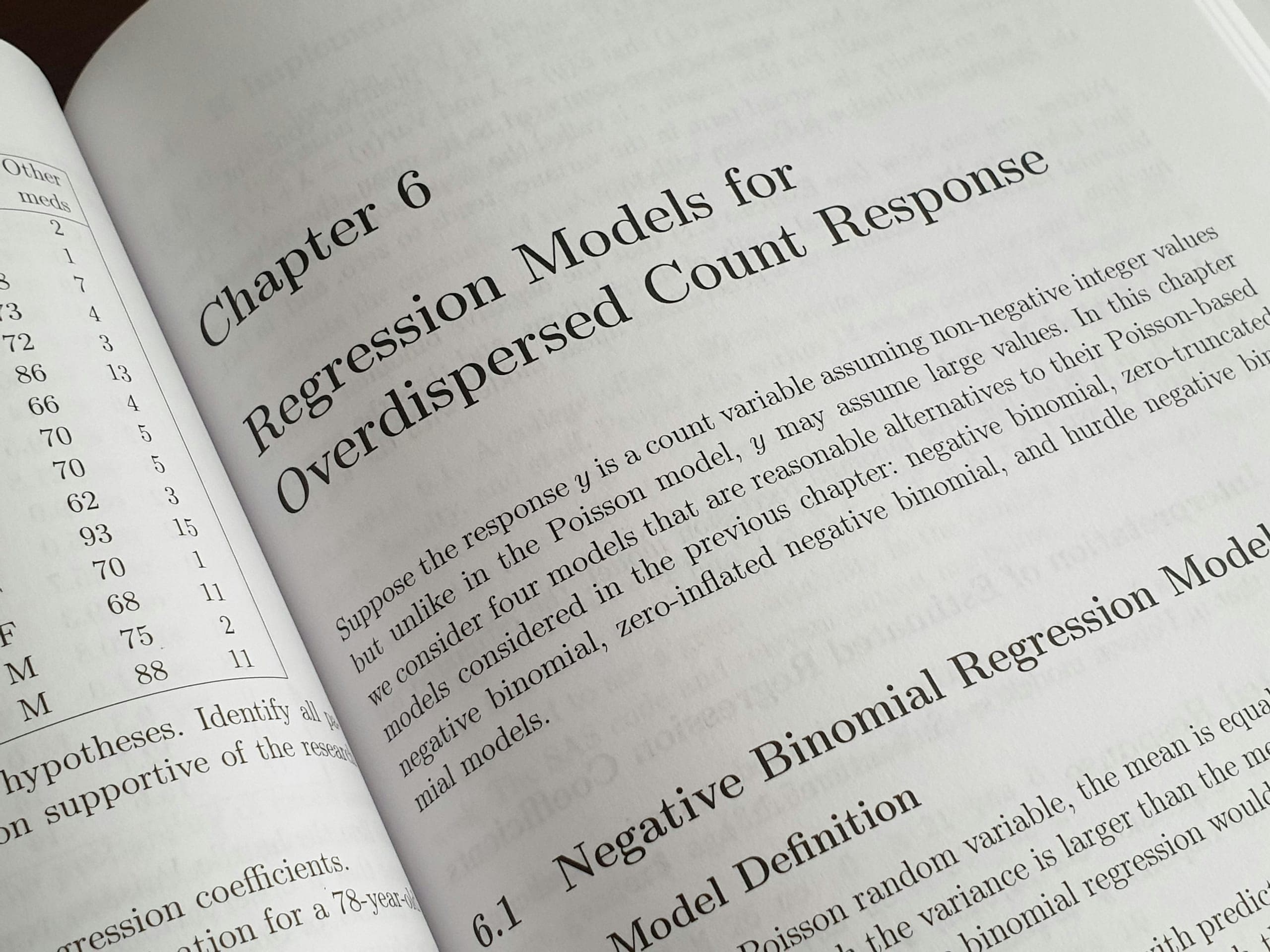
Year
04 / 04
4
高度な選択科目、論文・テーゼの可能性
4年次には必修科目がなく、数学のみ、哲学のみ、またはその両方の組み合わせで学ぶことができます。学生は高度な選択科目を選び、許可される場合は数学論文または哲学テーゼを含めることができます。
Section 10
数学的思考から始めましょう。「What Is Mathematics?」は学校での手続きから厳密な数学的思考への移行に役立ち、「A Concise Introduction to Pure Mathematics」は証明・集合・数体系・抽象化への明確な経路を提供します。
哲学の側面については、「Thinking about Mathematics」が数学の哲学における中心的な立場を紹介し、「Logic」が数学的思考を持つ志願者のための形式的推論を構築します。
直感のためにビデオを活用しましょう。ただし、筆記作業の代替としてではなく。 3Blue1Brown 微積分・線形代数・抽象的なアイデアに役立ちます。 Numberphile アクセスしやすい問題主導の探求を促進できます。 Oxford Mathematics Oxfordの数学者による公開講義と学生向け講義を提供します。Wireless Philosophyは論証・反論・概念分析を紹介し、Carneades.orgは深読みの前に哲学の語彙を身につけるために選択的に使用できます。
ポッドキャストは、アイデアがどのように会話の中で論じられるかを聞くために最適に使用されます。 Philosophy Bites 哲学者との短いインタビューを提供します。 The Joy of Why 数学と説明を結びつけます。そして Numberphile Podcastは数学的に興味深い思想家との長い会話を提供します。
体系的な学習のために、「Introduction to Mathematical Thinking」は学生を証明指向の推論へと移行させるよう設計されており、「Logic I」と「Paradox and Infinity」はコースの形式的・哲学的側面を構築します。

Section 11
39 colleges offer this subject. 13.1% of applicants submit an open application. ~25% of places come through the pool.
Oxford志願者はコレッジを指定するか、オープン出願することができます。Oxfordの2024/25年度Mathematical Instituteフィードバックレポートは、MathematicsおよびJoint-school出願のうちオープン出願が13.1%であったことを示しています。
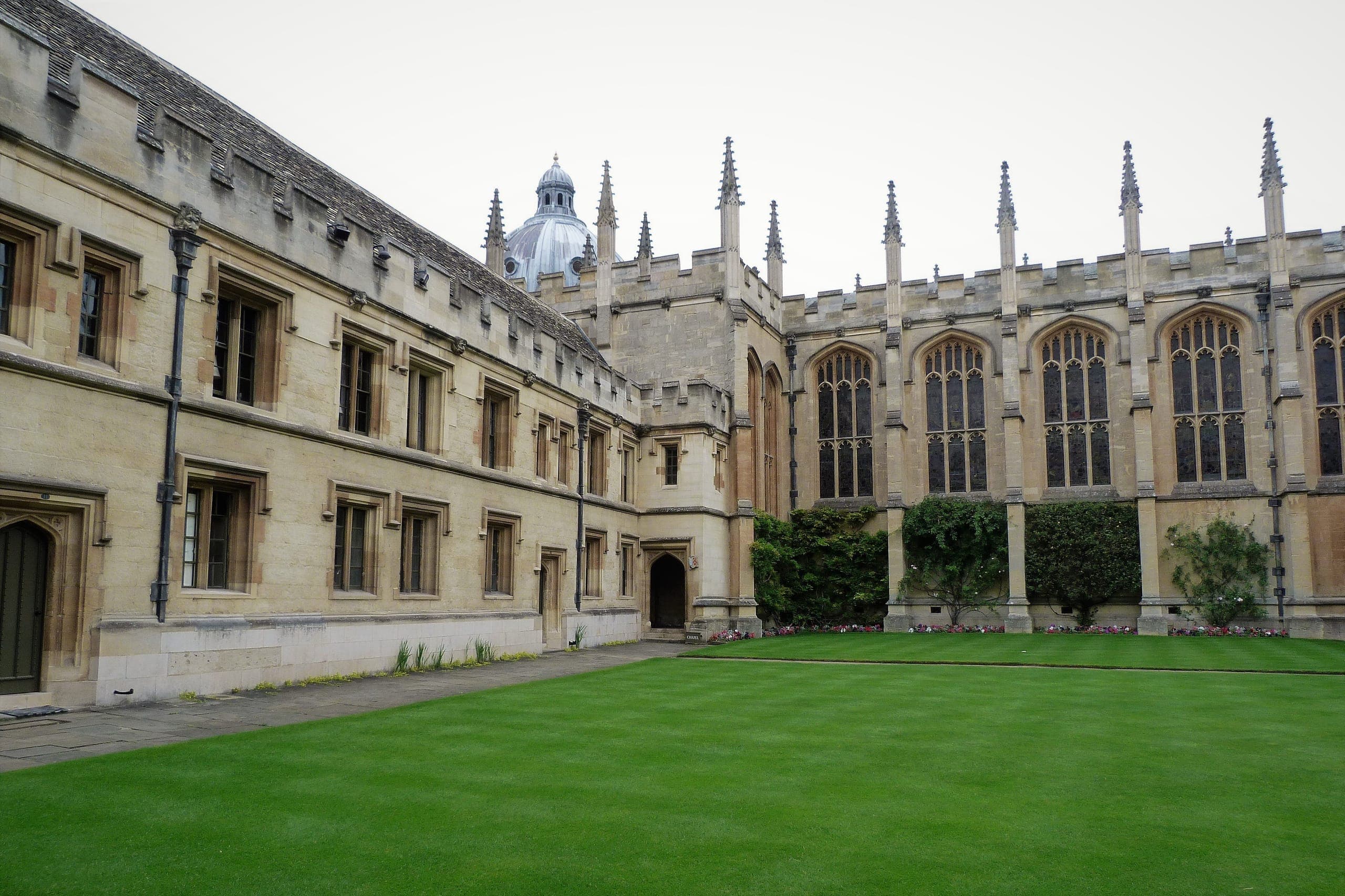
コレッジの選択は主に、居住環境とコレッジでの授業を受ける場所に影響します。Oxfordのコレッジはこのコースに特化しているわけではなく、志願者はコースを提供しており、場所・宿泊・コミュニティ・施設の好みに合うコレッジを選ぶべきです。
コレッジの選択を単純な入試戦略として扱わないでください。Oxfordの2024/25年度Mathematical Instituteフィードバックレポートでは、オファーの約25%がオープンオファーであるか、志願者の第一志望コレッジ以外のコレッジによるオファーであったと記録されています。
Section 12
GV15コホートの小規模さにより、公表されたコース固有の成果は限られています。以下の数字は、GV15コホートが単独で公表するには小さすぎるため、このコースと他のOxford Mathematicsコースの学生のDiscover Uni Graduate Outcomes データです。
検証された監査により、ビジネス・研究・管理専門職とIT専門職が主導する定量的キャリアプロフィールが示されています。Oxfordの独自コースページでも、ソフトウェア開発・教育・研究・公共部門(公務員・外交官を含む)・ジャーナリズムを挙げています。
Oxfordのコースページには、卒業生の約30%がさらなる学術研究に進むとも記載されています。これは、独立して裏付けられた成果表ではなく、単一ソースのコースページ案内として扱ってください。
Section 13
Oxfordは文脈データを使用して、チューターが教育的・社会経済的背景の中で学業成績を理解できるよう支援しています。
このコースでは、科目へのアクセスが重要です。学校でFurther Mathematicsや高度な充実教育が提供されていなかった場合、その文脈を学術的な推薦状で明確に説明してください。
Mathematicsの入試フィードバックレポートは、候補者の選考がテストスコア・UCAS出願・文脈情報に基づいて行われることを確認しています。
海外からの志願者は、チューターが地元の学校の制限を知っていると思わず、標準的な出願経路や推薦者の文脈を通じて資格の制約や科目の利用可能性の問題を説明するべきです。
Watch & Learn
学生ブログ・模擬面接・講義体験・入試アドバイス。
A visual introduction to the central idea of calculus and rates of change.
A conceptual introduction to vectors and linear algebraic thinking.
An Oxford student lecture that gives a taste of university-level mathematical exposition.
A concise example of philosophical analysis around identity and persistence.
A probability paradox that opens discussion about modelling assumptions and mathematical interpretation.
All videos are the property of their respective creators.
Further Reading
専門講師が推薦するSupercurricular読書リスト・ウェブサイト・ツール。